The Changing Face of Entrepreneurship: Redefining Success in the Workplace
Entrepreneurship is evolving beyond financial success, embracing social responsibility, work-life balance, and sustainability. Businesses are now valued for their ethical practices, community impact, and employee well-being. This shift fosters collaboration and inclusivity, challenging traditional norms and paving the way for future leaders to create meaningful change.

Aging Population: Trends in Health and Senior Support
The article discusses the implications of an aging population in the U.S., emphasizing the growing healthcare needs, caregiver demands, and the role of technology. It advocates for community support, financial planning, and proactive measures to empower seniors, ensuring they lead fulfilling lives while fostering an inclusive society.

The Gig Economy: Navigating the New Freelance Work Landscape
The article explores the transformative gig economy, highlighting its benefits such as flexibility, financial independence, and diverse opportunities. It emphasizes the importance of personal branding, effective networking, and financial literacy for freelancers. Embracing these elements enables individuals to thrive in this evolving work landscape and align their careers with personal values.
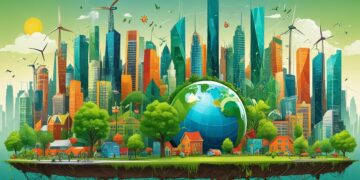
Sustainability in Urban Development: Trends Shaping Green Cities
As cities evolve, the push for sustainability arises from the need for innovative urban solutions. Trends such as smart mobility, green architecture, renewable energy, and community engagement are vital in shaping eco-friendly urban environments, fostering a culture of responsibility and environmental care for future generations.

Gen Z’s Influence on Consumer Behavior: The Shift Toward Ethical Brands
Generation Z is reshaping consumer behavior by prioritizing ethical brands and sustainability. Their commitment to social issues and authentic engagement drives brands to adopt transparent practices. Emphasizing purpose-driven purchasing, Gen Z influences a shift towards conscious consumerism, encouraging companies to align with their values for lasting loyalty and impact.

The Role of Arts and Culture in Job Creation and Economic Resilience
Arts and culture are essential for community development, driving job creation and economic resilience. They generate diverse employment opportunities, foster social cohesion, and promote innovation. By supporting local initiatives, communities can enhance tourism, strengthen social bonds, and ensure a vibrant cultural landscape that benefits everyone.
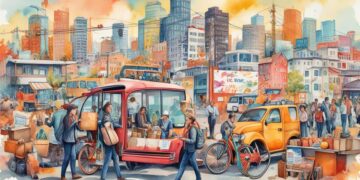
The Gig Economy: Redefining Work and Identity in Modern America
The gig economy is reshaping modern work by prioritizing flexibility and autonomy, allowing individuals to tailor careers to their lifestyles. While it offers opportunities for creativity and personal growth, workers must navigate challenges like inconsistent income and lack of benefits, fostering a new sense of identity in their professional lives.

The Cultural Significance of Secondary Jobs in American Economic Life
The rise of secondary jobs in the U.S. highlights a cultural shift toward financial empowerment and personal fulfillment. These roles foster community, skill development, and resilience, allowing individuals to redefine success and integrate passions into their work, ultimately shaping a more interconnected society focused on creativity and purpose.

The Role of Environmental Policies in the Industrial Competitiveness of the USA.
The article explores how U.S. environmental policies impact industrial competitiveness by balancing compliance costs with innovation incentives. It highlights how sectors like automotive, energy, and construction adapt through sustainable practices, leveraging incentives to enhance global competitiveness while aligning with emerging sustainability demands.

The Economy of Smart Cities: How the USA is Preparing Urban Infrastructure for the Future.
The article explores how the U.S. is advancing urban infrastructure by developing smart cities, highlighting the integration of technologies like AI, IoT, and fintech innovations. It discusses economic opportunities, the role of public-private partnerships, and strategic urban planning to foster sustainable, tech-driven growth in urban centers.