Menu

The Cultural Significance of Secondary Jobs in American Economic Life

The rise of secondary jobs in the U.S. highlights a cultural shift toward financial empowerment and personal fulfillment. These roles foster community, skill development, and resilience, allowing individuals to redefine success and integrate passions into their work, ultimately shaping a more interconnected society focused on creativity and purpose.

The Gig Economy: Redefining Work and Identity in Modern America

The gig economy is reshaping modern work by prioritizing flexibility and autonomy, allowing individuals to tailor careers to their lifestyles. While it offers opportunities for creativity and personal growth, workers must navigate challenges like inconsistent income and lack of benefits, fostering a new sense of identity in their professional lives.

The Role of Environmental Policies in the Industrial Competitiveness of the USA.

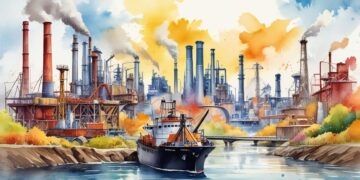
The article explores how U.S. environmental policies impact industrial competitiveness by balancing compliance costs with innovation incentives. It highlights how sectors like automotive, energy, and construction adapt through sustainable practices, leveraging incentives to enhance global competitiveness while aligning with emerging sustainability demands.

The Economy of Smart Cities: How the USA is Preparing Urban Infrastructure for the Future.

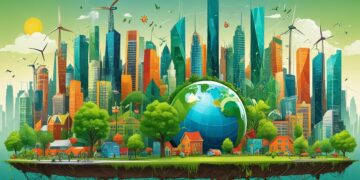
The article explores how the U.S. is advancing urban infrastructure by developing smart cities, highlighting the integration of technologies like AI, IoT, and fintech innovations. It discusses economic opportunities, the role of public-private partnerships, and strategic urban planning to foster sustainable, tech-driven growth in urban centers.

Reverse globalization: how the return of industries to the USA is impacting the local economy.

The article examines the trend of reverse globalization, where industries are returning to the U.S., impacting the economy by boosting domestic manufacturing, job creation, and infrastructure investment. Driven by factors like rising overseas labor costs and advanced automation, this shift presents both opportunities and challenges for sustainable economic growth.

Decarbonizing the American Economy: Strategies and Challenges.

The article explores the imperative transition of the American economy to a low-carbon model, emphasizing renewable energy investments, energy efficiency, and carbon pricing. While offering economic growth opportunities, the shift presents challenges like upfront costs and regulatory hurdles, demanding innovation and coordinated policy support for sustainable progress.

Impact of Protectionism on U.S. Supply Chains.

The article explores how U.S. protectionist policies impact supply chains, highlighting increased tariffs, production localization, and trade agreement shifts. While these measures protect domestic industries, they raise consumer prices and disrupt global competitiveness, necessitating strategic trade partnerships and infrastructure investments for resilient and efficient supply chains.

Changes in Consumption Habits in the USA in Times of Economic Uncertainty.

The article discusses how economic uncertainty in the USA influences consumer behavior, leading to prioritized spending on essentials, increased preference for budget-friendly and generic brands, and a rise in e-commerce and secondhand markets. These shifts highlight consumers' adaptability and affect retail and economic strategies.

The Economic Impact of Rehabilitating Aging Infrastructure in the USA: Challenges and Opportunities.

The article discusses the urgent need to rehabilitate aging infrastructure in the U.S., highlighting economic risks of inaction and opportunities for growth. It explores challenges like high costs and funding gaps, and emphasizes the potential benefits of innovative technologies and public-private partnerships in transforming infrastructure and boosting the economy.

The Economic Impact of the Rise of Remote Work in the USA: Effects on the Real Estate Market.

Remote work is reshaping the U.S. economic and real estate landscapes. As workers move from urban centers to more affordable suburbs, housing demand and prices rise outside cities. Meanwhile, commercial spaces adapt to reduced office needs, highlighting opportunities in flexible workspaces and green developments.