The Revolution of Credit Cards with Contactless Payment Technologies

Understanding Contactless Payment Technologies
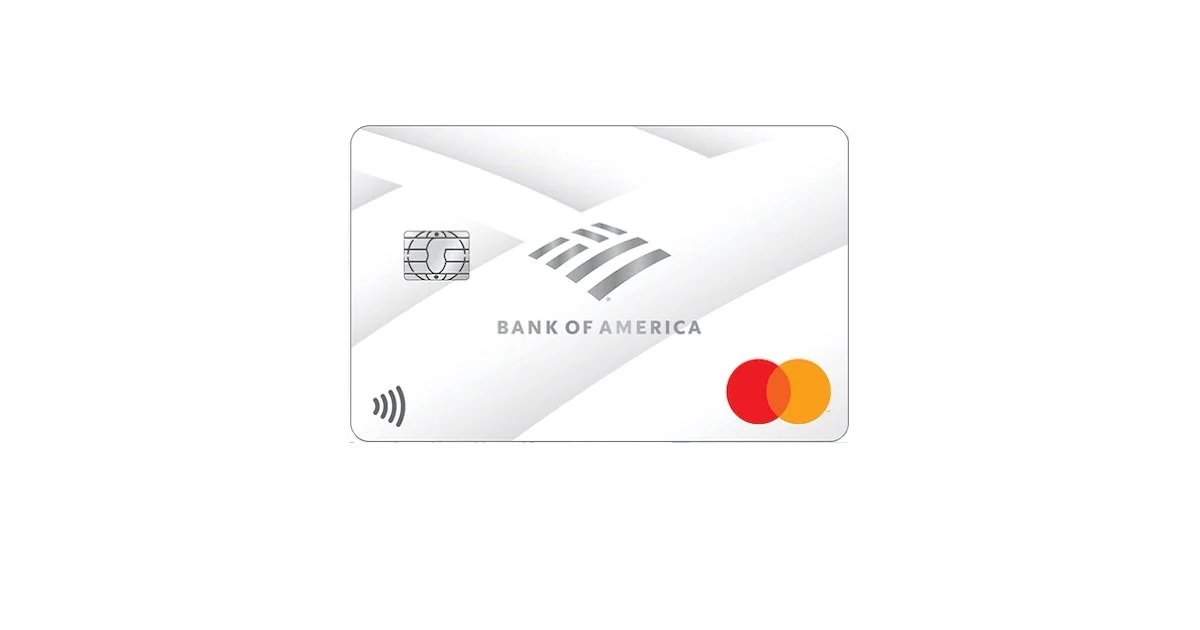
The rise of contactless payment technologies reflects a significant shift in how consumers are managing their transactions in today’s fast-paced world. As credit cards with this feature gain popularity, it is worth delving deeper into what this means for everyday consumers.
One of the most significant advantages of contactless payments is their speed. In traditional transaction methods, processing time can vary, often depending on the card reader or the payment processing system. However, with contactless payments, transactions can be completed in a matter of seconds. For example, when you visit a coffee shop and simply tap your card on the reader, you can receive your latte almost instantaneously—allowing you to be on your way without waiting in long lines.
Additionally, the safety aspect cannot be overstated. With this technology, there is less need to physically handle cash, which can often be a breeding ground for germs, especially in the wake of the COVID-19 pandemic. Furthermore, contactless payments minimize the risk of card skimming—the act of stealing card information by placing a device near a card reader. Since customers don’t have to insert their cards into machines, the risk of unauthorized access to card details is significantly reduced.
Moreover, the simplicity of these payments enhances user experience. For amounts typically under $50, consumers can skip the hassle of entering a PIN or signing a receipt. This makes transactions more straightforward for everyone involved, particularly in situations where small purchases are frequent, such as at convenience stores or fast food outlets. Imagine running into a store for a quick snack; with contactless payment, the flow of buying and receiving goods becomes almost seamless.
In the United States, numerous major retailers and service providers are embracing this innovative payment method. Chains like Target and Walmart have integrated contactless payment technology into their point of sale systems. Imagine grocery shopping: instead of fumbling through your wallet or purse during checkout, you can simply tap your card and go. This not only speeds up the process but also enhances the overall customer experience.
As we explore this evolving landscape, it’s crucial for consumers to remain informed. Understanding how contactless payment technologies work can aid in making wise financial choices. From the benefits of speed and safety to the simplicity they provide, credit cards with contactless capabilities are reshaping how we interact with money in our daily lives. By staying up to date and adapting to these changes, consumers can streamline their transactions while ensuring their financial security.
The Mechanics Behind Contactless Payments
At its core, contactless payment technology relies on a system called Near Field Communication (NFC). This technology allows devices, such as credit cards, smartphones, and smartwatches, to communicate wirelessly over short distances—typically within just a few centimeters. When you tap your card against a compatible reader, the card transmits encrypted data, authorizing the transaction without requiring physical contact. This efficient exchange of information is at the heart of the speedy experience that so many consumers have come to appreciate.
To understand this better, consider the typical components involved in a contactless payment transaction. Key elements include:
- Payment Card: Embedded with an NFC chip, this card facilitates the wireless communication between the reader and your payment method.
- Payment Terminal: Stores the technology necessary to accept contactless payments, allowing consumers to make their purchases simply by tapping their cards.
- Bank Processing System: Upon receiving data from the terminal, the bank processes the transaction, confirming if the payment can be completed based on factors like available funds and fraud detection algorithms.
The experience of using contactless payments is designed to be user-friendly, enhancing customer satisfaction. For example, many grocery stores now have dedicated lanes for customers using contactless payment methods. This not only minimizes wait times but also creates an environment where shoppers can easily grab their essentials and move on with their days. In fact, market research indicates that nearly 60% of consumers favor stores that offer contactless payment options, demonstrating a distinct preference for efficiency.
Moreover, the integration of mobile wallets, such as Apple Pay and Google Pay, has further propelled the popularity of contactless payment technologies. By loading credit and debit cards onto their smartphones, users can simply tap their devices at payment terminals. This method not only streamlines the process but also adds an element of convenience, especially for those who may forget their physical cards at home.
However, as with any new technology, concerns about security can arise. Fortunately, contactless payments incorporate several robust features designed to keep your financial information safe. For instance, the data transferred during a contactless transaction is typically encrypted, meaning it is transformed into a code that cannot be easily read by third parties. Additionally, many devices require biometric authentication, such as fingerprint or facial recognition, before confirming a transaction. These safeguards collectively help to reduce the risk of fraud and enhance the overall trustworthiness of contactless payments.
As consumers increasingly adapt to this innovative technology, it’s clear that contactless payments are not just a passing trend. They are shaping a new era of financial transactions, where speed, security, and convenience meet at the intersection of technology and consumer demand.
Benefits of Embracing Contactless Payment Technology
The emergence of contactless payment technology is not merely a technological innovation; it signifies a paradigm shift that brings numerous advantages to consumers, merchants, and the overall economy. Understanding these benefits can help to illuminate why this form of payment is rapidly gaining acceptance across the United States.
One of the most significant advantages associated with contactless payments is the considerable reduction in transaction time. With the simple tap of a card or smartphone, consumers can complete purchases in mere seconds. This contrasts starkly with traditional methods of payment that may require swiping, entering a PIN, or even signing for a receipt. In busy retail environments, this swift functionality results in shorter lines and improved customer satisfaction. A study by the Payment Card Industry indicates that contactless transactions can be processed up to 30% faster than traditional card payments, making it particularly appealing during peak shopping hours.
Furthermore, contactless payment technology fosters an environment of greater hygiene, a feature that has gained increased importance in the wake of the COVID-19 pandemic. As consumers become more conscious of cleanliness, the ability to avoid touching terminals and cash becomes a significant selling point. Retailers adopting contactless payment options not only cater to modern consumer preferences but also position themselves as responsible and health-conscious establishments.
For businesses, embracing this technology can lead to higher sales volumes. Research shows that merchants who accept contactless payments often experience an increase in average transaction sizes. This is partially due to the ease of quick transactions, encouraging customers to make impulse purchases without the hesitation that comes with fumbling for cash or a card. Additionally, with the rise of mobile payment applications linked to loyalty programs, businesses can enhance customer engagement and drive repeat sales through immediate rewards and incentives.
Adoption barriers have decreased significantly, enabling even small businesses to implement contactless payment solutions. Many affordable and user-friendly payment terminals are now available, ensuring that retailers of all sizes can meet the demands of tech-savvy consumers. Furthermore, NFC technology is now standard in most smartphones, making it accessible to a broader audience. This democratization of technology empowers more consumers to feel comfortable using contactless payments, ultimately driving widespread adoption.
Moreover, the appeal of contactless payment extends beyond retail; it also opens doors in other sectors such as public transportation. Many cities in the United States have begun adopting contactless payment systems for buses and metro systems, allowing commuters to tap their cards for quick entry. This results in a smoother flow of passengers and eliminates the need for cash transactions, which can slow down service and pose challenges in terms of management and security.
Lastly, data analytics associated with contactless payment technology empowers merchants with insights into consumer spending habits. By examining transaction data, businesses can tailor their offerings, promotions, and marketing strategies to better align with consumer preferences, thereby enhancing their overall competitiveness in the market.
In summary, the revolution of contactless payment technology not only signifies an evolution in how transactions are conducted but also shapes and enhances both consumer experiences and business operations. As both retailers and customers embrace these advancements, the benefits of speed, hygiene, efficiency, and depth of data empower a thriving economic environment.
Conclusion
The revolution of credit cards with contactless payment technologies marks a significant shift in the way consumers interact with their financial transactions. With the remarkable benefits of rapid transaction times, enhanced hygiene, and increased customer engagement, it is no wonder that contactless payments are swiftly becoming the preferred method for purchasing goods and services. The technology fosters a more efficient shopping experience while aligning with the modern consumer’s growing demand for convenience and safety.
Moreover, businesses that adopt this technology not only streamline operations but also unlock opportunities for higher sales and improved customer loyalty through rewards programs. The accessibility of affordable payment terminals has further reduced barriers for merchants, allowing small businesses to join this evolving landscape. As a result, we see a democratization of payment options, where both consumers and retailers can benefit from quicker and safer transactions.
Looking ahead, the potential applications of contactless payment technology extend far beyond retail scenarios. As various sectors like public transportation integrate these systems, we can anticipate a more interconnected and efficient economic environment. This is not just about making payments easier; it’s about embracing a technological advancement that shapes the future of commerce.
In conclusion, understanding and adopting contactless payment technology is essential for consumers and businesses alike. As we embrace this change, we pave the way for a more adaptable, efficient, and innovative financial ecosystem that enhances experiences and drives economic growth.

Linda Carter
Linda Carter is a writer and expert known for producing clear, engaging, and easy-to-understand content. With extensive experience in guiding people as they pursue their goals, she shares valuable insights and practical advice. Her mission is to help readers make informed choices and achieve meaningful progress.