
The Future of Smart Cities: Technologies Shaping Urban Planning
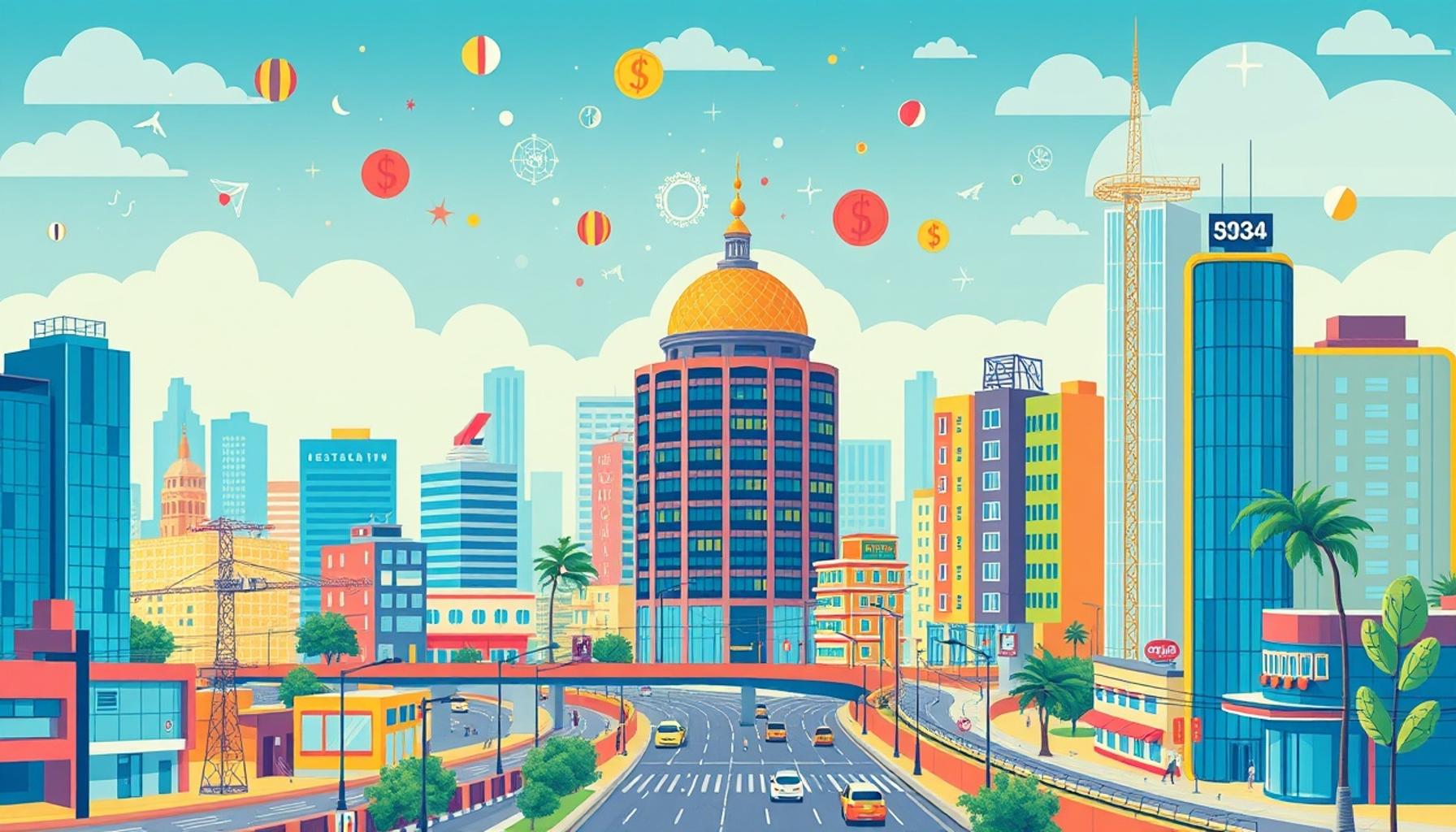
The Rise of Smart Cities
Urban areas are undergoing a profound transformation, with the concept of smart cities leading the way. These cities integrate advanced technology to improve citizens’ quality of life while efficiently managing urban operations. This shift is not merely a futuristic vision; smart cities are already reshaping our daily lives, enabling us to experience a seamless interaction with our urban environments.
Key Technologies Driving Smart Cities
Several technologies underpin the development of smart cities, each playing a crucial role in making urban living more efficient and sustainable. Here are some of the key components:
- Internet of Things (IoT): This technology connects various devices—everything from traffic lights to public transportation systems—to collect and transmit real-time data. For example, sensors in smart streetlights can adjust their brightness depending on the time of day and the presence of pedestrians, enhancing energy efficiency.
- Artificial Intelligence (AI): AI algorithms analyze the data collected from IoT devices to facilitate better decision-making. In smart cities, AI can predict traffic patterns, helping city officials optimize traffic light timings to minimize congestion and reduce commute times.
- Big Data: The vast amounts of data collected from urban activities provide invaluable insights. By examining trends in population movement, energy consumption, and public health, city planners can make informed decisions that benefit the community. For instance, analyzing data from public transportation usage can help improve service routes to better meet the needs of residents.
- Renewable Energy Solutions: To combat climate change and reduce carbon footprints, smart cities are increasingly implementing renewable energy sources like solar and wind power. These solutions not only provide sustainable energy but can also create local jobs in the green economy.
Addressing Urban Challenges
As urban populations swell, smart city technologies tackle significant challenges such as traffic congestion, waste management, and environmental sustainability. For example, cities like San Francisco have adopted smart waste management systems that use sensors in garbage bins to signal when they need to be emptied. This system reduces unnecessary collection trips, saving time and lowering emissions.
Moreover, smart traffic management systems, such as those implemented in cities like Los Angeles, adjust traffic signals based on real-time conditions. This optimization not only improves traffic flow but also contributes to reduced car emissions, promoting a healthier environment.
Conclusion
The innovations brought about by smart city technologies are essential for the future of urban planning. For citizens and city officials alike, understanding these advancements is paramount for navigating the transformations in our urban landscapes. As we continue to embrace technology in our cities, the potential to create more livable, efficient, and sustainable urban environments becomes ever more achievable.
DON’T MISS: Click here to dive deeper
Transforming Urban Infrastructure
As cities evolve, the integration of technology into urban infrastructure becomes increasingly vital. Smart cities leverage cutting-edge innovations to create resilient and flexible urban environments that can adapt to changing needs. This transformation is not just about adopting new gadgets; it’s about enhancing fundamental city functions such as transportation, energy management, and public safety.
Innovative Transportation Solutions
One of the most significant challenges cities face is transportation management. Smart cities leverage technology to improve transit systems and reduce congestion. For instance, cities like New York are using real-time data collected from public transportation systems and user apps to optimize bus routes and schedules. This not only saves commuters time but also encourages the use of public transport, reducing the number of vehicles on the road.
Furthermore, autonomous vehicles (AVs) are becoming a reality in urban settings. These self-driving cars promise to revolutionize personal and public transportation, leading to fewer accidents and enhanced mobility for all city residents, including those who cannot drive. Cities will need to develop the necessary infrastructure, such as dedicated AV lanes and charging stations, to accommodate this shift.
Smart Energy Management
Energy consumption in cities accounts for a substantial portion of greenhouse gas emissions. Smart energy solutions aim to curb this impact by using smart grids that enhance energy efficiency. For example, cities like San Diego are implementing smart grid technologies that allow for better integration of renewable energy sources, such as solar and wind power, into the existing energy infrastructure.
The introduction of smart meters also empowers residents by providing real-time information on energy consumption. With this knowledge, individuals and businesses can adjust their usage, lowering bills and reducing overall energy demand. Additionally, demand response programs can help balance energy loads, further enhancing grid reliability.
Enhancing Public Safety
Public safety is a fundamental concern for any urban area. Smart cities utilize technology to enhance safety measures and emergency response capabilities. With the integration of surveillance cameras and IoT sensors, city officials can monitor areas in real time, identifying high-risk locations and deploying resources accordingly.
Moreover, smart emergency response systems can alert citizens of potential dangers, such as natural disasters or severe weather, through mobile notifications. These systems can also optimize the routing of emergency vehicles based on current traffic conditions, ensuring a quicker response time to critical situations, ultimately saving lives.
In summary, the transformation of urban infrastructure through technology is pivotal for developing smart cities. From revolutionizing transportation to enhancing energy efficiency and public safety, these advancements promise to create more livable, safer, and sustainable urban environments for future generations.
DIVE DEEPER: Click here for insights on financial planning in a changing climate
Empowering Communities Through Connectivity
Connectivity is at the heart of smart city initiatives, enabling seamless communication between residents, city officials, and infrastructure. By harnessing the power of Internet of Things (IoT) devices, cities can create a network that enhances daily life for their inhabitants. This interconnectedness allows for improved decision-making, resource allocation, and engagement with the community.
Smart Communication and Information Systems
The integration of smart communication systems is pivotal in fostering community interaction and involvement. Many cities are adopting mobile applications that serve as a one-stop-shop for residents to access information about local services, report issues, and receive real-time updates on urban events. For instance, in Boston, the city’s app allows citizens to report potholes, track snow removal services, and even find public Wi-Fi locations. This empowers residents to be active participants in urban governance, making their voices heard when it comes to community concerns.
Additionally, interactive digital kiosks are being deployed in public spaces, providing information about public transport schedules, local attractions, and city news. These kiosks not only enhance accessibility to information but also act as platforms for local businesses to promote their services. As communities engage with these tools, a sense of belonging and connection within the urban fabric emerges.
Sustainable Waste Management Solutions
Another vital aspect of smart cities is efficient waste management. Using smart bins equipped with sensors, cities can monitor waste levels, optimizing collection routes and schedules based on real-time data. For example, cities like Amsterdam are employing this technology to minimize overflow and reduce operational costs associated with waste collection.
Moreover, data analytics from these smart bins can provide insights into consumption patterns, helping city planners make informed decisions about recycling initiatives and waste reduction programs. This not only leads to cleaner environments but also encourages sustainable practices among residents.
Green Spaces and Urban Agriculture
Urban green spaces play a significant role in improving the livability and sustainability of cities. Smart technology allows for the effective management of parks and gardens through sensor-based irrigation systems. These systems can automatically adjust water usage based on soil moisture levels, reducing waste and ensuring that plants thrive. Cities like Singapore are leading the way with vertical gardens and urban farms that benefit not just aesthetics, but also contribute to local food production and biodiversity.
Furthermore, initiatives such as community gardens supported by apps for urban farming connect citizens who wish to grow their food. This fosters community engagement and promotes healthy eating habits while combating food deserts in urban areas.
Incorporating technology in these sectors reflects a commitment to a sustainable urban future. Whether through enhanced waste management, increased access to green spaces, or fostering community interactions, the integration of technology into the city landscape is reshaping how residents experience and participate in urban life.
DISCOVER MORE: Click here to learn about the rise of robo-advisors
Looking Ahead: The Evolution of Urban Living
The future of smart cities is a dynamic landscape, characterized by the integration of advanced technologies that enhance the quality of life for residents and promote sustainable urban development. As we have explored, the connectivity brought forth by IoT devices, smart communication systems, and data analytics plays a crucial role in creating interactive communities where citizens are actively involved in governance and decision-making. This not only fosters a sense of belonging but also empowers residents to address local issues effectively.
Moreover, innovative solutions for waste management and the cultivation of urban green spaces reveal the importance of sustainability in urban planning. By leveraging smart technology, cities can optimize resources, promote environmental responsibility, and ensure cleaner, greener public spaces where community engagement thrives. These initiatives not only enhance urban aesthetics but also improve public health and accessibility while addressing crucial challenges such as food security.
As we move forward, it is crucial for urban planners, policymakers, and citizens to collaborate in harnessing these technological advancements. The adaptability and resilience of smart cities will ultimately depend on the collective effort to implement solutions that prioritize inclusivity and sustainability. By envisioning cities as interconnected ecosystems, we can create urban environments that not only respond to the needs of today but also anticipate the challenges of tomorrow. In this way, the future of smart cities promises to redefine urban living for generations to come.

Linda Carter
Linda Carter is a writer and expert known for producing clear, engaging, and easy-to-understand content. With extensive experience in guiding people as they pursue their goals, she shares valuable insights and practical advice. Her mission is to help readers make informed choices and achieve meaningful progress.