Technology and Sustainability: Innovative Solutions for Combating Climate Change

The Role of Technology in Tackling Climate Change
Climate change represents an unprecedented threat not only to the environment but also to societal well-being and economic stability. With increasing evidence of rising temperatures and extreme weather patterns, it has become clear that innovative solutions are required to address these pressing issues. Technology stands out as a crucial partner in these efforts, offering various tools and methodologies to promote sustainable practices and reduce greenhouse gas emissions.
One of the most promising developments in renewable energy is solar power. Solar panels convert sunlight into electricity, thereby diminishing our reliance on fossil fuels that contribute to air pollution and climate change. For instance, large-scale solar farms and residential solar panel installations across the United States have become more prevalent, making it easier for homeowners and businesses to harness clean energy. In states like California and Texas, policies and incentives for solar adoption have further accelerated this shift.
Electric vehicles (EVs) provide another significant advantage in combating climate change. By replacing conventional gasoline vehicles with EVs, we can significantly lower air pollution and greenhouse gas emissions. Major automobile manufacturers, including Tesla, Ford, and General Motors, are increasingly investing in electric vehicle technology, leading to a wider variety of affordable options for consumers. With advancements in battery technology, EVs are becoming more efficient and have longer ranges, making them a practical choice for everyday transportation.
Energy Efficiency and Smart Technology
In addition to renewable energy sources, smart grids play a vital role in improving energy efficiency. These advanced electrical systems enhance the distribution and consumption of energy by utilizing digital technology to monitor and manage energy flow. Smart grids can balance supply and demand in real time, reducing energy waste and lowering utility costs for consumers. For example, smart meters are being installed in millions of homes across the U.S., providing homeowners with more control over their energy usage and encouraging conservation efforts.
Another crucial innovation is carbon capture technology, which aims to reduce the amount of carbon dioxide emitted from industrial processes. This technology captures CO2 emissions directly at their source, such as power plants, and stores them underground or repurposes them for other industrial uses. Projects across the country, including those in the Midwest, showcase the effectiveness of this technology in mitigating the impacts of climate change by targeting historically high-emission sectors.
By integrating these advanced technologies into our daily lives, we can foster significant advancements towards a sustainable future. Understanding these solutions enables us to make informed choices regarding our energy consumption, transportation methods, and overall environmental impact. As we delve deeper into the technological innovations available, it becomes clear that taking action at both the personal and community levels is essential for achieving a healthier planet and a resilient economy.
DIVE DEEPER: Click here to learn more
Innovative Technologies for a Greener Future
As the urgency to combat climate change grows, so does the potential of innovative technologies to drive change. Harnessing the power of these advancements requires a comprehensive approach that integrates sustainable practices across various sectors. One of the cornerstones of this effort is energy efficiency, which focuses on reducing energy waste while maintaining the same level of comfort and productivity. By adopting energy-efficient appliances, buildings, and practices, we can collectively lower our energy consumption and greenhouse gas emissions.
For example, LED lighting is one of the simplest and most effective ways to enhance energy efficiency in homes and businesses. Compared to traditional incandescent bulbs, LED lights use up to 80% less energy and last significantly longer. This not only translates to lower electricity bills for consumers but also contributes to reduced demand on power plants and lower emissions overall. Communities across the United States are participating in initiatives that encourage the transition to LED lighting, showcasing a collective commitment to sustainability.
Waste Management Technologies
In addition to improving energy efficiency, advancements in waste management technologies are critical for a sustainable future. The challenge of managing the Earth’s waste is immense, and innovative solutions are emerging to address this issue effectively. Some of these solutions include:
- Composting: This process transforms organic waste, such as food scraps and yard debris, into valuable compost. Home composting systems and community composting programs are gaining popularity across cities, enabling people to reduce their landfill contributions while enriching the soil.
- Recycling Technologies: Advanced recycling technologies are being developed to make the recycling process more efficient. For instance, automated sorting systems using AI help separate recyclables from waste more accurately, increasing the volume of materials that can be successfully recycled.
- Waste-to-Energy Facilities: These facilities convert non-recyclable waste into energy through processes like anaerobic digestion. By generating electricity or heat, they mitigate the environmental impact of landfilling while providing a renewable energy source.
By incorporating these waste management technologies, communities can not only reduce their ecological footprints but also foster economic growth through the creation of green jobs in the recycling and composting sectors.
Moreover, the integration of smart technology in agriculture has shown promise in enhancing sustainability efforts. Precision agriculture utilizes data analytics and IoT (Internet of Things) devices to optimize farming practices. Farmers can now monitor soil conditions, water usage, and crop health in real time, allowing them to make more informed decisions and use resources effectively. This technology not only increases crop yields but also minimizes water waste and reduces the need for chemical fertilizers.
As we explore the myriad of technological innovations available, it becomes increasingly evident that embracing these solutions is essential for creating a sustainable future. From enhancing energy efficiency to revolutionizing waste management and smart agriculture, technology holds the key to combating climate change and ensuring a healthier planet for generations to come.
DISCOVER MORE: Click here to learn about the importance of your credit history
Adaptive Technologies for Climate Resilience
As climate change continues to pose significant challenges, the development of adaptive technologies plays a pivotal role in enhancing resilience across various sectors. These technologies not only mitigate the impacts of climate change but also empower communities to thrive despite environmental stresses. One of the most promising areas of innovation is in the realm of renewable energy, which is essential for transitioning away from fossil fuels and reducing greenhouse gas emissions.
Solar energy is one of the fastest-growing renewable energy sources in the United States. Advanced solar panels, such as those using bifacial technology, capture sunlight from both sides, significantly increasing energy output. Furthermore, innovations in energy storage technology, particularly lithium-ion batteries, allow excess energy generated during sunny days to be stored and used later, enhancing the reliability of solar power. Initiatives like community solar projects have made it easier for households without suitable roofs to benefit from solar energy, contributing to a more inclusive energy landscape.
Water Conservation Technologies
The impact of climate change on water resources is becoming increasingly evident, making water conservation technologies critical. Innovative solutions are emerging to improve water management and usage efficiency. Key examples include:
- Smart Irrigation Systems: These systems use weather data and soil moisture sensors to optimize watering schedules, reducing water waste. By applying water only when necessary, farmers and gardeners can conserve resources while maintaining healthy crops and landscapes.
- Desalination Technologies: As freshwater sources become scarcer, advancements in desalination processes are providing new options for drinking water. Modern desalination plants that use renewable energy sources are proving to be more sustainable, providing a vital resource for arid regions.
- Rainwater Harvesting: Collecting and storing rainwater for use during dry periods is a practice that is gaining traction. Innovations in filtration and storage systems have made rainwater harvesting more effective and appealing for urban and rural settings alike.
By leveraging these water conservation technologies, communities can reduce their vulnerability to droughts and water shortages, ultimately fostering resilience and sustainability.
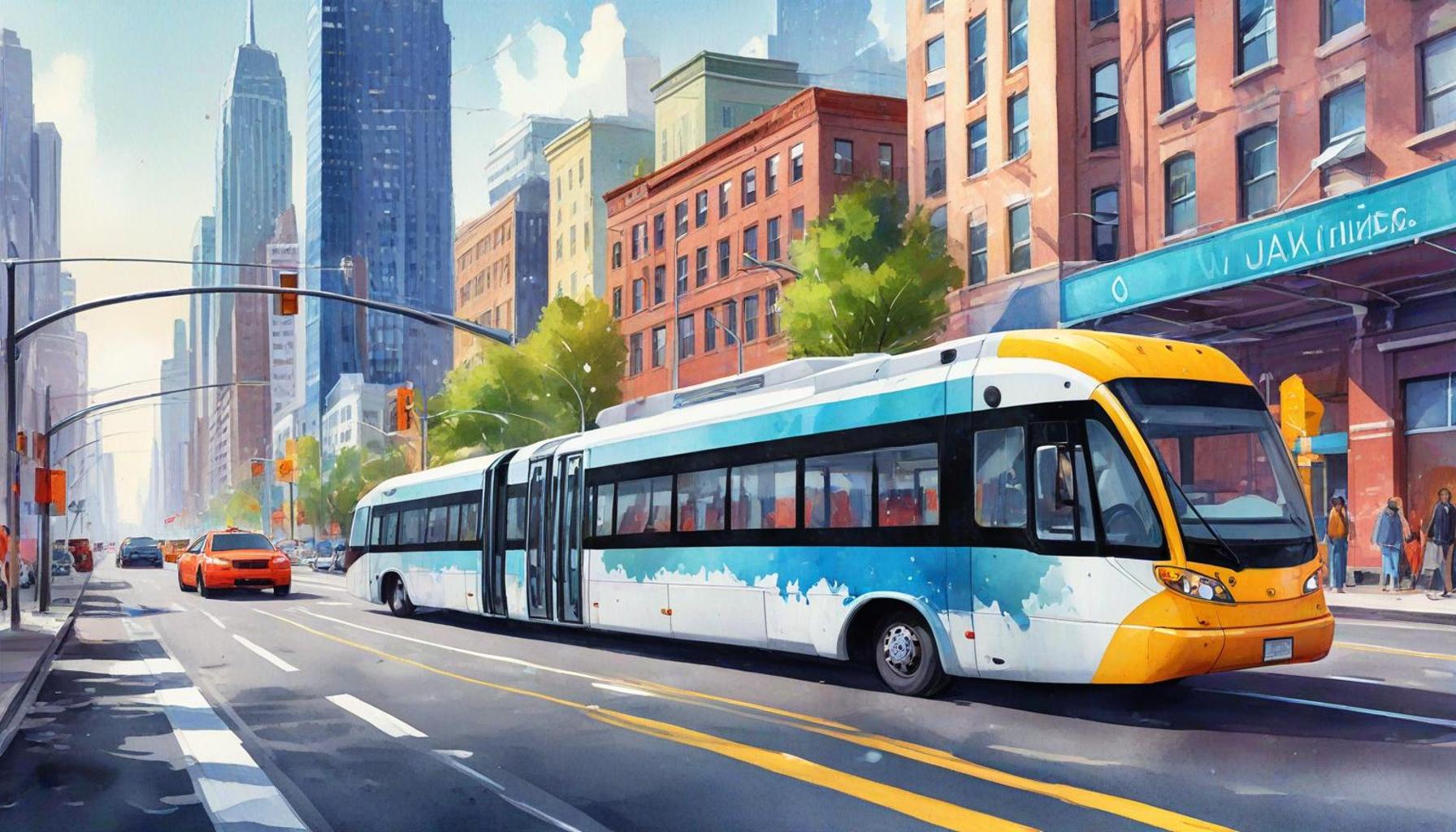
Furthermore, the role of smart cities in promoting sustainability cannot be overlooked. The integration of digital technology in urban planning and infrastructure enhances energy efficiency and reduces waste. For instance, smart traffic management systems use real-time data to optimize traffic flow, reduce congestion, and lower emissions. Additionally, smart waste management systems utilize sensors in trash bins to monitor fill levels, enabling more efficient collection routes that minimize fuel consumption and greenhouse gas emissions.
Moreover, the development of sustainable transportation technology is crucial for combating climate change. Electric vehicles (EVs) are gaining popularity, and as charging infrastructure expands across the United States, their adoption will contribute to lower emissions in the transportation sector. With continued innovations in battery technology, the future promises even greater efficiency and range for EVs. Urban areas are also exploring solutions like bike-sharing programs and public transportation upgrades to encourage sustainable commuting options.
These adaptive technologies not only provide immediate solutions to pressing climate challenges but also foster a shift towards sustainable practices that can positively impact future generations. By investing in and prioritizing these innovations, society can create a robust framework for addressing the ongoing effects of climate change while promoting sustainability at its core.
DISCOVER MORE: Click here for an effortless application guide
Conclusion
In conclusion, the convergence of technology and sustainability presents us with innovative solutions that are vital to combating climate change. By harnessing the potential of renewable energy, communities can reduce dependence on fossil fuels, leading to a significant decrease in greenhouse gas emissions. Advancements in solar power and energy storage, as well as community-driven initiatives, ensure that sustainable energy is accessible to all, laying the groundwork for an inclusive energy future.
Moreover, practical applications in water conservation technologies not only safeguard vital resources but also enhance agricultural productivity and human health. Strategies such as smart irrigation and rainwater harvesting exemplify how technology can improve efficiency while addressing growing water scarcity issues.
The potential of smart cities to optimize urban environments reflects a broader vision for sustainability, where technology integrates seamlessly into daily life to promote energy efficiency and reduce waste. Innovations in sustainable transportation, including the rise of electric vehicles and enhanced public transport systems, represent crucial steps toward lowering emissions in the transportation sector.
Ultimately, the intersection of technology and sustainability not only represents a response to climate change but also paves the way for a resilient, thriving future. It is imperative that we continue to invest in and adopt these technologies to mitigate climate impacts while fostering a more sustainable society. By embracing these advancements, we are not just equipping ourselves to tackle today’s challenges but also enhancing our capacity to safeguard the planet for future generations.

Linda Carter
Linda Carter is a writer and expert known for producing clear, engaging, and easy-to-understand content. With extensive experience in guiding people as they pursue their goals, she shares valuable insights and practical advice. Her mission is to help readers make informed choices and achieve meaningful progress.