The Rise of Sustainable Credit Cards and Their Impact on the Financial Market

Understanding Sustainable Credit Cards
With the increasing awareness of environmental issues, consumers are taking proactive steps to ensure that their financial choices reflect their personal values. One significant innovation in this realm is the rise of sustainable credit cards. These cards are not simply financial instruments; they represent a commitment to fostering positive social and environmental change. As such, they cater specifically to eco-conscious consumers who want their spending habits to align with their values.
Key Features of Sustainable Credit Cards
Sustainable credit cards distinguish themselves from traditional cards through several compelling features:
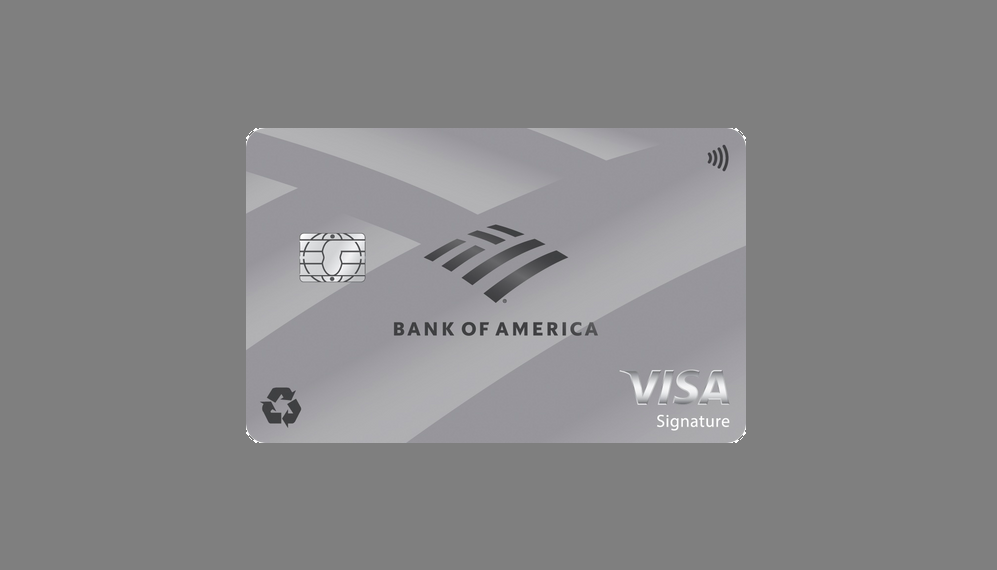
- Eco-friendly materials: Traditional credit cards are often made from virgin plastics, contributing to environmental decay. In contrast, many sustainable credit cards are crafted from recycled or biodegradable materials. For instance, some cards use reclaimed ocean plastics or plant-based materials, significantly reducing their carbon footprint.
- Rewards for sustainable spending: Sustainable credit cards incentivize consumers to make environmentally friendly purchases. Users can earn rewards for transactions made with eco-friendly brands, such as organic grocery stores or renewable energy providers. For example, a card may offer double points for buying from a certified green business or a store that sells sustainable products.
- Carbon offset programs: An innovative feature of these cards involves contributing a percentage of every purchase toward carbon offset initiatives, such as reforestation projects or renewable energy programs. This means that every time you swipe your card, you are helping to mitigate climate change. Some banks may even allow users to choose specific projects to support, adding a personal touch to their contributions.
Not only do these features enhance the environmental benefits of using a credit card, but they also reflect a broader transformation in the financial sector, aimed at attracting a demographic increasingly concerned with sustainability.
Broader Implications for the Financial Market
The introduction of sustainable credit cards may have profound effects on both consumer behavior and corporate practices:
- Encouraging responsible consumer spending: By rewarding eco-friendly purchases, sustainable cards help cultivate a culture where consumers prioritize environmental consciousness. For instance, if a user is deciding between a non-organic product and an organic alternative, the potential rewards from sustainable spending may tip the scales in favor of more eco-friendly choices.
- Influencing corporate behaviors: As consumer preferences shift, companies may feel pressured to adapt their business practices to attract sustainable credit card users. Businesses that implement environmentally friendly practices, such as reducing waste or sourcing sustainable materials, stand to gain a competitive advantage in the marketplace.
In summary, sustainable credit cards embody a growing trend where financial decisions can lead to positive social and environmental impacts. They not only empower consumers to align their spending with their values but also compel businesses to reconsider their environmental footprints. The ongoing evolution of the financial market offers an exciting avenue for consumers looking to make a difference with every transaction.
Transforming Consumer Behavior and Corporate Responsibility
The emergence of sustainable credit cards is not only a reflection of changing consumer preferences but also a catalyst for altering traditional spending patterns. The intersection of personal finance and environmental awareness represents a significant shift in the way consumers engage with their money. This new approach to credit is guiding individuals toward making informed decisions that positively impact their communities and the planet.
Encouraging Responsible Consumer Spending
One of the most notable outcomes of adopting sustainable credit cards is the promotion of responsible consumer spending. Many individuals are realizing that their purchasing decisions hold power not just for their wallets but also for the environment. By offering rewards for eco-friendly purchases, these cards actively encourage users to choose sustainable options. For instance, consider a consumer contemplating a purchase at a local grocery store. If they have the option to earn additional rewards points by buying organic produce or products from a sustainable brand, they may be more inclined to make the eco-friendly choice. This shift encourages a broader culture of sustainability, influencing how consumers view expenditure.
- Changing Purchase Decisions: When consumers realize that using a sustainable credit card can lead to tangible benefits, such as cashback or rewards for responsible purchases, they are more likely to make environmentally conscious decisions. For instance, they may start opting for public transport over driving, knowing that swiping their card at transit stations can contribute to carbon offset programs.
- Building Brand Loyalty: With rewards tied to eco-friendly actions, consumers often find themselves developing a sense of loyalty to brands that align with their values. This loyalty is especially keen among eco-conscious shoppers who are not only interested in purchasing products but are also eager to support businesses that are making strides toward sustainability.
- Financial Literacy and Environmental Awareness: In many cases, the process of engaging with sustainable credit cards also helps enhance broader financial literacy. As consumers learn more about how their choices impact the environment, they begin to connect these insights with financial management. This convergence can lead to more informed decisions, as individuals prioritize environmental responsibility in their financial planning.
Influencing Corporate Behaviors
The rise of sustainable credit cards creates a ripple effect in the corporate environment as well. Companies are increasingly recognizing that consumer demands are shifting toward sustainability, and this awareness drives them to adjust their business practices accordingly. Businesses that incorporate environmentally friendly operations will not only attract customers who use sustainable credit cards but also improve their overall market competitiveness. Examples include:
- Adopting Green Initiatives: Companies can implement practices such as reducing plastic waste, using renewable energy, or sourcing sustainable materials to appeal to consumers motivated by eco-conscious spending.
- Marketing Strategies: Brands are starting to integrate sustainability into their marketing strategies, portraying their efforts to become more environmentally responsible to attract and retain customers who prioritize eco-friendliness.
- Collaborating with Sustainable Credit Card Providers: Some businesses actively partner with sustainable credit card companies to offer unique rewards or promotions, further facilitating consumer engagement with sustainability.
In conclusion, sustainable credit cards are reshaping consumer behavior and encouraging corporations to adopt more responsible practices. By supporting eco-friendly spending, these cards play a crucial role in promoting a sustainable future, empowering consumers to make choices that align with their values while also influencing businesses to consider their environmental impact as they compete for a greener marketplace.
Driving Innovation in Financial Products
The impact of sustainable credit cards extends beyond consumer behavior and corporate responsibility; it also fosters innovation within the financial sector. As demand for environmentally friendly financial products rises, traditional credit card issuers and fintech companies alike are motivated to develop new options that resonate with eco-conscious consumers. This push for innovation is not only transforming existing credit card offerings but also spawning entirely new services aimed at enhancing sustainability.
Green Features and Technologies
Sustainable credit cards are incorporating a range of innovative features that are designed to enhance the user experience while promoting eco-friendly behavior. For example, some providers are integrating tools that allow users to track their carbon footprint based on their spending patterns. This feature not only provides valuable insights but also empowers consumers to adjust their purchase behaviors to lower their environmental impact. Features like these include:
- Carbon Offset Programs: Many sustainable credit cards now include a built-in carbon offset mechanism whereby a portion of the spending goes towards projects that aim to balance out carbon emissions. For instance, each purchase could contribute to funding reforestation efforts or renewable energy projects, allowing consumers to feel good about their spending.
- Real-Time Spending Tracking: With a focus on sustainability, some credit card apps offer real-time insights into how much users are spending on eco-friendly products versus traditional ones. This visibility can encourage consumers to make better choices in their daily purchasing habits.
- Customized Rewards: Cardholders may have the option to select which sustainable initiatives they want their rewards to support, whether it’s a local environmental charity or a global sustainability project. This customization fosters a sense of connection between the consumer’s values and their financial choices.
Fueling Competition Among Financial Institutions
The emergence of sustainable credit cards has spurred competition among financial institutions, prompting them to rethink their offerings to attract environmentally minded customers. Traditional banks and credit unions are now under pressure to introduce their own sustainable products that can rival those of fintech startups focusing on eco-friendliness. As a result, we are seeing:
- Enhanced Customer Engagement: Financial institutions are investing resources into educating their customers about sustainability through events, online resources, and product features. This level of engagement fosters stronger relationships with consumers who care about social responsibility.
- Socially Responsible Investing (SRI) Options: Many banks are integrating sustainable investment options into their portfolios, allowing customers to align their investments with their values. Sustainable credit cards often come with perks related to these offerings, encouraging users to invest in eco-friendly stocks or funds if they choose.
- Innovative Marketing Campaigns: Credit card issuers are adopting marketing strategies that highlight their sustainable initiatives. By showcasing their commitment to environmental stewardship, these companies can not only attract eco-conscious consumers but also set themselves apart in a crowded marketplace.
Ultimately, the growth of sustainable credit cards is creating a dynamic environment where financial institutions are innovating to meet consumer demands for responsible finance. By leading with eco-conscious options, these organizations are not only addressing climate change but also reinforcing the idea that financial products can serve a greater purpose beyond personal gain.
Conclusion
The rise of sustainable credit cards marks a significant shift in the financial market, illustrating a growing acknowledgment of the link between consumer finance and environmental responsibility. As consumers increasingly prioritize sustainability, financial institutions are responding with innovative offerings that not only address individual needs but also promote a broader mission of ecological stewardship. Sustainable credit cards are not merely instruments of transaction; they represent a movement towards integrating financial choices with personal values, encouraging users to take active roles in fostering environmental change while managing their expenditures.
This evolving landscape is characterized by the incorporation of green features such as carbon offset programs, real-time spending insights, and customizable rewards that resonate with eco-conscious consumers. Moreover, the competitive pressure among banks and fintech companies to deliver sustainable financial products has led to enhanced customer engagement and the introduction of socially responsible investment options, further intertwining personal finance with sustainability.
Looking ahead, sustainable credit cards are likely to continue influencing the financial market, prompting ongoing innovation and heightened competition. As this trend grows, it is essential for consumers to recognize the power of their financial choices and the potential they hold in shaping a more sustainable future. Ultimately, the rise of these eco-friendly financial products is not just a passing trend but a fundamental transformation within the financial industry, where profit aligns with purpose, and financial decisions contribute to a positive planetary impact.

Linda Carter
Linda Carter is a writer and financial expert specializing in personal finance and financial planning. With extensive experience helping individuals achieve financial stability and make informed decisions, Linda shares her knowledge on the Centralismo platform. Her goal is to provide readers with practical advice and strategies for financial success.