The Resurgence of Manufacturing: Investing in Manufactured Products in
Understanding the Manufacturing Revival
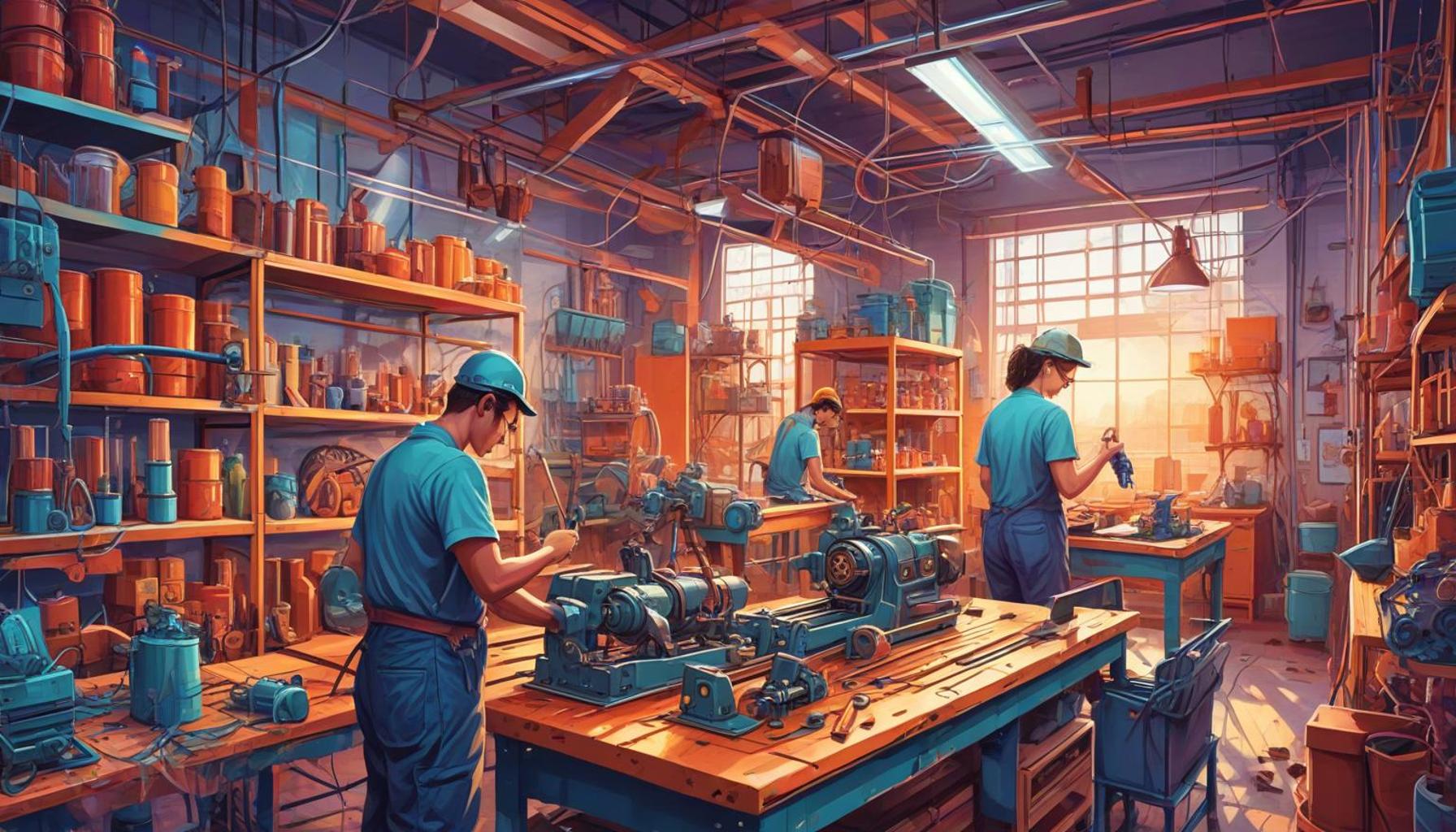
In recent years, the landscape of manufacturing in the United States has experienced a remarkable transformation. The resurgence of the manufacturing sector has rekindled interest among investors and consumers alike. This shift presents new opportunities that are worth exploring.
Key factors driving this revival include:
- Technological Advancements: Innovations in automation and AI are enhancing efficiency across various manufacturing processes. For example, robotic arms are now commonplace in automotive manufacturing, allowing for faster assembly times and reduced labor costs. Companies like Tesla use advanced robotics to streamline production, maximizing output while minimizing error rates.
- Local Sourcing: There is a growing movement to support domestic production. Consumers are increasingly seeking products made within the U.S. to stimulate the economy and ensure quality. Brands like American Giant have gained popularity by emphasizing their commitment to local sourcing, producing high-quality apparel that resonates with customers who value domestic manufacturing.
- Supply Chain Resilience: Recent global disruptions, particularly due to the COVID-19 pandemic, prompted companies to rethink their supply chain strategies. This has led to a shift away from reliance on overseas production towards more localized facilities. For instance, companies are investing in onshore manufacturing capabilities to mitigate risks associated with international shipping delays.
As manufacturers adopt smarter practices, they also respond to changing consumer demand. For example:
- Sustainable Products: Many manufacturers are now prioritizing eco-friendly materials. Companies like Patagonia have set standards in the outdoor apparel industry by using recycled materials and promoting sustainability, appealing to environmentally conscious consumers.
- Customization: Advances in technology allow for more personalized products, catering to specific consumer needs. Brands like Nike offer customizable shoes, enabling customers to select colors and styles, which enhances their connection to the product.
- Quality Over Quantity: There is a growing emphasis on high-quality, durable goods. For instance, household brands such as KitchenAid have built their reputation on delivering long-lasting kitchen appliances, encouraging consumers to prioritize quality and longevity in their purchases.
Investing in manufactured products offers a unique opportunity to tap into this revitalized sector. As related trends emerge and evolve, understanding them can guide potential investors toward making informed and strategic decisions. By staying attuned to these factors—technological advancements, local sourcing, and changes in consumer preferences—individuals and businesses alike can benefit from this new industrial landscape.
CHECK OUT: Click here to explore more
Key Trends Shaping the Manufacturing Sector
The revival of the manufacturing sector in the United States is not just a fleeting trend; it is backed by several key developments that are reshaping the industry landscape. Understanding these trends is essential for investors looking to leverage opportunities in the manufacturing space. Below are some of the most significant trends currently influencing the resurgence of manufacturing.
1. Increased Investment in Automation
One of the foremost trends driving the resurgence of manufacturing is the substantial investment in automation technologies. Manufacturers are increasingly adopting advanced robotics and AI-driven systems to enhance productivity and streamline operations. For instance, companies such as General Motors and Boeing are integrating sophisticated automation processes into their assembly lines. This not only increases output but also reduces the likelihood of human error, leading to higher quality products.
2. The Rise of Additive Manufacturing
Additive manufacturing, commonly known as 3D printing, has revolutionized the way products are designed and produced. This technology allows companies to create complex parts and prototypes with minimal waste and time, making it especially beneficial for industries like aerospace and healthcare. For example, Stratasys, a leader in 3D printing technology, enables manufacturers to produce custom components on-demand, leading to significant cost savings and efficient supply chain management.
3. Demand for Personalized Products
Today’s consumers are looking for products that not only meet their needs but also reflect their individual preferences. As a response, manufacturers are leveraging technology to create more personalized offerings. For instance, brands like Levi’s have introduced customization options that allow customers to tailor jeans to their specific styles and fits. This trend does not just help in capturing market attention; it also fosters customer loyalty, as consumers feel a deeper connection to products they helped create.
4. Focus on Sustainability
The demand for sustainable and environmentally friendly products is at an all-time high. Consumers are becoming more conscious of their purchases and are leaning towards brands that prioritize sustainability. Manufacturers are responding by sourcing materials responsibly and adopting eco-friendly practices. Companies like Unilever are setting ambitious targets to reduce their carbon footprint, appealing to an environmentally aware demographic that values corporate responsibility.
5. Community-Driven Production
There’s a palpable movement toward supporting local economies and communities through manufacturing. This trend is driving businesses to source materials locally and invest in infrastructure that creates jobs within their communities. For example, craft breweries have surged in popularity, with many opting to use locally sourced ingredients—a practice that not only supports local farmers but also appeals to consumers who prefer buying local products.
By analyzing these trends, investors can identify sectors with high potential for growth and sustainability. This newfound vigor in manufacturing presents unique opportunities, allowing stakeholders to not only benefit financially but also contribute to building a robust economy. The future of manufacturing is indeed promising, driven by innovation and changing consumer attitudes that collectively reshape the industrial landscape.
CHECK OUT: Click here to explore more
Opportunities for Investment in the Manufacturing Sector
The resurgence of the manufacturing sector not only indicates a recovery of traditional industries but also unveils a myriad of investment opportunities. As the landscape evolves, savvy investors can capitalize on advancements and shifts by targeting specific niches within the manufacturing space. Here are some key areas worth exploring.
1. Advanced Materials
Materials play a crucial role in manufacturing, and the development of advanced materials is gaining traction. Innovations such as lightweight composites and smart materials are revolutionizing industries, from automotive to aerospace. Companies like Boeing are investing heavily in carbon-fiber composites that significantly enhance fuel efficiency in aircraft. For investors, targeting firms that specialize in the development and production of these materials could yield impressive returns, particularly as industries increasingly prioritize efficiency and performance.
2. Reshoring and Supply Chain Diversification
The recent disruptions caused by global events, such as the COVID-19 pandemic, have led many manufacturers to rethink their reliance on overseas production. Reshoring—the practice of bringing manufacturing back to domestic shores—has become more appealing. Companies are focusing on establishing local supply chains to reduce risks and enhance control over production processes. Investing in companies that are actively reshoring operations, like Tesla with its Gigafactory in Nevada, presents a unique opportunity to engage with businesses set to flourish in a more localized economy.
3. Digital Manufacturing and the Industrial Internet of Things (IIoT)
Digital manufacturing is redefining traditional practices through the integration of the Industrial Internet of Things (IIoT). This technology connects machines and devices, enabling real-time data sharing and analysis to optimize production efficiency. Companies such as Siemens are at the forefront of this transformation, offering integrated solutions that enhance productivity. Investors who look for firms specializing in IIoT solutions or those that implement these technologies stand to benefit from the widespread demand for improved operational performance.
4. Electric Vehicles (EV) and Battery Manufacturing
The transition to electric vehicles is a major trend reshaping the manufacturing sector, particularly in the automotive industry. As consumers become more environmentally conscious, demand for EVs is set to soar. This shift extends beyond vehicle production to the manufacturing of batteries and components essential for EV performance. Companies such as Rivian and established players like Ford are ramping up their production capabilities in this sector. Investing in manufacturers of specialized battery technology or suppliers of EV-related components can yield substantial long-term benefits as the industry matures.
5. Healthcare and Biomanufacturing
The recent global health challenges have underlined the importance of the healthcare manufacturing sector. Biomanufacturing is seeing unprecedented growth as companies strive to produce innovative medical products, pharmaceuticals, and vaccines. Investment in firms that focus on this sector, particularly those that employ biotechnology and advanced manufacturing techniques, holds significant promise. For instance, companies that produce synthetic biologics or personalized medicine solutions are well-positioned to capitalize on the growing demand for healthcare innovations.
In summary, the evolving landscape of manufacturing presents multiple avenues for investment. By staying abreast of emerging trends and identifying firms committed to innovation and sustainability, investors can harness the potential of this revitalized sector. The convergence of technology, localized production, and consumer preferences is paving the way for a new era in manufacturing, opening up exciting prospects for those ready to engage with this dynamic field.
SEE ALSO: Click here to read another article
Conclusion
The revival of the manufacturing sector presents a compelling narrative that is not just about recovery but also encompasses evolution and opportunity. As we have explored, the emergence of advanced materials, a shift towards reshoring and local supply chains, advancements in digital manufacturing, the proliferation of electric vehicles, and innovations in healthcare biomanufacturing are all areas ripe for investment. These sectors are indicative of a broader transition towards a more resilient, efficient, and environmentally conscious manufacturing landscape.
However, while the potential for significant returns exists, it is imperative for investors to conduct thorough research, focusing on companies that not only align with these trends but also demonstrate a commitment to sustainable practices and innovation. By understanding market dynamics and consumer preferences, investors can make informed decisions that contribute to a more diverse and robust investment portfolio.
As we look forward, it’s essential to recognize that this resurgence is driven by both technological advancements and the changing values of society, particularly in the aftermath of recent global challenges. Investing in manufacturing today means participating in a movement towards greater self-sufficiency and sustainability in the American economy. In conclusion, those who act now to invest strategically in these evolving manufacturing sectors may not only reap financial rewards but also play a critical role in shaping the future of industry in the United States.

James Carter is a financial writer and consultant with expertise in economics, personal finance, and investment strategies. With years of experience helping individuals and businesses navigate complex financial decisions, James provides practical insights and analysis. His goal is to empower readers with the knowledge they need to achieve financial success.