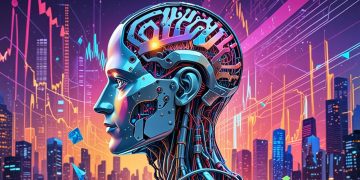
The influence of automation on trading and asset management operations

The Rise of Automation in Finance
In the modern era, the integration of automation into finance is reshaping the landscape of trading and asset management, making it an exhilarating time for both seasoned investors and newcomers. As we witness this transformation, it’s crucial to explore not just the mechanics, but also the profound implications that automation has on our financial well-being.
One of the most significant benefits of automation in finance is its speed. Automated trading systems can execute transactions in a fraction of a second, often placing trades before human traders can even react. For example, during moments of market volatility, the ability to execute trades quickly can mean the difference between a profitable position and a significant loss. This rapid-fire trading is often employed in high-frequency trading (HFT) strategies, where algorithms analyze market conditions in real time, allowing investors to capitalize on transient price movements.
Moreover, automation enhances accuracy. In an industry where precision is paramount, automated systems mitigate the risks associated with human error. For instance, financial institutions equipped with advanced algorithms can execute complex strategies based on massive datasets without the inconsistencies that arise from manual calculations. This reliability ensures that investors can make calculated decisions rooted in robust analytics rather than emotions or fatigue, ultimately fostering a more disciplined approach to trading.
Another remarkable advantage is data analysis. With the capacity to process vast quantities of information, automated tools can identify market trends, correlations, and anomalous behaviors that might otherwise go unnoticed. For example, an investor can utilize machine learning algorithms to sift through historical data and predict potential market shifts. This deep analysis equips traders with insights that empower them to make informed decisions about buying, selling, or holding assets.
Embracing the Challenges
While the benefits of automation are compelling, it’s vital to acknowledge the challenges it presents. Issues such as market manipulation risks and the potential for technology failures must be addressed responsibly. For instance, there have been instances where automated trading systems have triggered significant market disruptions, highlighting the need for robust oversight and risk management protocols. By recognizing these challenges, investors can foster a more responsible approach to automation.
This evolution in trading and asset management urges investors to engage more consciously with their financial futures. The call to action is clear: to understand the role of automation not just as a tool for convenience, but as a means to enhance strategic decision-making. By leveraging automated solutions wisely, investors can enhance their trading strategies while promoting responsibility in asset management.
As we delve further into how automation can influence your financial journey, let it inspire you to approach investment opportunities with a blend of excitement and caution. Together, we can navigate this new horizon, ensuring that each financial decision is informed, intentional, and aligned with long-term goals. Embrace this opportunity to build a prosperous financial future rooted in knowledge, responsibility, and a forward-thinking mindset.
FIND OUT MORE: Click here to learn about the impact of inflation
Transforming Strategies through Automation
The integration of automation in trading and asset management is revolutionizing traditional strategies and presenting a compelling landscape for investors. With the relentless pace of technological advancements, automated systems are not merely auxiliary tools; they are becoming the backbone of investment strategies. As a result, it is essential for investors to understand how automation can reshape their approach to trading and asset management.
One of the most transformative aspects of automation is its ability to facilitate real-time decision-making. In an age where information flows at lightning speed, the capacity of automated systems to analyze and act on data instantaneously offers a distinct advantage. For instance, consider algorithmic trading, which leverages historical market data and current trends to execute trades autonomously. This approach enables investors to seize opportunities as they arise rather than being hindered by the limitations of human cognition. By adopting these cutting-edge systems, investors can position themselves at the forefront of market movements.
Furthermore, automation empowers traders by providing them with enhanced portfolio management capabilities. Automated tools can help investors diversify their holdings with greater precision, managing risks more effectively. For example, by utilizing robo-advisors, investors can automatically rebalance their portfolios in line with their risk tolerance and market fluctuations. This continuous optimization can lead to improved performance over time, ensuring that assets are not only maintained but grow steadily toward achieving financial goals. The ease with which investors can adjust their strategies without needing to micromanage their portfolios is invaluable in a fast-paced market.
To illustrate the potential of automation in trading and asset management, here are some key ways it can make a difference:
- Reduced Costs: Automation often leads to lower transaction costs by minimizing the need for human intervention. This efficiency can translate into higher returns for investors.
- Increased Market Access: Automated systems can enable access to various markets globally, allowing investors to explore opportunities beyond domestic fronts.
- Enhanced Risk Management: Automation can continuously monitor investments and market conditions, enabling investors to implement safeguards to mitigate potential losses efficiently.
However, as we embrace the advantages of automation, it’s important to cultivate a deeper understanding of what it means for individual investors. Automated solutions can streamline processes, but they also demand a thorough analysis of risk tolerance, investment goals, and market awareness. To maximize the benefits of automation, investors should remain actively engaged with their strategies and be prepared to pivot when needed.
In this brave new world of finance, automation is not just a passing trend; it is a catalyst for change and growth. By harnessing its power responsibly, investors can form a more resilient financial framework that aligns with long-term aspirations. The journey towards successful investing may be embarking on an automated path, but it is one that still requires thoughtful navigation and informed decision-making.
DISCOVER MORE: Click here to learn about the rise of robo-advisors
Empowering Investors with Intelligent Automation
Beyond the foundational transformations discussed earlier, automation is empowering investors to command a more nuanced understanding of the market landscape. With the support of advanced analytics and machine learning algorithms, traders can now dissect vast datasets to uncover patterns and correlations that may have otherwise eluded human analysts. This level of granularity offers profound insights, enabling investors to forecast potential market shifts with enhanced accuracy.
Imagine the capabilities brought by predictive analytics, for instance. Investors can analyze indicators such as market sentiment, economic reports, and trading volumes to anticipate price movements more effectively. This concrete application of automation not only promotes confidence in decision-making but also creates new possibilities for capitalizing on emerging trends while minimizing exposure to risk.
Moreover, the rise of neural networks and natural language processing (NLP) tools allows investors to process unstructured data, such as news articles, social media posts, and expert commentary. By analyzing sentiment—whether optimistic or pessimistic—around a particular asset, investors can make informed choices on when to enter or exit a position, thus navigating the complexities of human emotion in trading.
These advanced technological frameworks act as an extension of an investor’s intuition, providing insights that can lead to a more educated and analytical approach. Automation gives traders and asset managers a competitive edge in the ever-complex and fast-moving financial markets. The speed at which these systems operate, coupled with their analytical prowess, allows for strategies that would have been impossible through traditional means.
Additionally, as investors increasingly adopt automation tools, the landscape of regulatory compliance is also shifting. Automated systems can be designed to adhere to changing regulations, ensuring that investment strategies remain compliant without significant manual oversight. This proactive approach to compliance not only fosters trust among investors but also alleviates the burden on asset managers, allowing them to focus on cultivating relationships and tailoring strategies to meet client needs.
One cannot overlook the importance of education and adaptation in leveraging automated systems effectively. Investors must prioritize learning how to interpret and utilize insights derived from automated tools. While these systems bring significant advantages, they are not a substitute for the human element in investing. Encouraging a mindset of continuous learning, adaptation, and strategic awareness is crucial in forming a symbiotic relationship with automation. Aspiring investors should engage in training opportunities that acquaint them with programming languages and data analysis techniques to further embrace this shift toward automation.
Finally, there exists an emotional component to automation that should not go unnoticed. The fear of missing out (FOMO) has long shadowed investors, driving impulsive decisions in the struggle to capitalize on fleeting opportunities. Automated systems can mitigate the emotional pitfalls of trading, as they operate on data-driven analysis rather than on instinct or emotion. This rational approach can cultivate a more sustainable investment practice, enabling individuals to forge ahead with clarity, confidence, and purpose.
In this redefined era of trading and asset management, automation is not simply about adopting the latest technology; it’s about harnessing its transformative power to drive informed, responsible, and impactful financial decisions. As investors embark on this journey, the focus must remain on marrying technology with human judgement to thrive in a vibrant investing environment.
DISCOVER MORE: Click here to learn more about the impact of interest rates
Conclusion: Embracing the Future of Investment
As we stand on the cusp of a financial revolution, the influence of automation on trading and asset management operations is unmistakable. The ability of advanced analytics and machine learning to process extensive data sets grants investors insights that empower them to make well-informed, timely decisions in a volatile market environment. By embracing automation, investors can uncover patterns and anticipate trends with a level of accuracy that was previously unimaginable.
Moreover, the fusion of automation with regulatory compliance not only streamlines operations but also builds trust among clients. Investors who prioritize understanding how to leverage these technologies can navigate the intricate web of modern markets with heightened confidence. As the landscape continues to evolve, education and adaptability emerge as essential qualities for anyone wishing to thrive amid these changes.
While technology serves as a powerful ally, it is the thoughtful integration of human judgement that ultimately shapes successful investment strategies. This synergy fosters a disciplined approach, allowing investors to mitigate emotional impulses and make decisions based on robust data analysis. As we move forward, it is crucial to embrace automation not merely as a trend but as a strategic ally in the quest for financial freedom.
In this dynamic environment, each investor has the opportunity to harness technology’s transformative potential while remaining firmly grounded in personal values and insights. Together, technology and human instinct can forge a path towards a more informed, sustainable, and responsible investing future. Now, more than ever, is the time to step into this journey and embrace the possibilities of automation in shaping investment success.

Linda Carter is a writer and financial expert specializing in personal finance and financial planning. With extensive experience helping individuals achieve financial stability and make informed decisions, Linda shares her knowledge on the Centralismo platform. Her goal is to provide readers with practical advice and strategies for financial success.