The Impact of Geopolitical Events on Cryptocurrency Prices in the USA.
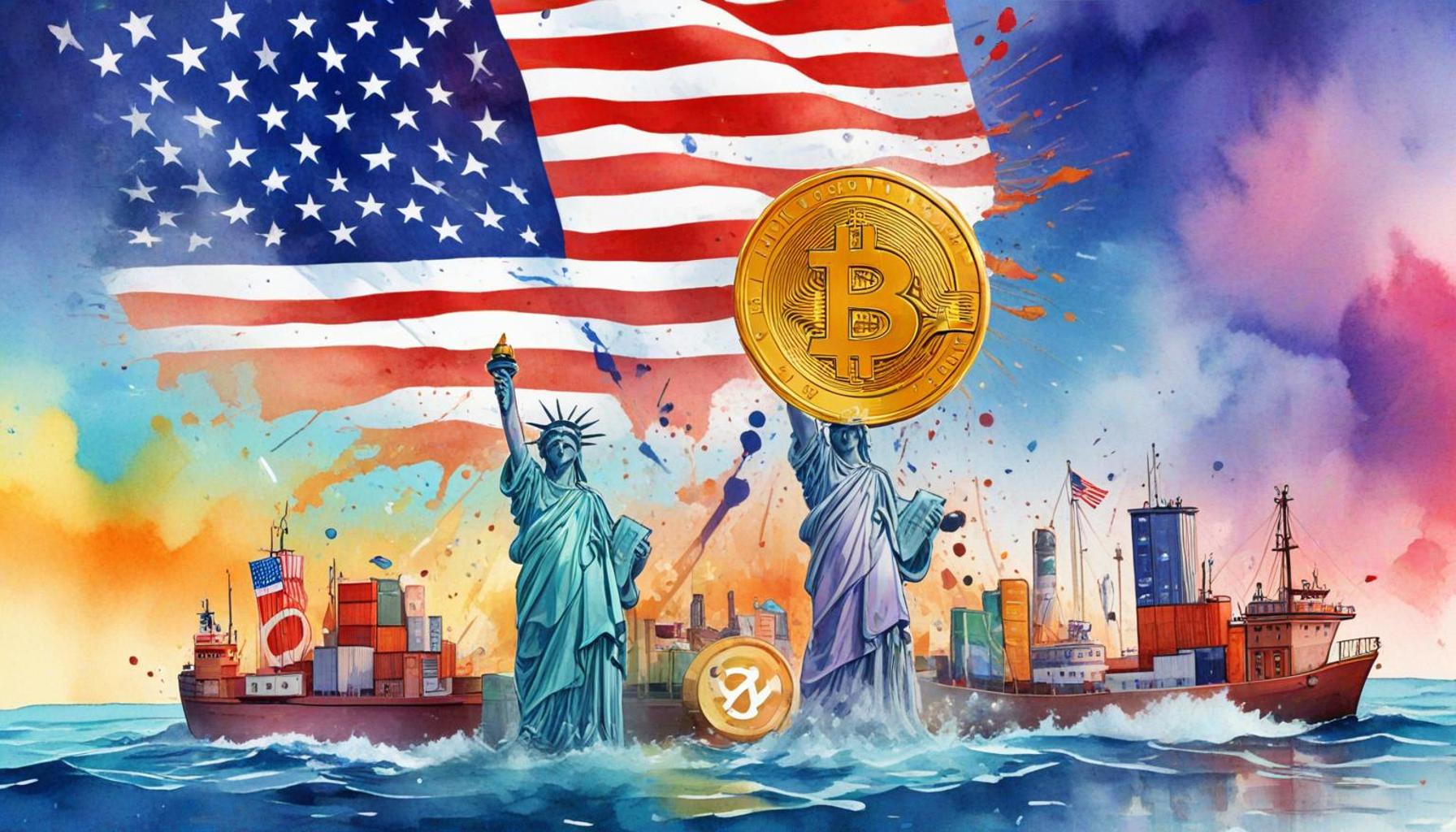
The Complexity of Geopolitical Influence
In today’s interconnected world, geopolitical events have the power to shape financial markets, impacting everything from stock prices to commodity values. The cryptocurrency market is no exception to this rule. Unlike traditional financial markets, the emergence of digital currencies has added new layers of complexity as they are not tied to any specific national economy or central bank. This independence, while valued for its decentralization, also makes cryptocurrencies particularly susceptible to external global influences. For US investors who include digital currencies in their financial strategies, understanding these dynamics is crucial.
Exploring Key Geopolitical Factors
- Regulatory Shifts: When nations alter regulatory frameworks concerning cryptocurrencies, it can lead to abrupt price changes. For example, when China announced a crackdown on cryptocurrency trading and mining in 2021, the market experienced significant volatility, reflecting the profound impact that regulatory changes can have globally.
- International Conflicts: Political tensions or armed conflicts often lead to economic uncertainty, prompting investors to seek safe-haven assets. While traditionally gold fulfills this role, there is growing interest in cryptocurrencies like Bitcoin, which some perceive as a digital alternative. However, market reactions can be unpredictable, sometimes leading to increased volatility.
- Economic Sanctions: Sanctions that restrict economic transactions can disrupt cryptocurrency markets by altering cross-border demand and supply. For instance, if a sanctioned country turns to cryptocurrencies to bypass traditional financial systems, the resulting increase in demand could drive up prices, although regulatory pushbacks are also likely.
Each of these elements can trigger a domino effect within the cryptocurrency market. For investors in the United States, staying informed about geopolitical developments is more than just a good practice; it’s an essential component of robust risk management and prudent investment strategy development. Tracking how cryptocurrencies reacted to past geopolitical events offers insights, helping investors to anticipate and hedge against future market perturbations. As the digital currency realm continues to evolve, its interplay with global politics remains a pivotal area for ongoing scrutiny and understanding.
SEE ALSO: Click here to read another article
The Role of Regulatory Changes in the US
In the cryptocurrency landscape, regulatory changes have emerged as one of the most significant geopolitical factors influencing market prices. In the United States, authorities are continually evaluating and updating regulations in response to the evolving nature of digital assets. The US Securities and Exchange Commission (SEC), the Commodity Futures Trading Commission (CFTC), and other regulatory bodies play pivotal roles in shaping the cryptocurrency market through compliance requirements and enforcement actions.
Key regulatory influence is often seen in the form of legislative proposals and enforcement actions targeting exchanges and initial coin offerings (ICOs). For instance, when the SEC announces investigations into cryptocurrency exchanges or ICOs, this can trigger reactions in the market, leading to fluctuations in prices due to uncertainty and concerns about future implications. Similarly, positive regulatory developments, like the approval of a new crypto-based exchange-traded fund (ETF), can bolster investor confidence, positively impacting prices.
- Taxation Policies: Changes in taxation related to cryptocurrency holdings and transactions also impact market behavior. Clarity surrounding how cryptocurrencies are taxed can lead to increased participation by institutional investors, thereby influencing demand and prices.
- Stablecoin Regulations: The increasing focus on stablecoins and their regulation affects the broader crypto ecosystem. As policymakers deliberate on classification and reserve requirements for stablecoins, resultant rules can impact their use in transactions and market stability.
- Cross-border Regulations: US policies regarding cross-border cryptocurrency transactions significantly affect market dynamics. Discussions around Anti-Money Laundering (AML) and Know Your Customer (KYC) compliance can hinder or facilitate international flow of digital assets, influencing their valuations.
The importance of regulatory developments cannot be overstated, as they provide a framework for the ongoing evolution and security of the cryptocurrency markets. For US investors, understanding the current regulatory climate and anticipating future changes can be instrumental in making informed investment decisions. Proactive engagement with policy developments not only helps mitigate risks but also positions investors to capitalize on emerging opportunities within the digital asset space.
Geopolitical Tensions and Their Influence
Geopolitical tensions can have a profound effect on cryptocurrency prices. The decentralized nature of cryptocurrencies may initially suggest resilience to international disputes, but historical patterns reveal a more complex interaction. During times of tension, such as the prospect of trade wars or diplomatic disputes, investor behavior tends to be driven by sentiment and market psychology, leading to unpredictable price changes. For instance, during heightened tensions with global trading partners, concerns about economic retaliations could lead to volatile swings in cryptocurrency markets as investors recalibrate their risk assessments.
While some investors seek safe-haven assets during geopolitical instability, considering cryptocurrencies as an alternative to more traditional assets like gold, the reality often showcases increased volatility as market perceptions shift. The crucial takeaway for US investors is to remain agile, leveraging geopolitical analyses to anticipate potential market movements. This involves diversifying portfolios and employing strategic risk management techniques to safeguard investments against geopolitical unpredictability.
CHECK OUT: Click here to explore more
The Influence of International Economic Policies
The international economic policies enacted by other governments can significantly impact the American cryptocurrency landscape, leading to shifts in digital asset prices. In particular, actions taken by major economies such as China, the European Union, and emerging markets like India hold substantial sway over global cryptocurrency dynamics. For example, when China announced measures to restrict cryptocurrency mining and trading, the global market experienced a sharp decline in prices. This incident underscores how policy decisions beyond US borders have cascading effects on the domestic cryptocurrency market.
Trade policy shifts can also affect cryptocurrency prices, as digital assets are often seen as alternatives to traditional fiat currencies. Changes in tariffs or trade agreements can lead US investors to seek alternative stores of value like cryptocurrencies. In times of economic uncertainty brought about by new trade policies, investors may turn to cryptocurrencies as a hedge against potential inflation or currency devaluation.
- Monetary Policy Intervention: When major central banks, such as the Federal Reserve, take actions like interest rate adjustments or quantitative easing, the impact is also felt in the crypto markets. Low interest rates often drive investors to explore high-yield assets like cryptocurrencies, inadvertently affecting their valuations.
- Foreign Currency Fluctuations: Changes in foreign exchange rates between the US dollar and other currencies can influence US crypto traders and investors. A strong dollar, for instance, might lead to decreased demand for cryptocurrencies, which are sometimes treated as a hedge against the weakening of traditional currencies.
- Global Economic Sanctions: Sanctions imposed by the US or other countries can also steer the global cryptocurrency agenda. In cases where nations face sanctions, there is often an uptick in cryptocurrency adoption as a way to bypass traditional financial systems. This change can influence crypto prices, reflecting the increased demand in sanctioned economies.
For US cryptocurrency investors, understanding international economic policies and their nuances is essential for predicting the ripple effects such policies might have on the domestic market. By monitoring international developments, investors can better anticipate market trends and adjust their strategies accordingly to optimize returns while minimizing risks. Remaining informed requires vigilance and a readiness to adapt to the fast-paced changes indicative of both digital asset markets and international relations.
The Role of Technological Advancements and Innovations
Technological advancements within the cryptocurrency sector tend to intersect with geopolitical events, influencing market prices in the US. Innovations such as decentralized finance (DeFi) protocols, blockchain interoperability solutions, and improvements in transaction scalability continue to drive market evolution. However, these technical improvements can also bring about regulatory scrutiny, particularly in landscapes that struggle to keep pace with rapid technological change.
Blockchain technologies that enhance security and transaction efficiency can also impact geopolitical perceptions of cryptocurrencies. For instance, increased adoption of blockchain for secure cross-border transactions can elevate cryptos to a preferred medium for international settlements, influencing global monetary flows and associated asset prices.
- Security Concerns: Cybersecurity breaches or hacks on a notable scale can provoke regulatory responses and influence investor confidence. Such concerns can lead to intensified scrutiny, affecting investor sentiment and, subsequently, market prices.
- Innovative Use Cases: The introduction of new applications, such as non-fungible tokens (NFTs) and metaverse-related assets, provides compelling opportunities yet introduces volatility due to evolving market perceptions and regulatory pressures.
US investors must stay abreast of these technological advancements while understanding the broader geopolitical context in which they operate. By aligning investment strategies with technological trends and innovations, investors can harness opportunities that arise from disruptive changes, potentially achieving lucrative outcomes despite geopolitical influences.
SEE ALSO: Click here to read another article
Conclusion
In conclusion, the intersection of geopolitical events and the cryptocurrency market presents a complex landscape that requires careful navigation by US investors. The intricate web of international economic policies, including trade agreements, monetary shifts, and global sanctions, constantly influences the American digital asset milieu. As these policies unfold, they not only direct investor behavior but also reflect in the dynamic valuations of cryptocurrencies. It is crucial for investors to remain vigilant, keeping an eye on international developments that could ripple through domestic markets, thereby optimizing their investment outcomes.
Moreover, technological advancements within the cryptocurrency realm add another layer of complexity, intertwining with geopolitical events to create volatile yet exciting opportunities. Innovations in areas like blockchain, decentralized finance, and new digital asset classes demand attention, as they can reshape market dynamics significantly. As cryptocurrencies continue to disrupt traditional financial systems, their appeal as alternative investment avenues grows, albeit with inherent risks exacerbated by regulatory uncertainties and security challenges.
Ultimately, US investors must not only stay informed about geopolitical shifts but also embrace a forward-thinking mindset that balances caution with a strategic approach to emerging technologies. By leveraging their understanding of both macroeconomic influences and technological trends, investors can better position themselves to capitalize on the unique opportunities that arise in this ever-evolving sphere. The journey within the cryptocurrency market, shaped by geopolitical events, is as much about adapting to changes as it is about embracing the potential for substantial financial returns.

James Carter is a financial writer and consultant with expertise in economics, personal finance, and investment strategies. With years of experience helping individuals and businesses navigate complex financial decisions, James provides practical insights and analysis. His goal is to empower readers with the knowledge they need to achieve financial success.