The Impact of Fiscal Policies on the Economic Recovery of the USA

Understanding Fiscal Policies and Their Impact
The journey to economic recovery in the USA is significantly influenced by fiscal policies. These policies, which involve government spending and tax decisions, play a critical role in shaping both immediate and long-term economic outcomes. One of the primary functions of fiscal policy is to manage economic growth by adjusting how much the government spends and how much tax it collects.
Understanding the impact of fiscal policies requires looking at several key elements:
- Government Spending: Investments in sectors like infrastructure, education, and healthcare can stimulate job creation. For example, when the government allocates funds for building new highways or bridges, this not only creates immediate construction jobs but also has a multiplier effect on the economy. Workers in these projects spend their wages at local businesses, which boosts the overall economic activity.
- Tax Policies: Adjustments to tax rates influence both consumer spending and business investment decisions. When the government reduces taxes, households typically have more disposable income, which encourages spending on goods and services. Similarly, lower taxes for businesses can lead to increased capital investment, enabling companies to expand operations, hire more staff, and innovate.
- Public Debt: The balance between spending and borrowing plays a crucial role in economic stability. While borrowing can provide immediate funds for necessary projects, excessive public debt can lead to higher interest rates and reduced investor confidence. It’s important for policymakers to strike a balance to ensure long-term economic stability without overburdening future generations.
Historically, fiscal policies have proven to be a key element during times of economic crises. For instance, during the 2008 financial crisis, the U.S. government enacted stimulus packages aimed at revitalizing a faltering economy. By providing financial support to industries and consumers alike, these measures were instrumental in steering the economy towards recovery. Similarly, the recent COVID-19 relief measures highlighted how timely fiscal responses can effectively mitigate downturns, providing direct payments to families, funding for small businesses, and enhancing unemployment benefits.
This article will explore how effective fiscal policies can harness economic growth, support businesses, and ultimately drive recovery in the USA. As challenges loom in the financial landscape ahead, understanding these concepts is essential for both navigating and anticipating the effects of government fiscal actions on everyday life and the broader economy.
Key Components of Fiscal Policy in Economic Recovery
To fully grasp how fiscal policies impact the economic recovery of the USA, it is vital to delve deeper into the specific components that influence economic conditions. These components provide a framework for addressing fluctuations in economic activity, particularly during crises. Understanding these elements can help citizens engage with economic discussions and comprehend the intentions behind government decisions.
- Counter-Cyclical Spending: A fundamental aspect of fiscal policy is counter-cyclical spending, which refers to the government’s strategy of increasing spending during economic downturns and decreasing it during periods of growth. This approach helps to cushion the negative effects of recessions and provides a boost to the economy. For example, during the economic slowdown caused by the COVID-19 pandemic, increased government spending on healthcare, direct payments to individuals, and support for struggling businesses played a crucial role in sustaining consumer demand and preventing a deeper recession.
- Social Welfare Programs: Social welfare programs funded by fiscal policies, such as unemployment insurance and food assistance, are essential during times of economic distress. These programs not only provide immediate relief to households but also serve to stabilize the economy as they inject money into the market. For instance, when unemployed individuals receive benefits, they are likely to spend that money on essential goods and services, thereby stimulating demand and helping local businesses to survive.
- Investment in Public Services: Government investments in public services, such as education and healthcare, create a more skilled workforce and improve public health outcomes. These investments can lead to long-term economic growth by ensuring that workers possess the necessary skills for emerging industries. For instance, increasing funding for vocational training can help bridge the skills gap in sectors facing labor shortages, thus fostering economic resilience and adaptability.
- Tax Incentives: Tax incentives are crucial tools that policymakers can utilize to motivate businesses and individuals to invest more in the economy. For example, deductions for research and development (R&D) expenses encourage companies to innovate, ultimately driving industry growth and job creation. A well-structured tax incentive can lead to a flourishing entrepreneurial environment that contributes to a quicker economic recovery.
Examining these components reveals that fiscal policies are not merely reactive; they are proactive measures designed to cultivate a stronger economy. By recognizing how government actions influence economic trends, individuals can better appreciate the intricate workings of fiscal policy and its vital role in recovery. Ultimately, a comprehensive understanding of these elements empowers citizens to engage in meaningful discussions about fiscal policy decisions and their potential impacts on their daily lives.
The Role of Federal Investment and Infrastructure Development
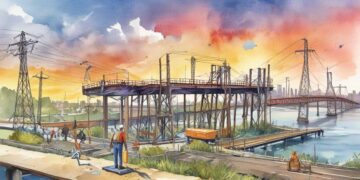
Another significant aspect of fiscal policy that influences the economic recovery of the USA is the focus on federal investment, particularly in infrastructure development. Investing in infrastructure—notably roads, bridges, public transit, and broadband—creates immediate jobs and stimulates other sectors of the economy. For example, when the government allocates funds for building or repairing highways, it not only provides construction jobs but also enhances transportation efficiency for businesses, which can lead to reduced operational costs and increased productivity in the long run.
- Job Creation: Infrastructure projects are labor-intensive and often require a diverse pool of skill sets, from laborers to engineers. This job creation is particularly crucial during economic downturns when unemployment rates tend to rise. For instance, during the American Recovery and Reinvestment Act of 2009, which aimed to combat the Great Recession, significant investment in infrastructure helped create millions of jobs, easing the financial burden for many families grappling with job loss.
- Long-Term Economic Stability: Investing in infrastructure extends beyond immediate job creation; it fosters long-term economic stability. Improved transportation networks and upgraded public facilities enhance overall economic efficiency, drawing businesses to invest in areas with modern infrastructure. Regions with strong infrastructure tend to attract higher levels of private investment, leading to more sustainable economic growth. A well-known example of this is how improved public transit systems in major cities can support local economies by making them more accessible to workers.
- Environmental Considerations: Modern fiscal policies are increasingly incorporating sustainability into infrastructure development. Investments in green infrastructure, such as renewable energy projects and energy-efficient public amenities, not only help combat climate change but also create new jobs in emerging sectors. Fiscal policies that prioritize environmental sustainability can generate a “green economy” that encourages innovation while addressing pressing social issues, ultimately contributing to economic recovery.
Another key area connected to fiscal policy is state and local government financing. Many economic recovery strategies come from the ground up, meaning that local governments play a pivotal role in implementing recovery efforts. They often have the flexibility to tailor initiatives to meet local needs, such as funding for small businesses or local unemployment benefits. For instance, state governments have been known to launch grant programs specifically aimed at helping local restaurants and retailers survive during challenging economic times, thereby preserving jobs and local economies.
The collaboration between federal, state, and local governments through coordinated fiscal policy can lead to a more robust recovery process. When these layers of government work together, they can pool resources more efficiently, ensuring that funds are allocated where they are most needed. An example of successful collaboration can be seen in the widespread implementation of the Paycheck Protection Program during the COVID-19 pandemic, which helped businesses retain employees by providing forgivable loans.
In summary, the integration of federal investment in infrastructure, along with the active participation of state and local governments, significantly enhances the overall impact of fiscal policies on economic recovery. When these strategies are employed effectively, they build a foundation for both short-term recovery and long-term economic prosperity.
Conclusion
In conclusion, fiscal policies play a crucial role in shaping the economic recovery of the USA. By strategically targeting investment in infrastructure and enabling flexible state and local initiatives, these policies create a robust framework for addressing both immediate challenges and long-term economic stability. The evident benefits of infrastructure spending, such as job creation and enhanced efficiency, highlight how targeted investments can provide a swift boost to struggling communities. Furthermore, the growing emphasis on sustainable practices in infrastructure development represents a forward-thinking approach that not only addresses today’s economic needs but also recognizes the importance of environmental stewardship for future generations.
Another essential aspect is the collaboration between federal, state, and local governments. This cooperation enables the pooling of resources and maximizes the effectiveness of recovery strategies, ensuring that aid reaches those who need it most. Programs like the Paycheck Protection Program serve as powerful examples of how coordinated efforts can help stabilize the economy during crises.
Ultimately, the effective implementation of fiscal policies not only lays the groundwork for recovery but also fosters resilience against future economic downturns. Continued focus on both immediate relief measures and long-term investments will empower the United States to emerge stronger and more adaptable in an ever-evolving global economy. In this way, fiscal policy can truly serve as a catalyst for sustained growth and prosperity.

James Carter is a financial writer and consultant with expertise in economics, personal finance, and investment strategies. With years of experience helping individuals and businesses navigate complex financial decisions, James provides practical insights and analysis. His goal is to empower readers with the knowledge they need to achieve financial success.