The Future of Renewable Energy: Trends Driving Sustainability in the U.S.
Embracing the Future of Energy
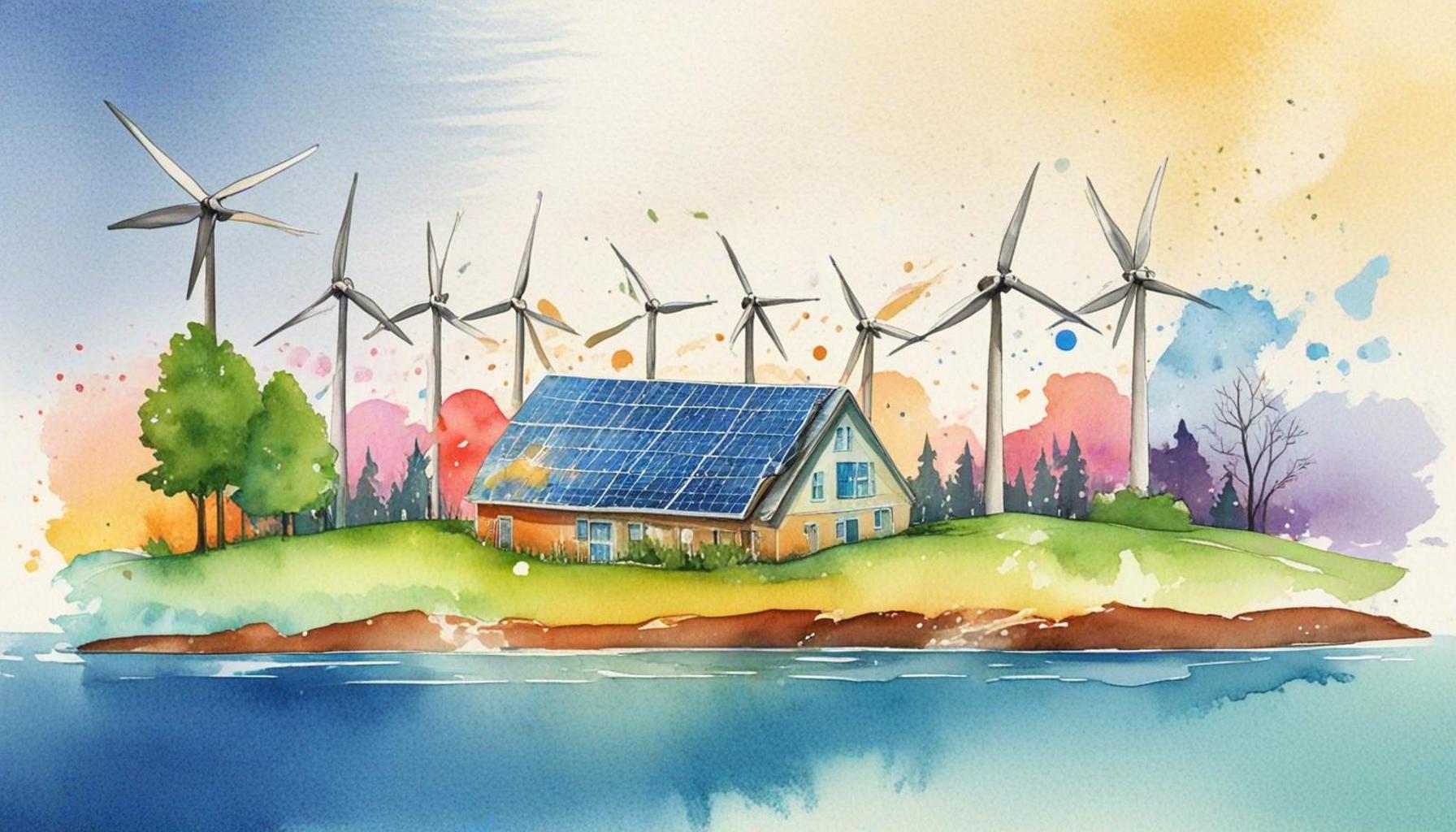
As we navigate this exciting era of change, the shift toward renewable energies signals not just a critical response to environmental challenges, but also an opportunity for a revitalized economy and community engagement. The emergence of renewable energy sources as our primary focus is being spurred by a wave of human ingenuity and an increasing commitment to sustainability. The United States stands at the forefront of this transformation, ready to implement innovative energy solutions that collectively contribute to a brighter future.
One of the most significant catalysts for this shift is technological advances. Breakthroughs in solar technology, such as improved solar panel designs and energy storage capabilities, have driven costs down and efficiency up. For example, the introduction of bifacial solar panels allows sunlight to be absorbed on both sides, maximizing electricity generation. Similarly, developments in offshore wind turbines have made harnessing wind energy not only feasible but also economically viable, leading to projects like the Vineyard Wind in Massachusetts, which is setting new standards for clean energy production.
On the policy front, government initiatives at both the federal and state levels are creating a supportive ecosystem for renewable energy. Programs such as the Investment Tax Credit (ITC) and numerous state-level rebates are encouraging households and businesses to invest in renewable installations. In places like California, aggressive renewable energy mandates challenge traditional energy sectors and promote the installation of solar panels on homes, significantly reducing dependency on fossil fuels. These policies highlight a clear commitment to a sustainable future while providing tangible benefits for citizens.
Moreover, there is a rising consumer demand for cleaner energy solutions. As awareness of climate change grows, people are increasingly advocating for energy sources that reduce carbon footprints. From college students organizing local sustainability initiatives to businesses prioritizing renewable energy for their operations, the impetus for change is palpable. This surge in demand for green solutions is propelling investments in renewable infrastructure, creating new job opportunities in fields like solar installation and energy efficiency consulting.
Ultimately, the shift to a green economy represents a remarkable intersection of environmental stewardship and economic revitalization. Investing in renewable energy promises both financial savings on energy bills and the creation of resilient job markets, reinforcing local economies while benefiting the planet. By transitioning to sustainable practices, individuals and businesses alike can play an integral role in fostering a healthier environment.
The moment to act is now. As we embrace this transition towards renewable energy, we must also realize our capacity to be agents of change. Every conscious choice we make—from utilizing energy-efficient technologies to supporting green policies—can contribute to a sustainable legacy for future generations. Together, we can illuminate the path toward a flourishing, sustainable future.
SEE ALSO: Click here to read another article
Innovative Approaches to Sustainable Energy
As we forge ahead into a future where renewable energy takes center stage, it is essential to examine the innovative approaches that are shaping this landscape. A multifaceted strategy combining advancements in technology, supportive policies, and heightened public awareness is driving transformation across the United States. These elements are not only propelling the shift to clean energy but also engaging communities in meaningful dialogue about sustainability.
Technological advancements are a cornerstone of this movement. The integration of smart grids and energy management systems is revolutionizing how energy is produced, distributed, and consumed. By utilizing real-time data analytics, these systems enable households and businesses to optimize their energy use, ultimately leading to reduced waste and lower energy costs. Additionally, the evolution of electric vehicles (EVs) has spurred interest in the installation of charging infrastructure that is aligned with renewable energy sources, further reinforcing the interconnectedness of sustainable technologies.
Furthermore, renewable energy sources are becoming more accessible thanks to various incentives and financing options. For instance, community solar projects allow multiple households to invest in a single solar array located off-site, making solar energy available to renters and those unable to install panels on their own properties. These programs are not just democratizing access to clean energy but also fostering a sense of community ownership and cooperation in the pursuit of sustainability.
Public awareness plays a pivotal role in driving the renewable energy agenda. Educational campaigns aimed at highlighting the impacts of climate change and the benefits of clean energy are motivating citizens to take action. Initiatives such as Earth Day celebrations and local workshops on energy efficiency are empowering individuals to make informed choices about their energy consumption. This collective consciousness is translating into a greater demand for clean energy options, prompting utilities to innovate and expand their offerings.
To summarize the driving forces behind renewable energy’s surge in the U.S., consider the following trends:
- Technological advancements: Smart grids and energy-saving solutions improve efficiency.
- Accessible financing: Community solar projects open doors for more households to participate.
- Public engagement: Increased awareness leads to higher consumer demand for renewable energy solutions.
The convergence of these trends is not just transforming the energy landscape but also redefining our roles as consumers and stewards of the planet. It is within our grasp to champion these changes, make sustainable choices in our daily lives, and embrace the opportunity to contribute to a greener, more resilient future. As we continue to advocate for and invest in renewable energy, we sow the seeds for lasting change that benefits not only our wallets but also the well-being of future generations and the health of our planet.
SEE ALSO: Click here to read another article
Policy Support and Collaborative Efforts
In addition to technological advancements and public awareness, policy support and collaborative efforts are fundamental in accelerating the transition to renewable energy in the United States. Governments at various levels are taking proactive steps to promote clean energy through legislation, incentives, and investment in infrastructure that prioritizes sustainability. This essential groundwork empowers businesses and individuals alike, creating a robust framework for a greener future.
A significant aspect of policy support is the implementation of renewable energy mandates and regulations. States such as California and New York have set ambitious goals to transition to 100% clean energy by 2045 and 2050, respectively. These mandates serve as a powerful signal to the market, fostering investment in renewable technologies and encouraging companies to innovate in order to meet these targets. Furthermore, federal policies, including tax credits and grants for renewable energy projects, promote further development and adoption. The Investment Tax Credit (ITC) and the Production Tax Credit (PTC) are prime examples of effective financial incentives that have stimulated solar and wind energy installations across the U.S.
Collaboration also plays a vital role in advancing renewable energy efforts. Public-private partnerships are emerging as key players in furthering the sustainability agenda. Governments, utilities, and private companies are joining forces to develop large-scale renewable projects and share responsibilities in research, development, and funding. Initiatives like the Solar Energy Innovation Network bring together stakeholders from various sectors to harness technology and share best practices for efficient solar energy deployment while enhancing local economies.
The integration of community engagement in these collaborative efforts is equally crucial. Local governments and organizations are increasingly working with residents to create energy efficiency programs that reflect individual community needs. For instance, energy co-ops allow members to collectively invest in renewable projects, such as wind or solar farms, while also sharing the benefits of the energy produced. This sense of ownership not only fosters appropriateness of energy solutions but helps to cultivate a culture of sustainability that permeates communities, encouraging individuals to make conscious choices for a sustainable lifestyle.
Advancing renewable energy will also require focused efforts toward research and development in emerging technologies. Investment in next-generation technologies such as offshore wind, advanced battery storage, and green hydrogen is pivotal in transitioning away from fossil fuels. Governments and private investors alike are recognizing the potential of these innovations to not only address energy needs but also create jobs and stimulate economic growth. In particular, battery storage systems that can store excess energy generated during peak production hours are essential for increasing the reliability and resilience of renewable energy sources.
As we look toward the future, it is clear that collaborative action combined with robust policies will be instrumental in driving the renewable energy agenda. The journey to a cleaner and more sustainable energy landscape is not just a collective responsibility; it is an opportunity for every American to play a role in shaping the future. By advocating for public policies, engaging in community initiatives, and supporting innovations in energy technology, we can all contribute to the momentum needed to make renewable energy a dominant force in the U.S. energy sector.
SEE ALSO: Click here to read another article
Looking Ahead: Empowering a Sustainable Tomorrow
The trajectory of renewable energy in the United States is bright and filled with potential. As we reflect on the key trends discussed, it becomes evident that technology innovation, policy support, and collaborative efforts are converging to shape a new energy landscape that prioritizes sustainability. These dynamics not only provide the backbone for transitioning from fossil fuels but also hold the promise of creating a resilient economy rooted in clean energy. The ambitious goals set by states clearly signal a commitment to groundbreaking changes that empower both individuals and communities.
However, it is crucial to recognize that the future of renewable energy is not solely the responsibility of policymakers or corporations; it is a shared endeavor that requires participation from every American. By actively engaging in local initiatives, supporting renewables in our day-to-day choices, and advocating for responsible policies, each one of us can be a catalyst for change. The fulfillment of our collective vision for a sustainable future lies in our ability to integrate these values into our financial decisions, ensuring that we not only pursue economic growth but also prioritize environmental stewardship.
As we navigate this journey, let us embrace the opportunities that renewable energy presents. Together, we have the power to drive the transformation needed to ensure that clean energy is not just a fleeting trend but a lasting legacy for generations to come. The road ahead may be challenging, but it is also filled with hope, innovation, and an unwavering commitment to sustainability. The time to act is now—let’s harness this momentum and lead the charge toward a greener, more sustainable future for all.

Beatriz Johnson is a seasoned financial analyst and writer with a passion for simplifying the complexities of economics and finance. With over a decade of experience in the industry, she specializes in topics like personal finance, investment strategies, and global economic trends. Through her work on Centralismo, Beatriz empowers readers to make informed financial decisions and stay ahead in the ever-changing economic landscape.