Smart Homes: The Future of American Living
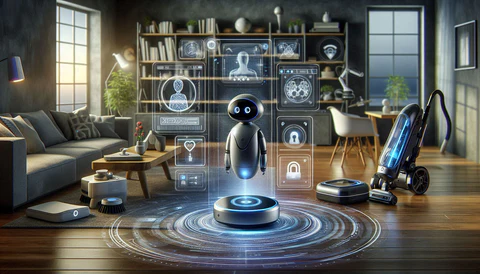
Embracing the Smart Home Revolution
Imagine stepping into your home, and with a single voice command, the lights adjust to your preferred brightness, the thermostat sets the ideal temperature, and your favorite music begins to play. This is not a scene from a futuristic movie; it is the functionality offered by today’s smart home technology. As innovation continues to drive our daily lives, the shift towards automated living spaces is gaining momentum, providing features that cater to comfort and efficiency.
The allure of a smart home lies in the rich tapestry of advantages woven into its design. The concept encompasses a myriad of devices and functionalities, each enhancing the overall living experience. For instance, consider the **remote control** capability that allows users to manage home appliances from virtually anywhere. With apps available for smartphones and tablets, homeowners can activate coffee machines, adjust lighting, and even preheat ovens right from their commute. The convenience factor is undeniable, as it grants users the flexibility to tailor their environments on the go.
Next, let’s talk about **energy efficiency**. One of the most significant benefits of smart home technology is its ability to conserve energy, which not only helps the environment but also leads to substantial cost savings. Smart thermostats, such as those from Nest or Ecobee, learn your habits and optimize heating and cooling to suit your routine, reducing energy consumption by up to 15%—a considerable amount when factors like utility bill inflation are taken into account. Similarly, smart lighting systems allow users to schedule when lights turn on and off, adapt to natural light fluctuations, and even provide reminders to turn off unused lights, further contributing to energy efficiency.
Another prominent feature is **enhanced security**. The integration of smart cameras, doorbell systems, and alarm sensors provides homeowners with real-time monitoring capabilities and alerts. For example, Ring and Arlo systems allow homeowners to receive notifications if movement is detected outside, and they can view live feeds from their front door cameras straight from their smartphones. This level of vigilance offers peace of mind that traditional security measures simply cannot match.
As the market for smart home technology skyrockets, predicted to reach a figure as staggering as $174 billion by 2025, it’s evident that American households are keen on embracing these innovations. Companies are continuously introducing new devices that seamlessly connect and communicate—a phenomenon often termed the **Internet of Things (IoT)**. This interconnectedness opens doors to unprecedented convenience and control over our domestic environments.
Understanding these advancements is essential, not just for lifestyle enhancement but also for potential **financial savings**. As smart home systems become more prevalent, the opportunity to reduce costs in energy bills and enhance property safety cannot be overstated. By exploring the offerings within the smart home sphere, homeowners can identify products that not only suit their preferences but also align with their financial goals.
As we venture deeper into the world of smart homes, the possibilities seem endless. Technology evolves rapidly, and staying informed about these changes will empower you to make educated decisions on implementing smart solutions in your own living space.
Unlocking the Benefits of Smart Home Technology
As we delve deeper into the smart home phenomenon, it becomes increasingly clear that the integration of technology into our living spaces is redefining the American lifestyle. Homeowners are not only drawn to the convenience but also the vast array of options available to maximize their living environment.
At the heart of the smart home experience is the ability to foster a lifestyle that aligns with individual preferences. A key element is the customization of appliances and available features tailored to specific needs. The beauty of smart technology lies in its flexibility—homeowners can choose a range of devices that work synergistically within their homes. Here are a few notable categories of smart devices gaining traction:
- Smart Speakers: Devices like Amazon Echo and Google Nest offer voice-activated control, allowing users to interact with their smart home systems hands-free.
- Smart Appliances: Refrigerators that monitor inventory, ovens that can be preheated via a smartphone app, and washing machines that can allocate energy use based on peak times represent a revolution in how we manage household chores.
- Smart Security Systems: Beyond cameras and alarms, smart locks provide keyless entry, while motion sensors can alert homeowners to potential intruders, integrating seamlessly to create a comprehensive security solution.
- Smart Energy Management: Devices like smart plugs and energy monitors help households keep track of their energy usage, providing insights that lead to more informed decisions about consumption.
This customizable approach doesn’t just enhance daily life; it prepares homeowners for the future as well. Innovations in technology promise ongoing improvements that can transform any home into a highly personalized environment. As manufacturers compete to attract consumers, we can expect increasingly sophisticated integrations and functionalities that cater to evolving needs.
Moreover, the financial impact of these smart devices cannot be overlooked. Although the upfront investment in smart home technology may be daunting for some, many of these systems are designed with long-term savings in mind. Take, for example, smart thermostats. Beyond reducing energy waste, studies indicate that households utilizing such technology can save an average of $180 annually on heating and cooling costs. Over the lifespan of a typical thermostat, these savings can far exceed the initial purchase price.
In addition, smart appliances often come with tracking capabilities that help homeowners assess their energy consumption habits. By providing data on usage peaks and helping to identify areas where savings can be achieved, intelligent energy management can lead to further reductions in utility bills. As smart features continue to expand, homeowners can expect to unlock even greater savings potential.
As we explore these advancements, it’s essential to consider not only the immediate comforts they provide but also their implications for the future of American living. By investing in smart home technologies, occupants are not merely enjoying enhanced convenience; they are also laying the groundwork for sustainable and financially savvy living spaces. The age of the smart home is marked by opportunities that extend beyond what meets the eye, merging technology with practicality—and the possibilities are only just beginning to unfold.
CHECK OUT: Click here to explore more
Enhancing Safety and Efficiency: The Smart Home Advantage
In addition to comfort and energy efficiency, smart home technology is revolutionizing safety and security for American homeowners. With the increase in home automation, individuals can now manage their household’s safety from almost anywhere in the world through mobile applications. This level of connectivity provides peace of mind, especially for those who travel frequently or lead busy lifestyles.
One of the most compelling features that smart technology brings to home security is the ability to receive real-time updates and alerts. Smart cameras, like those offered by Ring or Arlo, allow homeowners to monitor their property remotely, view live feeds, and even communicate with visitors via two-way audio. These devices can send alerts if motion is detected, allowing homeowners to act swiftly should any potential risks arise. In fact, a study by the Consumer Technology Association revealed that 28% of U.S. homeowners have reported feeling safer since installing smart security systems.
The integration of smart smoke detectors and carbon monoxide alarms further enhances home safety. Devices like Nest Protect not only issue loud alerts but also send warnings directly to residents’ smartphones, ensuring that homeowners can respond quickly to emergencies—even while at work or on vacation. This blend of technology and safety can be invaluable in averting disasters.
Beyond safety concerns, smart home technology also promotes efficiency through intelligent systems that optimize routine tasks. Smart irrigation systems, for instance, assess weather conditions and moisture levels in the soil to determine the optimal watering schedule, preventing overuse and saving water. According to the EPA, households that use smart irrigation systems can reduce their outdoor water use by up to 50%.
Moreover, the rise of smart home ecosystems is enabling seamless integration of various devices to create an optimized living experience. Smart hubs, like Samsung SmartThings or Apple HomeKit, can connect multiple devices, allowing them to work together for enhanced functionality. For instance, a homeowner can set their smart thermostat to adjust the temperature when they lock their smart door, ensuring the home is comfortable upon arrival while maximizing energy efficiency.
As the market continues to expand, the potential for innovation in smart home technology is boundless. An increasing number of insurance companies are recognizing the benefits of smart home devices, offering discounts on premiums for homes equipped with advanced safety features. According to a survey by Porch.com, approximately 72% of smart home device users reported lower insurance premiums because their homes are equipped with smart security systems.
Moreover, the financial implications extend beyond insurance savings. Many cities and states are beginning to incentivize homeowners to adopt energy-efficient technologies. Programs offering rebates for the installation of smart thermostats and solar energy systems are becoming more commonplace. Homeowners can thus enjoy substantial financial returns while contributing to a greener future.
With a host of benefits ranging from enhanced safety to significant cost savings, smart home technology presents an exciting frontier for American living. As innovations continue to push the boundaries of what is possible, it’s imperative for homeowners to stay informed and prepared to embrace these transformations, ensuring they are well-positioned to reap the rewards that accompany a connected lifestyle.
SEE ALSO: Click here to read another article
Looking Ahead: The Future of Smart Homes
As we stand on the brink of a new era in domestic living, the transformative impact of smart home technology is undeniably profound. From enhanced safety features that provide unparalleled peace of mind to energy-efficient solutions that promise significant cost savings, the advantages are compelling. With the integration of advanced technologies, American homeowners are empowered to take control of their living spaces like never before.
However, the journey toward fully-realized smart homes brings about important considerations. Homeowners must remain vigilant about data privacy and cybersecurity as connectivity increases. Furthermore, understanding the potential financial implications can guide individuals in making informed decisions. While savings on insurance premiums, as reported by 72% of smart device users, are enticing, long-term investments in smart technologies can lead to ever-greater savings in energy and maintenance costs.
The smart home landscape is evolving rapidly, influenced by innovations in artificial intelligence and machine learning. As cities promote the adoption of eco-friendly systems through rebates and incentives, homeowners stand to benefit not only financially but also environmentally. Therein lies the opportunity—for individuals to embrace sustainability while enjoying modern conveniences.
In conclusion, smart homes represent an exciting evolution of American living, blending technology with everyday life to foster efficiency, security, and convenience. As we move forward, the onus is on homeowners to explore these advancements, investigate their options, and actively participate in shaping a connected, safer, and more sustainable future.

Beatriz Johnson is a seasoned financial analyst and writer with a passion for simplifying the complexities of economics and finance. With over a decade of experience in the industry, she specializes in topics like personal finance, investment strategies, and global economic trends. Through her work on Centralismo, Beatriz empowers readers to make informed financial decisions and stay ahead in the ever-changing economic landscape.