
How to Evaluate the Profitability of a Mutual Fund
This article guides investors on assessing mutual fund profitability through key performance metrics and qualitative factors. It emphasizes the importance of historical returns, expense ratios, management experience, and investment strategies, helping investors align their choices with financial goals and risk tolerance for informed investment decisions.

Differences between passive and active investments
Active investing involves frequent trading and market timing to seek higher returns, but it carries higher risks and costs. In contrast, passive investing emphasizes a long-term approach with lower fees and steadier growth, making it suitable for risk-averse investors. Consider personal goals and risk tolerance when choosing a strategy.

Step by step to start investing in stocks
Investing in stocks can build wealth over time, though it may seem daunting. A structured approach—defining goals, understanding market basics, assessing risk tolerance, and utilizing technology—can empower new investors. Effective asset allocation and diversification further mitigate risks and enhance returns for long-term success.

How to Create an Effective Emergency Fund
Building an emergency fund is essential for financial stability. This process involves saving three to six months of expenses, setting clear savings goals, and choosing accessible high-yield accounts. Consistent contributions and regular evaluations of your financial situation will help maintain this safety net and empower you during unexpected challenges.

Strategies to Save on Tax Payments
This article explores effective tax-saving strategies for individuals and businesses, highlighting deductions, credits, and retirement contributions. It emphasizes the importance of tailored approaches based on unique financial situations while encouraging proactive planning and professional guidance to optimize tax liabilities and enhance financial stability.

The Gig Economy: Technology’s Role in Shaping New Models of Work
The gig economy is transforming work dynamics through technology, offering flexibility and opportunities for financial growth while presenting challenges like income instability and lack of benefits. As workers adapt to this evolving landscape, understanding and leveraging technological tools becomes essential for success and financial stability in gig roles.

The Evolution of Remote Work: How Technology is Transforming the American Workforce
The American workforce is undergoing a significant transformation as remote work becomes mainstream, driven by technological advancements and changing employee preferences. This evolution enhances productivity, increases job satisfaction, and offers organizations substantial cost savings, urging companies to adapt their strategies for a diverse and dynamic workforce.

Blockchain Beyond Cryptocurrency: Potential Impacts on American Supply Chains
Blockchain technology is transforming American supply chains by enhancing traceability, efficiency, and security. It enables real-time data sharing, reduces costs, and improves compliance, while fostering collaboration among stakeholders. This innovation promises to reshape logistics and operations significantly, addressing challenges and paving the way for greater accountability in various sectors.

The Role of AI in Shaping the Future of American Healthcare
The integration of AI into American healthcare is transforming patient care and operational efficiency, enabling predictive analytics, personalized medicine, and enhanced telemedicine. While promising significant cost savings, it also raises ethical concerns regarding data privacy and potential job displacement, highlighting the need for balanced implementation and robust safeguards.
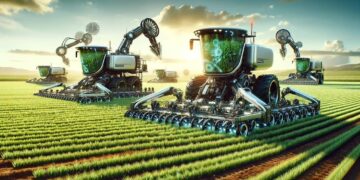
The Future of Food Tech: Innovations Reshaping U.S. Agriculture
The agricultural landscape in the U.S. is rapidly transforming through technological advancements. Innovations like precision agriculture, lab-grown meat, and biotechnology enhance food sustainability and productivity. These advancements not only address food security but also create economic opportunities, shaping a resilient future for farming and food production.