Investments in commodities in the USA: opportunities in times of energy crisis.
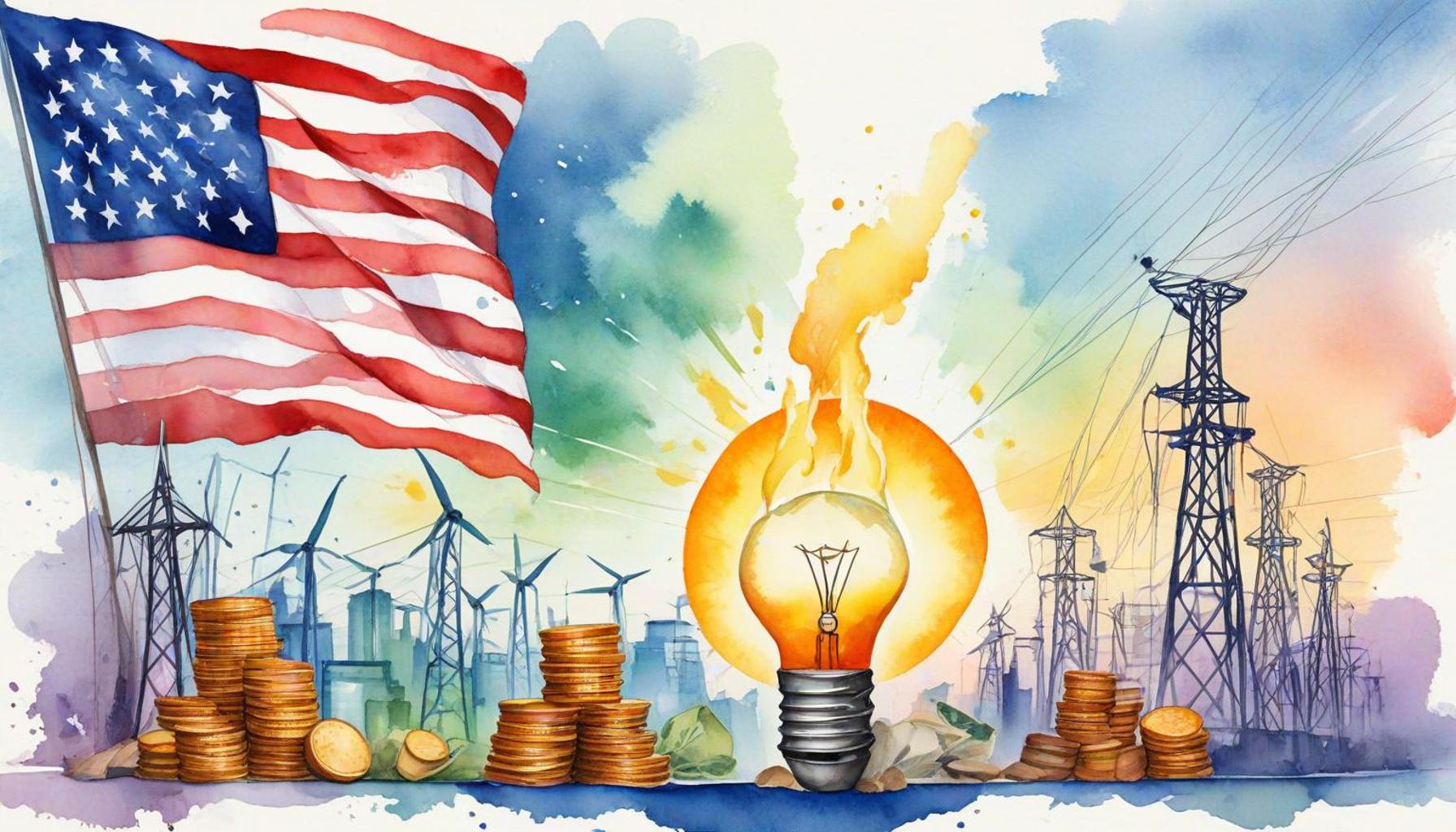
In times of energy crises, the financial markets often experience heightened volatility and uncertainty, making it crucial for investors to seek out diverse investment opportunities. One prominent area that emerges during such periods is the commodities market, especially those tied to the energy sector like oil, natural gas, and coal. These commodities offer unique opportunities for investors in the United States, enabling them to both hedge against potential risks and potentially profit from market fluctuations.
Key Influences on Commodity Prices
Investing in energy-related commodities requires an understanding of the factors that drive their prices. One of the principal influences is supply and demand. For instance, if there is an unexpected disruption in the supply chain, perhaps due to a natural disaster affecting oil rigs in the Gulf of Mexico, prices can surge due to reduced supply. Likewise, rising demand from countries like China and India can drive prices upward as these nations expand their industrial capacities.
Geopolitical tensions also play a significant role in commodity pricing. Regions like the Middle East, which is a major oil producer, often face political instability or conflicts that can threaten supply chains, thereby increasing market volatility. Investors must stay informed about global political climates to anticipate potential impacts on commodity investments.
Furthermore, technological advancements can dramatically alter the investment landscape. Innovations such as hydraulic fracturing, or fracking, have revolutionized natural gas production in the United States, increasing supply and impacting global prices. Similarly, breakthroughs in renewable energy technologies could reduce reliance on traditional energy sources, thereby influencing the demand for fossil fuel-based commodities.
Investment Strategies in Commodities
Investors looking to capitalize on the opportunities presented by commodities have several strategic options. Futures contracts are popular, allowing investors to lock in prices for future purchases or sales, providing a mechanism to speculate on price movements. This can be particularly beneficial during periods of anticipated high volatility.
Exchange-Traded Funds (ETFs) offer another avenue, giving investors exposure to a diversified portfolio of commodities. This approach minimizes risk compared to investing in a single commodity and provides liquidity, as ETFs are traded on major exchanges like stocks.
Some investors might opt for direct investments in physical commodities. While this strategy can offer a more tangible asset, it often comes with higher transaction and storage costs, making it less practical for individual investors. Alternatively, investors could consider investing in stocks of companies involved in the energy sector, such as oil drilling firms or renewable energy companies, which could also provide indirect exposure to commodity price changes.
Commodities as a Hedge Against Inflation
Historically, commodities have been used as a hedge against inflation and currency devaluation, making them an attractive option during energy crises. As the cost of living increases, the value of tangible assets like commodities tends to rise, preserving wealth. This counteracts the eroding purchasing power of money, which is a common concern during economic instability.
Overall, an in-depth understanding of commodity market dynamics and the forces shaping them is essential for investors aiming to optimize their returns. By leveraging the insights into supply and demand trends, geopolitical developments, and technological innovations, investors in the United States can better navigate the intricate world of commodity investments during energy crises.
The Role of Commodities in Global Finance
Commodities form the backbone of the global economy, providing the essential raw materials necessary for modern life and industry. From driving machinery with petroleum products to fueling human nutrition with crops, commodities are central to both economic growth and social development. In times of energy crises, the commodities market becomes a focal point for financial strategies, reflecting shifts in demand and supply dynamics that can carry substantial implications for investors worldwide.
Within the commodities market, understanding the breadth of available investment assets is vital. In the energy sector alone, there are several key commodities that shape the market landscape:
- Crude Oil: Known as the cornerstone of global economic activity, crude oil’s importance cannot be overstated. It is susceptible to price fluctuations driven by factors such as production quotas set by the Organization of the Petroleum Exporting Countries (OPEC), geopolitical tensions, advancements in automotive technology, and consumption trends in major economies like China and India. The impact of shale oil innovations, particularly in the United States, adds another layer of complexity to supply considerations.
- Natural Gas: The United States stands as a significant player in the natural gas market, largely due to breakthroughs in hydraulic fracturing and horizontal drilling. These technologies have unlocked vast reserves, reshaping the global market. Natural gas prices are influenced not only by production levels but also by weather patterns, energy transitions towards greener alternatives, and storage capacities. The increasing role of liquefied natural gas (LNG) also underscores its importance in international trade.
- Coal: Despite being overshadowed by renewable energy sources, coal continues to be a vital energy source for electricity generation, particularly in countries undergoing industrialization. However, global initiatives aimed at reducing carbon emissions have led to a decline in coal’s share of the energy mix. Economic considerations, such as cost vs. environmental impact, are continually reshaping coal’s role in the energy sector.
Investors looking to navigate the commodity market must develop a nuanced understanding of these factors and how they affect strategic investment decisions.
Impact of Policy and Regulation on Commodity Markets
Government interventions are a pivotal factor influencing commodity markets. Policies can change the course of markets by altering production incentives, restricting emissions, or encouraging consumption of particular energy forms. For example, the United States’ move towards increased production of renewable energy has the potential to significantly impact fossil fuel markets. Legislations like tax incentives for solar and wind energy, emission reduction commitments, and infrastructure investments for electric vehicles are reshaping investor interests and expectations.
For investors, staying attuned to regulatory environments is crucial. Regulatory changes can redefine market landscapes by introducing new risks or creating opportunities for financial gain. For instance, regulations aimed at increasing energy exports, such as approvals for LNG terminals, can open new markets for producers, while environmental laws may impose additional operational costs or limit resource availability.
By closely watching governmental policy shifts, investors can identify ways to hedge against adverse effects or to capitalize on emerging trends. This proactive approach is essential for safeguarding investments and optimizing portfolio returns in the ever-evolving commodity market. Understanding both domestic policy initiatives and international agreements is critical for a comprehensive investment strategy.
In conclusion, the commodity market presents a wealth of opportunities and challenges, demanding a sophisticated grasp of both market mechanics and policy impacts. For U.S. investors, capitalizing on these dynamics requires a keen insight into domestic production capabilities and regulatory frameworks. By maintaining vigilant and adaptive strategies, investors can effectively navigate the complexities of the global commodities market.
Opportunities in Renewable Energy and Emerging Commodities
The shift towards renewable energy is not just a regulatory focus; it’s also a fertile ground for investment amidst traditional energy market volatility. With the United States aiming to achieve significant reductions in carbon emissions, investments in commodities tied to renewable energy technologies offer growth potential that aligns with these national goals. These commodities, which include rare earth elements, lithium, and copper, play critical roles in the production of batteries, wind turbines, and solar panels.
Rare Earth Elements: These minerals, crucial for manufacturing high-tech devices and green technologies, present a strategic investment opportunity. Despite China’s dominance in the rare earth market, the U.S. is making strides to boost domestic production capacity. Investors can explore companies involved in the extraction and processing of these elements as the demand for clean energy and technology solutions continues to grow.
Lithium: As the backbone of battery technology, particularly for electric vehicles and energy storage solutions, lithium’s significance is heightened by the global energy transition. The U.S. holds substantial lithium reserves, and developing extraction technologies presents both a challenge and an opportunity. Investment in lithium mining or companies that focus on battery innovation can be lucrative as nations push for electrification and resilience in power infrastructure.
Copper: Known for its excellent conductivity, copper is indispensable for electrical wiring and renewable energy systems. The increased adoption of electric vehicles and the expansion of solar and wind energy grids accelerate demand for copper. Investors might consider mining companies or futures contracts related to copper as an integral part of their commodity portfolios.
Technological Innovations and Commodity Investments
Technological advancements not only in extraction processes but also in trading platforms are transforming the commodity investment landscape. The adoption of artificial intelligence (AI), machine learning, and blockchain technology is enhancing trading efficiency and transparency. These tools can assist investors in making more informed decisions by providing deeper market analytics and reducing transactional overhead.
AI and Machine Learning: In commodities trading, leveraging AI and machine learning enhances predictive accuracy and trading strategies. Algorithms analyze historical data and identify patterns, enabling traders to anticipate price fluctuations and optimize portfolio allocations. Investors who integrate AI-driven insights can gain a competitive edge by responding swiftly to market changes.
Blockchain Technology: Blockchain offers potential improvements in supply chain transparency and security, which are paramount in commodities trading. It ensures traceability and authenticity, particularly vital for rare and precious metals. While still an emerging application, blockchain could revolutionize contracts and transactions in the commodities market by reducing fraud and speeding up settlements.
Investors keen on tapping into these technological advancements can seek partnerships with fintech firms or invest in commodities-focused technology solutions. Furthermore, by staying engaged with the evolving tech landscape, they can anticipate shifts in market structures and adapt their strategies accordingly.
Overall, the intersection of renewable energy needs and technological progress presents a dynamic landscape for U.S. investors. By focusing on both emerging commodities crucial to clean energy transitions and technological innovations in trading, investors can craft a diversified and forward-looking strategy. As these trends develop, they reveal promising avenues for investment, even amid an ongoing energy crisis.
Conclusion: Strategic Pathways in Energy Commodity Investment
The current energy crisis in the United States serves as a pivotal moment for investors seeking to navigate the complexities of the commodities landscape. As the nation advances towards a future that emphasizes sustainability and innovation, commodities linked to renewable energy and technological progress offer substantial opportunities. By diversifying portfolios to include rare earth elements, lithium, and copper, alongside the integration of advanced technologies like AI and blockchain, investors can position themselves advantageously in the evolving market dynamics.
A key takeaway for investors is the importance of aligning investments with both market trends and regulatory policies emphasizing a reduction in carbon emissions. By focusing on commodities that support renewable energy infrastructure, investors are not just ensuring potential returns but also contributing to a broader environmental goal. Emerging technologies further augment these opportunities, aiding in efficient resource extraction and enhancing trading processes, ultimately leading to more robust investment strategies.
Additionally, the growing emphasis on energy independence and sustainability suggests that the commodities market will continue evolving, offering a landscape ripe for transformative investments. U.S. investors should consider leveraging domestic capacities and partnerships to capitalize on these trends. Strategic investments in this context not only mitigate the risks associated with energy volatility but also pave the way for participating in a more resilient and future-ready economy.
As the nation grapples with current energy challenges, the confluence of renewable energy needs and technological innovation presents an opportunity to redefine investment approaches. With a forward-looking strategy focused on these emerging avenues, investors can achieve both economic and ecological returns, making a significant impact amid an ongoing energy transformation.

James Carter is a financial writer and consultant with expertise in economics, personal finance, and investment strategies. With years of experience helping individuals and businesses navigate complex financial decisions, James provides practical insights and analysis. His goal is to empower readers with the knowledge they need to achieve financial success.