How to protect personal information in banking transactions
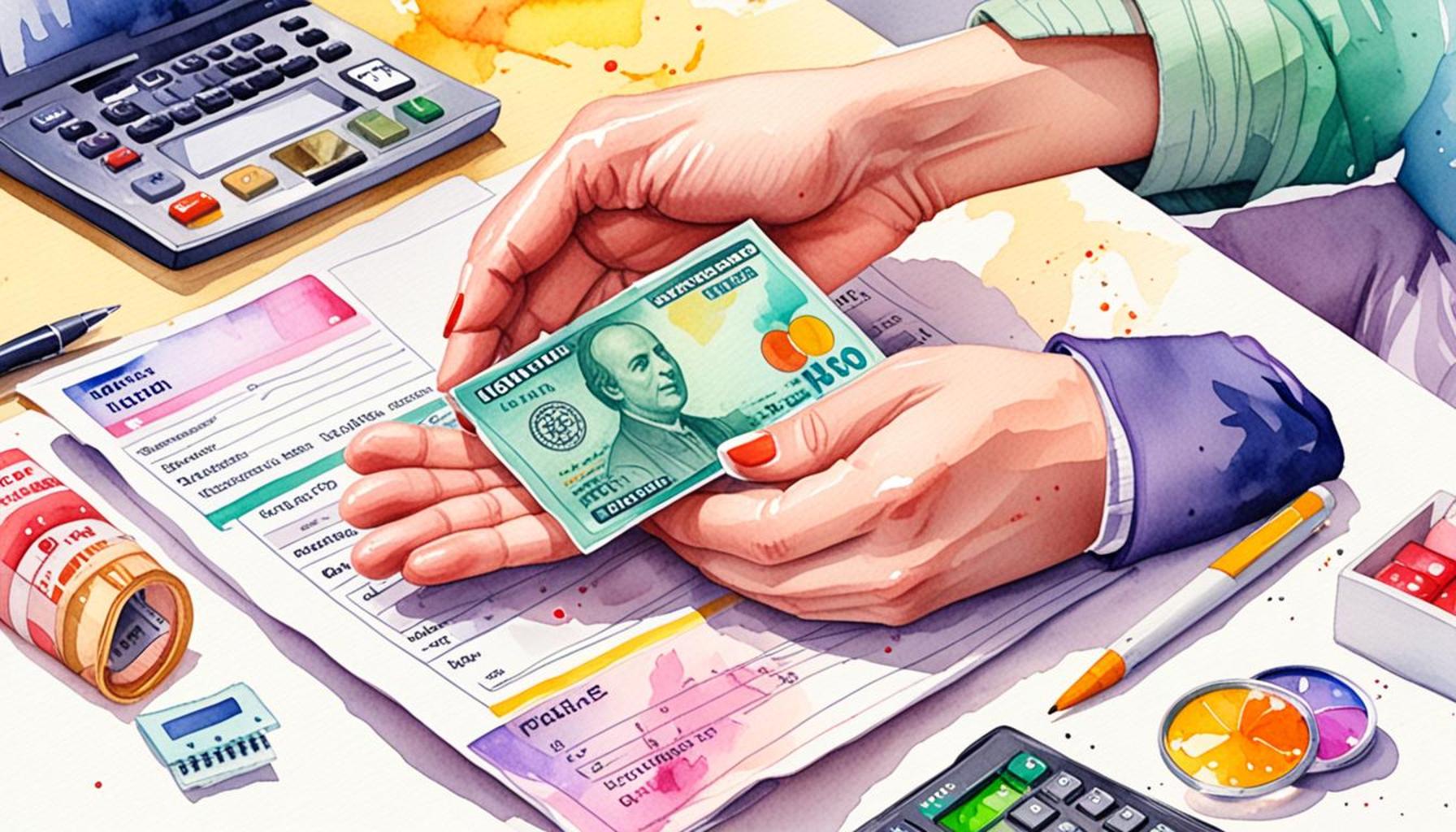
Importance of Safeguarding Personal Information in Banking Transactions
With the rapid growth of online banking and mobile payment options, ensuring the security of personal financial information has never been more critical. The financial landscape has transformed dramatically, enabling consumers to manage accounts, transfer funds, and pay bills from virtually anywhere. However, these advancements have also heightened the risks of data breaches and fraud. According to a report by Verizon, nearly 30% of data breaches in their dataset involved the financial sector, underscoring the need for robust protective measures.
Key Strategies for Protecting Sensitive Information
To effectively safeguard your personal information during banking transactions, consider the following key strategies:
- Utilize strong passwords: It is essential to create complex passwords that are both unique and difficult to guess. Combine uppercase and lowercase letters, numbers, and special characters. For example, rather than a simple password like “123456,” consider using something more complex, such as “B@nking2023!Secure.” Additionally, changing your passwords regularly can further enhance security.
- Enable two-factor authentication: This additional layer of security provides significant protection against unauthorized access. For instance, banks often send a one-time code to your registered mobile number or email when you attempt to log in. Even if a hacker obtains your password, they would still need the second factor of authentication, effectively blocking them from accessing your account.
- Monitor account activity: Regularly reviewing bank statements and transaction history is crucial in identifying suspicious activity early. Consumers should set up alerts for large transactions or changes to account settings. Most banks offer mobile notifications that can inform you instantly of such changes, enabling swift action if fraudulent activity is detected.
- Be cautious with public Wi-Fi: Public Wi-Fi networks, such as those found in cafes or airports, can expose users to significant cybersecurity risks. It is advisable to avoid accessing banking information or making transactions over these unsecured networks. If necessary, consider using a Virtual Private Network (VPN) to create a secure connection.
- Educate yourself on phishing scams: Phishing scams are a common method used by fraudsters to steal personal information. Familiarize yourself with the signs of phishing attempts, such as unsolicited emails requesting sensitive information or containing suspicious links. Always verify the sender’s email address and refrain from clicking on links that seem suspicious. Reporting such scams can also help protect others in the community.
Conclusion
Implementing these protective measures can significantly enhance your security and help safeguard your financial interests. In an age where data breaches are increasingly common, understanding potential vulnerabilities and actively working to counter them is essential. By remaining vigilant and adopting a proactive approach to financial security, consumers can navigate the digital banking landscape confidently, ensuring their personal and financial data remain secure.
SEE ALSO: Click here to read another article
Essential Practices for Securing Personal Information in Banking Transactions
As our financial lives become increasingly intertwined with technology, the protection of personal information during banking transactions has never been more vital. The rise of online banking has ushered in numerous conveniences, such as 24/7 account access and mobile banking applications, but it has also increased the risk of financial fraud. To counteract these risks, it is crucial for individuals and institutions to adopt stringent security measures. Below are several essential practices that can significantly enhance the security of personal financial data.
- Regularly Update Software: One of the most effective methods to bolster security is to maintain updated software. Operating systems and applications frequently release updates that rectify security flaws and vulnerabilities that are often targeted by cybercriminals. For example, in 2021, a vulnerability in Microsoft Exchange Server was exploited widely due to unpatched systems. To safeguard yourself, enable automatic updates on all devices, ensuring that you always operate with the most secure versions available.
- Use Secure Websites: It is critical to transact on secure websites; this acts as the first line of defense when banking online. Always look for URLs that begin with “https://” instead of “http://”. The presence of “s” indicates that the site employs SSL (Secure Sockets Layer) certificates, which encrypt your data during transmission. Furthermore, take caution when entering personal information on unfamiliar sites; always verify the legitimacy of the website, for instance, by checking for customer reviews and the site’s physical address.
- Limit Personal Information Sharing: In an age of social media, being mindful about the personal information you share is crucial. Cybercriminals can exploit details from seemingly innocuous social media posts to craft targeted phishing attacks. For instance, sharing your pet’s name or the name of your high school could serve as the answer to a security question. Adjust privacy settings on social platforms to minimize the visibility of your personal data, restricting access to trusted contacts only.
- Utilize Security Questions Wisely: Security questions are commonly employed by banks for account verification, but they can be vulnerable if the answers are easily guessable. Select answers that are not readily available online or through social media. For example, instead of using your mother’s maiden name, consider opting for a more obscure reference or phrase that only you would understand. This minimizes the risk of unauthorized access to your account.
- Secure Your Devices: Protect all devices used for banking with robust security measures. Ensure that reputable antivirus software is installed to fend off malware threats, which can compromise your banking information. In the U.S., it is not uncommon for financial institutions to offer additional security features, such as two-factor authentication, which adds an extra layer of protection. Utilizing biometric security options, like fingerprint recognition or facial scanning, offers sophisticated methods to secure devices, making unauthorized access more difficult.
By implementing these essential practices, individuals can significantly enhance the security of their personal information during banking transactions. A proactive approach to safeguarding your financial data not only reduces the likelihood of becoming a victim of fraud but also encourages trust and confidence in the overall banking experience. As the digital landscape continuously evolves, staying informed about new threats and adopting effective security measures will remain a critical element in protecting personal financial information.
SEE ALSO: Click here to read another article
Advanced Strategies for Safeguarding Financial Data
As digital banking continues to evolve, so do the tactics employed by cybercriminals. It is essential for consumers to adopt advanced strategies that go beyond the basic security practices. Understanding these more nuanced methods can play a significant role in minimizing the risk of unauthorized access to personal and financial information.
- Monitor Account Activity Regularly: Proactive monitoring of bank accounts is crucial to identify any suspicious transaction patterns. Studies show that consumers who regularly check their account statements are more likely to detect fraud earlier, which can mitigate losses. Financial institutions often provide alerts for transactions, and consumers should take advantage of these notifications, enabling immediate responses to unauthorized activity.
- Implement Strong Password Management: Passwords serve as the first line of defense for online banking accounts, yet many individuals still rely on weak, easily memorizable passwords. Utilize a passphrase or a combination of upper and lowercase letters, numbers, and special symbols to create a strong password. Additionally, consider using a password manager to store and generate complex passwords securely. This reduces reliance on memory while enhancing security by using unique passwords for different accounts.
- Embrace Multi-Factor Authentication (MFA): This measure significantly reinforces account security by requiring two or more verification steps before granting access to an account. After entering a password, a user may also have to input a one-time code sent via text or email. According to the Cybersecurity & Infrastructure Security Agency (CISA), adopting MFA can thwart nearly 99.9% of account compromise attempts. Therefore, it is highly advisable to enable this feature whenever available, particularly for sensitive transactions.
- Be Aware of Phishing Scams: Phishing remains one of the most efficient methods cybercriminals use to obtain personal information. In the United States, the Federal Trade Commission noted a significant rise in phishing attacks targeting banking information. Clients should be skeptical of unsolicited emails or messages that request personal information and always verify the source before responding. Hovering over links can reveal the URL destination, allowing users to check if they lead to legitimate sites.
- Utilize Virtual Private Networks (VPNs): When accessing financial accounts over unsecured public Wi-Fi networks, such as cafes or airports, employing a VPN adds an additional layer of encryption. It ensures that data transmitted over these less secure networks is shielded from interception. With the increased use of remote work practices, VPNs have become a necessary tool to secure sensitive transactions away from private networks.
- Review Privacy Settings Periodically: It is essential to regularly revisit and adjust the privacy settings on financial applications and platforms. This may include limiting the amount of personal information visible to third parties or adjusting settings related to data sharing. Being aware of the privacy policy of financial institutions, including how data is collected, stored, and used, can provide additional peace of mind and facilitate informed choices regarding information security.
Incorporating these advanced strategies into everyday banking habits can substantially enhance the safeguarding of personal information. It is essential for consumers to remain vigilant and informed as new threats emerge in the digital banking landscape. By utilizing a holistic approach to financial security, individuals can significantly reduce the risk of unauthorized access and maintain control over their private information.
SEE ALSO: Click here to read another article
Conclusion
In a world where digital banking is prevalent and increasingly sophisticated, the imperative to protect personal information during banking transactions has never been more critical. Cyber threats are becoming more advanced, necessitating a proactive approach from consumers to safeguard their financial data. By integrating a multitude of security practices into everyday banking, individuals can substantially mitigate risks and enhance their overall safety.
Key strategies such as regularly monitoring account activity, employing strong password management, and utilizing multi-factor authentication (MFA) are foundational steps that can greatly deter unauthorized access. Furthermore, maintaining vigilance against phishing scams and taking advantage of virtual private networks (VPNs) when using public Wi-Fi equips consumers with the tools necessary for safeguarding their sensitive information. Periodic review of privacy settings across financial platforms also ensures that users maintain control over what personal data is shared and with whom.
As the financial landscape continues to evolve, consumer awareness and education are paramount. By embracing these multifaceted security measures, individuals will not only enhance their defenses against potential breaches but also gain greater confidence in managing their finances securely. In doing so, they ensure a robust safeguard of their personal information, ultimately contributing to a more secure digital banking environment for all.

Beatriz Johnson is a seasoned financial analyst and writer with a passion for simplifying the complexities of economics and finance. With over a decade of experience in the industry, she specializes in topics like personal finance, investment strategies, and global economic trends. Through her work on Centralismo, Beatriz empowers readers to make informed financial decisions and stay ahead in the ever-changing economic landscape.