How Automation is Affecting the Job Market and the Economy

Implications of Automation on the Labor Market
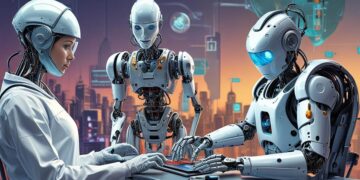
The integration of automation technologies across various sectors has ignited a transformation in the workforce landscape. Developed countries, including the United States, are witnessing this evolution as advancements in artificial intelligence (AI), robotics, and data analytics reshape traditional job roles. The effects of these changes extend beyond simple job displacement and encompass wider economic implications that merit serious consideration.
Key Trends Related to Automation
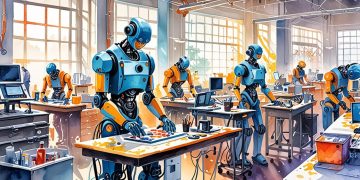
- Job Displacement: Automation has resulted in the decline of several roles, particularly those in manufacturing and administrative support. For example, automated assembly lines in manufacturing plants have led to a decreased need for manual laborers, while chatbots have begun to handle routine customer inquiries, replacing roles in customer service.
- Job Creation: Conversely, the rise of automation is generating new professions geared towards technology. Fields such as cybersecurity, software development, and data analysis are burgeoning. The U.S. Bureau of Labor Statistics projects that jobs in these areas will grow significantly, driven by businesses’ needs to enhance their technological capabilities.
- Skill Shifts: As the demand for skilled workers rises, routine manual and low-skill jobs are being phased out. Employers are increasingly seeking candidates with advanced training in technical skills or higher education credentials. Consequently, many workers will need to upskill or reskill to remain competitive in the job market.
Wider Economic Implications
- Increased Productivity: Automation significantly boosts productivity as machines and AI systems can operate continuously, leading to greater output at lower costs. For instance, businesses adopting automated logistics systems have noted improved delivery times and reduced operational costs.
- Wage Pressure: As jobs in less skilled positions diminish, there is a risk of wage stagnation for the remaining roles that require minimal skills. This trend may disproportionately affect workers in sectors such as retail and food service, where competitive pressures from automation can suppress wages.
- Economic Disparities: Regions that depend heavily on traditional industries are likely to face economic challenges during this transition. For example, areas with a strong manufacturing base may experience higher unemployment rates if workers are unable to pivot to emerging roles in technology-driven sectors.
In conclusion, the rise of automation offers unprecedented opportunities for efficiency and innovation while simultaneously presenting formidable challenges for the workforce and broader economy. As we navigate this transformative landscape, stakeholders—including businesses, government, and educational institutions—must collaborate to provide access to retraining programs and educational resources. This comprehensive approach is vital for equipping workers with the necessary skills to thrive in an increasingly automated future.
SEE ALSO: Click here to read another article
Understanding the Dynamics of Automation in Employment
The impact of automation on the job market is profound and multifaceted. As businesses increasingly turn to automated solutions to enhance efficiency and cut costs, the nature of work is evolving rapidly across various industries. According to a report by McKinsey Global Institute, up to 800 million global jobs could be displaced by automation by 2030, highlighting the urgency with which society must address this transition. Various factors contribute to this shift, each with significant ramifications for both the workforce and the economy.
Disruption of Traditional Job Roles
- Manufacturing and Retail Sectors: Historically, manufacturing has been at the forefront of automation, with machines performing tasks ranging from assembly to quality control. In the United States, this trend is evident in the automotive sector, where robotic systems have revolutionized production lines. Similarly, in retail, self-checkout kiosks and inventory management systems are reducing the need for cashiers and stock clerks.
- Administrative Functions: Job roles that involve routine administrative tasks are increasingly susceptible to automation. Software applications now manage scheduling, data entry, and document processing, which were once performed by human employees. This shift poses a considerable challenge for those in clerical positions, as their roles may be rendered obsolete if they do not adapt to new technologies.
- Healthcare Improvements: Interestingly, automation in healthcare does not solely signify job loss; instead, it can lead to the creation of advanced roles. For instance, telemedicine and AI diagnostics streamline patient care, enabling healthcare professionals to focus on strategic, high-value tasks. While some lower-skill medical jobs may vanish, there is an emerging need for specialists to manage and interpret automated systems.
Impact on Workforce Skills and Education
The rapid pace of automation necessitates a reevaluation of the skill sets required in the job market. As employers increasingly prioritize advanced technical abilities, workers must navigate a landscape where continuous learning and adaptability become paramount. The World Economic Forum estimates that by 2025, over half of all employees will require significant reskilling. In response, education and workforce development programs must not only focus on traditional academic qualifications but also emphasize technical training and soft skills that facilitate collaboration with emerging technologies.
Furthermore, the burden of reskilling does not fall solely on educational institutions; businesses also play a vital role. Many companies are investing in employee training programs, recognizing that a flexible and knowledgeable workforce is essential for remaining competitive in a rapidly changing environment. Initiatives aimed at fostering lifelong learning can help bridge the gap between current workforce capabilities and the needs of future industries.
In summary, automation is reshaping the job market in ways that necessitate a proactive approach from all stakeholders involved. By understanding the dynamics of job displacement and creation, as well as the emerging skill requirements, society can better prepare for the inevitable changes on the horizon.
CHECK OUT: Click here to explore more
Economic Implications of Automation
Automation is not only reshaping job roles but is also having a significant impact on the broader economy. The integration of automated systems offers businesses the potential to enhance productivity, reduce operational costs, and ultimately increase profitability. However, these advantages come with a set of challenges and economic considerations that warrant careful examination.
Productivity Gains and Economic Growth
One of the most compelling arguments in favor of automation is its ability to drive productivity. Increased productivity can amplify economic growth, as businesses are able to produce more goods and services at a lower cost. A study by the Brookings Institution noted that investments in automation technologies have historically resulted in productivity increases that translate into higher GDP growth rates. For example, sectors that have widely adopted automation, such as manufacturing and logistics, have experienced significant growth, contributing positively to the national economy.
Moreover, productivity improvements often spur innovation, which can lead to the creation of entirely new markets and job opportunities. As companies expand their capabilities through automation, they may seek to innovate additional products or services, leading to new positions that did not previously exist. For example, the rise of e-commerce has galvanized demand for warehouse automation, logistics management, and data analysis roles, balancing out some of the jobs lost in retail.
The Challenge of Job Displacement
Despite the potential for economic growth driven by automation, the phenomenon also raises concerns about job displacement. As certain roles are automated, workers may find themselves at risk of unemployment or underemployment, particularly in industries with a high concentration of routine tasks that are easily replaceable by machines. The Economic Policy Institute has projected that lower-wage workers are more vulnerable to automation, with disproportionate effects on communities that rely heavily on traditional manufacturing jobs.
This transition presents a dilemma for policymakers, who must grapple with the dual imperative: stimulating economic growth while mitigating the adverse effects on the workforce. As such, a comprehensive approach is paramount, encompassing policies that support displaced workers, such as unemployment benefits, retraining programs, and career transition services.
Income Inequality and the Future of Work
Moreover, automation has the potential to exacerbate income inequality. Those workers who possess the necessary skills to thrive in a technology-driven economy will likely see increased wages, while those who lack such skills may face stagnant or declining incomes. A report from the National Bureau of Economic Research indicates that as automation continues to evolve, the wage gap between highly skilled and low-skilled workers is expected to widen, resulting in a more polarized labor market.
To address these concerns, targeted investments in education and vocational training are essential. Initiatives aimed at providing access to tech-focused education can equip workers with the skills required to succeed in emerging job markets. Furthermore, policies that promote inclusive growth—such as increasing the minimum wage or implementing universal basic income—may offer pathways to mitigate the negative impacts of automation on economically vulnerable populations.
In essence, while automation stands as a catalyst for economic growth and increased productivity, it simultaneously poses challenges that must be addressed through a collaborative effort among businesses, educational institutions, and policymakers. Maintaining a balance between harnessing the benefits of automation and protecting the workforce will be essential for fostering a resilient and equitable economy.
CHECK OUT: Click here to explore more
Conclusion
Automation represents a profound shift in the job market and the economy, driving both significant opportunities and challenges. As businesses harness automated technologies to improve efficiency and productivity, they are also transforming traditional employment landscapes. The potential for increased economic output and innovation is substantial; however, it is coupled with the pressing issue of job displacement, particularly among low-wage workers and those employed in sectors most susceptible to automation.
As the gap between high-skilled and low-skilled workers widens, income inequality is becoming a critical concern that demands immediate attention. The risk of economic polarization underscores the necessity for targeted policies aimed at facilitating workforce transitions, promoting access to education, and fostering inclusivity in economic growth. Investments in retraining and vocational programs can empower workers to adapt to emerging roles, enabling them to thrive in an evolving job market.
Ultimately, the implications of automation extend beyond the workplace; they encompass broader economic patterns that can influence societal well-being. Policymakers, educational institutions, and business leaders must collaborate to create a resilient framework that embraces technological advancements while safeguarding the workforce. By proactively addressing the economic dynamics of automation, we can harness its potential to drive sustainable growth, ensuring that the benefits are broadly shared across all segments of society.

Linda Carter is a writer and financial expert specializing in personal finance and financial planning. With extensive experience helping individuals achieve financial stability and make informed decisions, Linda shares her knowledge on the Centralismo platform. Her goal is to provide readers with practical advice and strategies for financial success.