
The Impact of Interest Rates on the American Family Economy
Fluctuating interest rates significantly influence the American family economy, affecting mortgage payments, credit card debt, savings, and budgeting. Families must adapt their financial strategies to manage increased costs while leveraging opportunities for better savings. Staying informed about these trends is essential for financial stability and long-term planning.

Impacts of Cryptocurrencies on the American Economy: What to Expect?
The emergence of cryptocurrencies is transforming the American economy by enhancing financial transactions, creating new investment opportunities, and promoting economic inclusion. As digital currencies gain traction, they are reshaping payment systems, fostering innovation, and providing access for the unbanked, while necessitating thoughtful regulation to maximize benefits and mitigate risks.
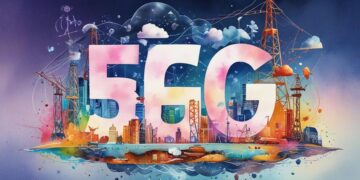
How 5G Can Transform the Economy and Financial Markets
The emergence of 5G technology represents a pivotal moment in the evolution of global communication networks. With its promise of transformative capabilities, 5G is set to revolutionize multiple sectors, with profound implications for the economy and financial markets.

How the sharing economy is affecting the markets
The emergence of the sharing economy has fundamentally reshaped the landscape of markets, particularly in the United States. This innovative model emphasizes access over ownership, allowing consumers to obtain goods and services without the necessity of having to purchase them outright. As a result, we are witnessing a significant shift in consumer behavior, business practices, and even regulatory frameworks.

Investment Strategies for Times of Economic Volatility
In today’s complex financial landscape, investors must navigate through unpredictable market dynamics, particularly during periods of economic uncertainty. Such conditions can stem from various factors, including geopolitical tensions, fluctuations in commodity prices, or global pandemics.

The challenges of digitalization for traditional banks
The financial sector is witnessing a paradigm shift as digital transformation becomes a crucial driver for competitiveness and customer satisfaction. Traditional banks, characterized by their long-standing history and established practices, are now confronted with pressing challenges that threaten their market position.
The role of the Internet of Things (IoT) in the economy
The emergence of the Internet of Things (IoT) signifies a pivotal moment in the technological landscape, characterized by an interconnectivity among myriad devices that enhances operational capabilities across various sectors. As of 2023, it is estimated that there are over 15 billion IoT devices globally, a number that is expected to reach 30 billion by 2030.
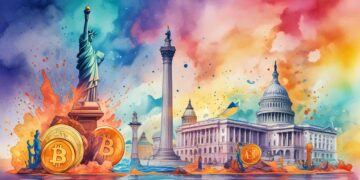
The impact of government regulations on cryptocurrencies
The surge in cryptocurrency adoption has rapidly transformed the financial ecosystem, presenting both opportunities and challenges for participants. As digital currencies gain traction, government regulations have emerged as a vital component in shaping the landscape of this asset class.

The impact of interest rates on the real estate sector
One of the most direct ways in which interest rates influence the real estate sector is through mortgage costs. As interest rates rise, the cost of borrowing increases, leading to higher monthly mortgage payments for prospective homebuyers.

How Digital Banks Are Changing People’s Relationship with Money
The emergence of digital banks marks a pivotal transition in the financial sector, ushering in an era where traditional banking methods are increasingly supplemented or replaced by technology-driven solutions.