
How to Turn Hobbies into Sources of Extra Income
Discover how to monetize your hobbies by identifying your skills and interests. With strategic planning, effective marketing, and community engagement, you can turn passions into profitable ventures, enhancing both your financial stability and personal fulfillment along the way. Embrace the journey of transforming your hobbies into income sources.

Strategies to Balance Fixed and Variable Income in the Portfolio
This article explores effective strategies for balancing fixed and variable income in investment portfolios. It emphasizes the importance of asset allocation, rebalancing, diversification, income generation, and tax considerations to optimize returns and manage risks, ultimately guiding investors toward achieving financial stability and growth.
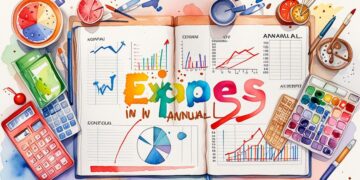
How to Plan Annual Expenses in a Balanced Way
Effective financial management is essential for individuals seeking stability. By categorizing expenses, utilizing budgeting tools, and implementing strategies like the 50/30/20 rule, one can achieve balanced spending. Prioritizing needs, building an emergency fund, and leveraging discounts promote sustainable financial health and support long-term goals.

The Effect of Monetary Policy on Interest Rates and Economic Growth in the US
This article explores the significant impact of monetary policy on interest rates and economic growth in the US. It examines how the Federal Reserve's strategies influence borrowing costs and economic activity, highlighting challenges like time lags and liquidity traps that can limit effective growth stimulation. Understanding these dynamics is crucial for informed economic decisions.

The Impact of Inflation on Family Economics: Strategies to Face Financial Challenges
In today’s inflationary economy, families face significant financial challenges due to rising costs. Adapting spending habits, prioritizing essential expenses, and enhancing financial literacy are crucial strategies. By building a safety net and navigating budgets flexibly, households can successfully manage their finances and maintain stability during economic fluctuations.

Tips for Managing Taxes on Extra Income
Understanding how to manage taxes on extra income is essential for financial success. The article highlights various income sources, the importance of accurate reporting, and effective strategies to optimize deductions and credits, ensuring compliance and minimizing tax liabilities while maximizing overall financial returns.

How to choose banking services that meet real needs
Choosing banking services involves understanding your financial goals, evaluating service features, and analyzing fees. A thorough assessment of your financial situation helps identify the best options that align with your needs, enabling a partnership that supports your financial journey effectively. Prioritizing convenience and low costs will enhance your banking experience.

The Evolution of the Housing Sector and its Reflection on the American Economy
The housing sector's evolution mirrors the American economy, shaped by economic cycles, technological advancements, and societal trends. Issues like affordability and the rise of remote work are redefining housing preferences, while innovative models like co-housing and tiny homes emerge to address challenges, highlighting the sector's critical role in economic health.

Common mistakes in relationships with banks and how to fix them
This article highlights common banking mistakes and offers solutions for improving financial relationships. Key errors include ignoring account terms, neglecting to monitor transactions, and poor communication with bank representatives. By staying informed and using available resources, customers can enhance their banking experience and achieve better financial stability.

The Role of Financial Education in the Economic Stability of Families in the USA
Financial education is vital for the economic stability of families in the USA. It enhances budgeting skills, debt management, and investment awareness, leading to reduced financial stress and improved quality of life. By prioritizing financial literacy, families can build resilience, secure their futures, and contribute positively to their communities.