Autonomous Vehicles: The Future of Transportation in American Cities
Transforming Urban Living
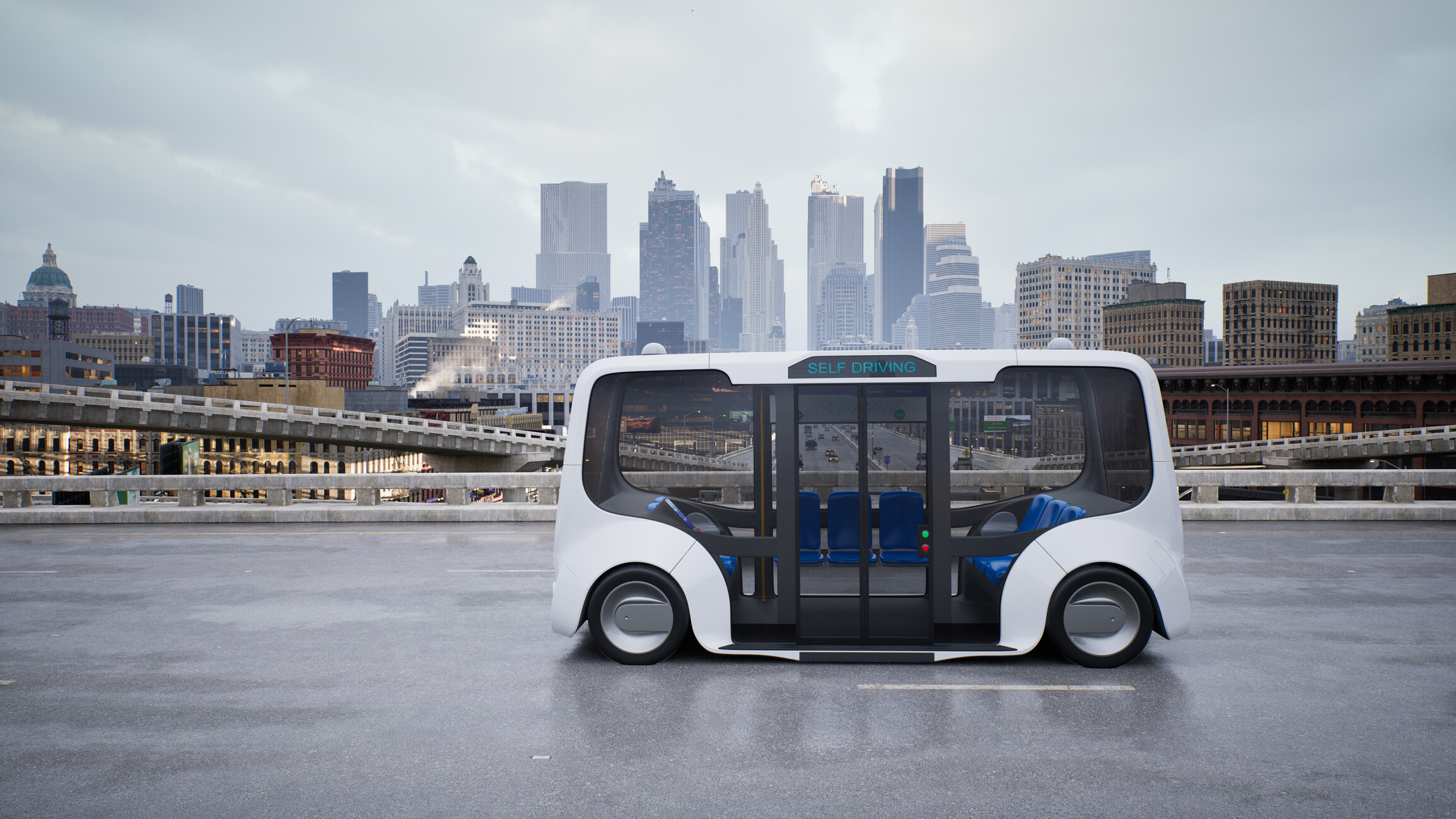
The emergence of autonomous vehicles is not just a technological advancement; it represents a monumental shift in how we think about urban infrastructure and daily commuting. These self-driving vehicles, powered by sophisticated algorithms, are designed to make transportation more intuitive and user-friendly, thus encouraging cities across the United States to embrace a new model of mobility.
Impact on Traffic Dynamics
One of the most significant advantages of autonomous vehicles is the potential for reduced traffic congestion. By utilizing smart routing systems and vehicle-to-vehicle communication, self-driving cars can adapt to real-time traffic conditions, resulting in fewer traffic jams. For instance, if a fleet of autonomous vehicles detects congestion ahead, they can automatically reroute themselves, effectively distributing traffic across less-traveled streets. This technology could be particularly beneficial in dense urban areas like New York City or Los Angeles, where gridlock is commonplace. Moreover, studies suggest that as much as 30% of urban traffic is caused by vehicles looking for parking; with autonomous cars circulating until needed, this burden could be alleviated dramatically.
Enhancing Safety
The safety implications of autonomous driving cannot be overstated. The statistic that 94% of accidents can be attributed to human error highlights a crucial area where self-driving technology can make a decisive impact. Autonomous vehicles are equipped with advanced sensors, cameras, and machine learning capabilities that can detect obstacles, gauge distances, and react faster than a human driver ever could. This could significantly lower accident rates and fatalities on busy highways and residential streets alike. For example, companies like Waymo and Tesla are already conducting extensive trials that show promise in reducing crashes and improving overall traffic safety.
Economic Advantages
Beyond improving safety and traffic flow, the financial implications of widespread autonomous vehicle adoption are noteworthy. With the elimination of the need for personal vehicle ownership, residents, particularly in urban settings, can enjoy cost savings on expenses such as maintenance, fuel, and insurance. Research indicates that car ownership can cost an average of $9,000 per year, including payments, upkeep, and insurance. In a world where ride-sharing platforms utilize autonomous technology, users could instead rely on on-demand services charged by the ride. Consequently, many could find themselves financially better off, enabling more investment in housing or experiences rather than in vehicles.
Rethinking Urban Design
Imagine a future where urban landscapes have evolved to support this new mode of transportation. The integration of autonomous vehicles could lead to a reduction in the number of required parking spaces. With cars capable of dropping passengers off and finding parking independently, land use could be repurposed for parks, housing, and public spaces, creating a healthier environment for city dwellers. Cities like San Francisco are beginning to explore this potential, seeking ways to transform their infrastructure to accommodate the influx of self-driving vehicles.
Challenges Ahead
However, the rapid integration of autonomous vehicles into our transportation systems presents unique challenges. It raises critical questions about regulatory adaptations and the future of employment in transportation sectors. For instance, what happens to taxi drivers, truckers, and delivery personnel when their jobs are threatened by automation? As these vehicles increasingly populate our streets, addressing workforce displacement and re-training becomes crucial. Urban planners and policymakers need to work hand in hand to ensure that the transition to autonomous vehicles benefits all sectors of society, paving the way for an inclusive future.
Ultimately, the exploration of autonomous vehicles prompts deeper considerations about the complexity of urban living. As we stand on the brink of this revolution, are we prepared to embrace a change that could redefine urban mobility and safety radically?
SEE ALSO: Click here to read another article
Rethinking Commute Economics
As autonomous vehicles begin to carve a niche in the transportation landscape of American cities, their economic implications extend well beyond traditional notions of car ownership. The shift towards self-driving technology offers a profound opportunity for residents to reconsider how they view transportation costs.
Subscription Models and Cost Efficiency
One of the most striking changes ushered in by the rise of autonomous vehicles is the potential for subscription-based transportation models. Consumers may soon have the option to subscribe to a fleet of self-driving cars, allowing them to pay a flat monthly fee for access rather than investing thousands into a personal vehicle. This model could significantly appeal to urban dwellers who may rely on cars for only a few trips each week, effectively distributing the costs of maintenance and insurance across a larger pool of users. Services like Uber and Lyft, already familiar to many, could evolve into specialized subscription platforms that deliver on-demand autonomous rides.
Breaking Down the Economics
When examining the financial benefits of embracing autonomous vehicles, consider the following:
- Reduced Ownership Costs: Owning a vehicle involves a multitude of expenses—payments, insurance, maintenance, and fuel. On average, these costs amount to nearly $9,000 annually. Transitioning to ride-sharing could offer substantial savings.
- Lower Insurance Premiums: The expected decrease in accidents attributed to autonomous driving technology may lead to a decline in insurance costs as the risk of collision diminishes.
- Increased Productivity: Commuters freed from the responsibility of driving could reallocate travel time toward productive activities, such as work, leisure, or education, enhancing overall well-being and economic output.
For many urban residents, embracing autonomous vehicles means gaining financial freedom, resulting in greater disposable income that could be redirected into housing, healthcare, or entertainment. This transformation could particularly benefit lower-income households that bear a larger burden of transportation costs relative to their overall budget.
The Ripple Effects on Local Economies
Moreover, the economic implications are not confined solely to individual citizens; cities could experience a tangible shift in local economies. Blocking the traditional barriers of car ownership could enhance accessibility to local businesses and services. Individuals who no longer rely on personal vehicles may be more inclined to explore nearby restaurants, shops, and entertainment venues, stimulating local commerce. Areas once deemed secondary due to limited transportation options could flourish as the autonomy of vehicles encourages exploration and spending.
As autonomous vehicles begin to reshape the economic landscape of our cities, the question arises: are we ready to embrace this new paradigm? The transformative power of self-driving technology holds the potential to make transportation not just safer and more efficient, but economically advantageous for all residents. Understanding how these vehicles can lower costs, shift financial paradigms, and bolster local economies is pivotal as we step into what may be the future of urban mobility.
SEE ALSO: Click here to read another article
Urban Infrastructure and Autonomous Adaptation
The introduction of autonomous vehicles (AVs) into American cities heralds not just an evolution in personal mobility, but also a profound transformation of urban infrastructure. To fully harness the potential of this groundbreaking technology, cities must retrofit existing frameworks to accommodate and optimize these smart vehicles. The interaction between AVs and urban environments stands to reshape city design, leading to innovations in traffic flow, parking, and public space utilization.
Redefining Roadways
One critical area ripe for redevelopment lies in roadway design. Unlike traditional vehicles, whose operation is dependent on human decision-making, AVs can communicate with each other and local infrastructure, allowing for more efficient traffic management. A study by The Institute of Transportation Engineers suggests that AVs could reduce traffic congestion by up to 30% by optimizing travel routes in real time. This reduction could bring significant improvements to travel times and overall city efficiency.
Moreover, with higher rates of shared mobility, cities could consider reallocating existing lanes to prioritize AVs, bicycle lanes, or dedicated public transit routes. For example, experiments in cities like San Francisco and Los Angeles have started to demonstrate the feasibility of ’smart lanes’ that permit only AVs or shared vehicle-options, reducing the number of private cars on the road and encouraging a more collaborative use of space.
Parking Reimagined
The advent of AVs also paves the way for a rethinking of parking spaces. Traditional parking requires vast amounts of land—often taking up prime real estate in bustling urban areas. With autonomous vehicles, the need for proximity drops; AVs can drop passengers off and park themselves remotely, dramatically reducing the demand for near-downtown parking lots.
This shift can free up significant land that could be repurposed for greener public spaces, affordable housing, or local businesses. According to The Urban Land Institute, converting parking lots could lead to an estimated 1.2 million new residential units in metropolitan areas—a staggering number that could help address housing shortages faced by countless American cities.
Impact on Public Transit Systems
Another notable effect of increasing AV adoption is its potential to enhance public transportation systems. By integrating AVs with existing transit networks, cities can create a robust first-and-last-mile strategy. Autonomous shuttles or vans could service areas underserved by traditional public transport, linking residents to bus or train stations. This could lead to a more cohesive transit strategy, further decreasing reliance on private vehicles and promoting environmentally friendlier transport options.
In cities such as Austin and Phoenix, pilot programs have been tested where AVs function in conjunction with public transit systems. Early results suggest increased ridership and satisfaction, demonstrating that incorporating AVs into public transport networks holds promise for long-term transit efficiencies.
Overall, the integration of autonomous vehicles not only offers the potential for improved economic conditions for individuals and businesses alike but also urges a re-examination of the very fabric of city life. Embracing this new technological wave is not just about enhancing mobility; it is about creating smarter, more sustainable urban living environments for all residents in American cities.
SEE ALSO: Click here to read another article
Conclusion: A New Era in Urban Mobility
The emergence of autonomous vehicles (AVs) stands poised to redefine the landscape of transportation within American cities. With significant potential to ease congestion, optimize urban planning, and enhance public transit systems, AVs promise a future where mobility is not only more efficient but also more sustainable. As cities consider retrofitting their infrastructures, the adoption of AV technology could lead to transformative changes that benefit residents and businesses alike.
Importantly, the potential liberation of valuable urban land from traditional parking spaces could facilitate the development of affordable housing and green public spaces, addressing critical issues such as housing shortages and environmental sustainability. According to findings from The Urban Land Institute, this reallocation could create approximately 1.2 million new residential units in metropolitan areas, significantly impacting urban demographics.
The integration of AVs with public transport networks also sets the stage for a more cohesive and accessible transportation ecosystem. By linking underserved areas with efficient first-and-last-mile solutions, cities can promote increased ridership, as demonstrated by pilot programs in Austin and Phoenix that highlight early success stories.
As stakeholders from government, industry, and civil society grapple with the challenges and opportunities presented by AV technologies, a shared vision for the future must emerge. The goal is not merely to embrace technological advancement but to cultivate urban centers that prioritize the welfare of their residents. It is a journey toward smarter, more sustainable cities where mobility, environmental stewardship, and vibrant community life coexist harmoniously. Engaging with these transformative developments may lead to newfound insights into economic viability and social equity, setting the stage for an innovative, interconnected future.

Beatriz Johnson is a seasoned financial analyst and writer with a passion for simplifying the complexities of economics and finance. With over a decade of experience in the industry, she specializes in topics like personal finance, investment strategies, and global economic trends. Through her work on Centralismo, Beatriz empowers readers to make informed financial decisions and stay ahead in the ever-changing economic landscape.