
The Future of Food Tech: Innovations Reshaping U.S. Agriculture
The Evolution of Agriculture
The landscape of agriculture in the United States is undergoing a transformation driven by technological advancements. As the world faces increasing demands for sustainable food production, innovative solutions are paving the way for a more efficient and resilient agricultural sector. In recent years, we have witnessed a surge in methods that combine environmental stewardship with cutting-edge technology, leading to a revolution in how we produce food.
Key Trends Shaping Food Technology
Key trends shaping the future of food tech include:
- Precision Agriculture: This method utilizes data analytics and IoT (Internet of Things) devices equipped with sensors to monitor crop health, soil moisture, and weather conditions in real time. Farmers can make informed decisions on irrigation and fertilization, maximizing crop yields while minimizing waste. For instance, a study by the USDA found that farms employing precision agriculture techniques can increase their yields by up to 15% while reducing their water usage by 30%.
- Aquaponics and Hydroponics: These soil-less farming methods are gaining traction, especially in urban settings where space is limited. Aquaponics combines aquaculture (raising fish) with hydroponics (growing plants in water) in a symbiotic environment. This method uses 90% less water than traditional farming. For example, companies like Gotham Greens are deploying rooftop greenhouses in cities like New York, producing fresh, local produce while conserving resources.
- Lab-Grown Meat: Also known as cultured meat, this innovative approach to protein production is revolutionizing the meat industry by producing animal protein without the environmental burdens of traditional livestock farming. Firms such as Memphis Meats are at the forefront, showcasing how lab-grown products can significantly reduce greenhouse gas emissions and land use while catering to the growing consumer demand for sustainable food options.
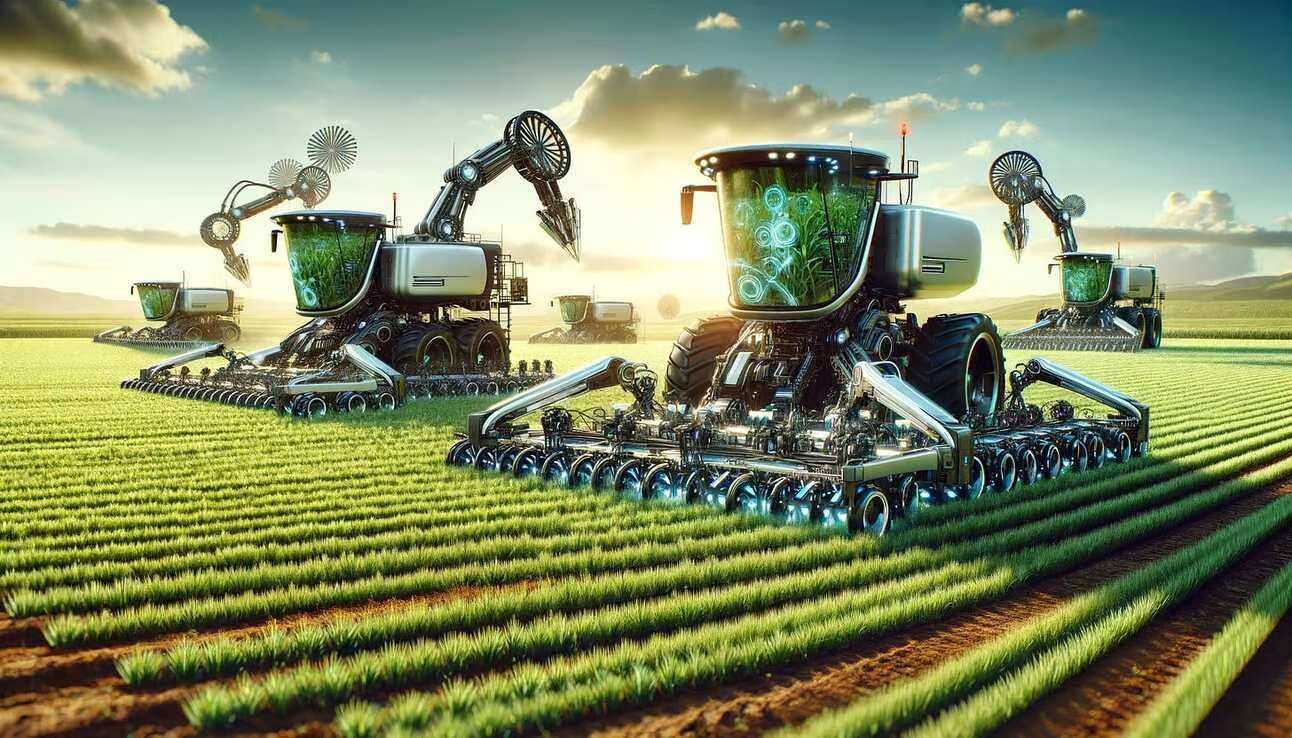
- Agricultural Robotics: Automation is being leveraged to tackle labor shortages and enhance productivity in the agriculture sector. From robotic harvesters to drones that monitor crop fields, these technologies can reduce labor costs and increase efficiency. Companies like Blue River Technology are pioneering the use of machine learning and robotics to manage crops more effectively, enabling more precise application of herbicides and fertilizers.
Economic Opportunities and Future Implications
These innovations not only promise to address food security concerns but also present new financial opportunities for entrepreneurs and investors alike. With U.S. agriculture accounting for a significant portion of the economy—approximately $1.1 trillion in 2020—there is immense potential for growth in sectors intertwined with technology and food production. This transformation is pushing entrepreneurs to innovate, creating a ripple effect that can lead to job creation and economic investment in rural areas.
As we explore the future of food tech, it is essential to consider how these advancements will reshape farming practices and influence everything from local economies to global food systems. By adopting these transformative practices, farmers can not only increase their productivity but also become more sustainable stewards of the environment. The implications are profound, and understanding them can open new pathways for success in the agriculture industry. As investment flows into these innovations, the stage is set for a future where technology and agriculture work hand-in-hand to meet the challenges that lie ahead.
Revolutionizing Farming Through Technology
The integration of advanced technology into agriculture is not merely a trend; it represents a fundamental shift in how food is produced in the United States. With the pressure of an ever-growing population and the urgent need for sustainable practices, American farmers are turning to innovative solutions that not only enhance productivity but also safeguard the environment. By harnessing the power of data and automation, farmers are transforming their approaches, leading to a more resilient agricultural ecosystem.
Impact of Data-Driven Decision Making
One of the most significant changes in modern agriculture is the shift toward data-driven decision making. Farmers can now access vast amounts of information on soil health, pest populations, and climate conditions. Technologies such as satellite imaging and drones allow for precise monitoring of crop conditions, enabling farmers to respond swiftly to potential challenges. For instance, precision irrigation systems can use real-time weather data to optimize water usage, ensuring crops receive just the right amount without waste.
The financial implications of adopting these data-centric solutions are substantial. Studies have shown that farms utilizing data analytics can see a remarkable reduction in operational costs, often recovering their initial investments within a few seasons. As a result, the agricultural sector is witnessing a surge in investment from tech companies looking to capitalize on this growing market.
The Role of Sustainable Practices
As consumers become increasingly concerned about sustainability, farmers are responding by implementing sustainable practices that align with these values. These practices not only meet consumer demands but can also improve the bottom line. Techniques like cover cropping and crop rotation help maintain soil health and increase resilience against pests and diseases. Furthermore, sustainable practices can attract premium prices for organic or locally grown produce, allowing farmers to command better profit margins.
- Organic Farming: The organic food market in the U.S. is projected to surpass $70 billion by 2025, reflecting a significant opportunity for farmers willing to transition to organic production methods.
- Diverse Crop Production: Crop diversification reduces risk. Farmers cultivating a range of crops can buffer themselves against market fluctuations and climate variability, ensuring more stable income streams.
- Environmental Certifications: Obtaining certifications, such as USDA Organic or Rainforest Alliance, not only enhances marketability but also opens doors to niche markets that offer higher profit potential.
The adoption of these enhanced practices signifies a shift towards an agricultural model that prioritizes not just yields, but long-term sustainability and economic viability. As innovations continue to emerge, it is clear that technology will play an essential role in addressing some of the most pressing challenges of the food industry, from resource scarcity to climate resilience.
The ensuing landscape promises to redefine how food is grown and consumed, influencing everything from market dynamics and pricing strategies to the socio-economic fabric of rural America. As we delve deeper into these innovations, the potential becomes evident—food tech is poised to not just sustain but revitalize U.S. agriculture in the years to come.
SEE ALSO: Click here to read another article
Harnessing Biotechnology and Genetic Engineering
In addition to data analytics, another transformative factor in modern agriculture is the application of biotechnology and genetic engineering. By modifying crops at the genetic level, scientists can create varieties that withstand pests, tolerate harsh climate conditions, and yield higher outputs. This approach not only promises increased food production but also contributes to environmental sustainability.
Advancements in Crop Resilience
One of the most compelling examples of biotechnology’s impact is the development of drought-resistant crops. With climate change threatening traditional farming methods, farmers are investing in seeds engineered to require less water while maintaining productivity. For instance, varieties of corn and soybeans designed through genetic modification can survive longer periods of drought, which is critical in states like California and Texas, where water scarcity is becoming more prevalent.
Moreover, genetically engineered crops can lead to lower pesticide usage. Crops infused with certain traits can naturally repel pests, reducing the need for chemical interventions that can harm beneficial insects and pollinators. This shift not only supports sustainability but also cuts expenses related to pesticide purchases, making farming more profitable.
Financial Viability of Biotech Solutions
The financial prospects of adopting biotechnology in agriculture are substantial. Developing and deploying genetically modified crops typically involves high initial costs; however, these investments often yield significant returns. Research indicates that farms utilizing genetically engineered seeds can see an increase in revenue by up to 20% or more due to improved yields and reduced input costs. Furthermore, farmers can be more competitive in global markets, as enhanced crop varieties stand out for their resilience.
- Access to Global Markets: Biotech crops often meet international food safety and quality standards, allowing U.S. farmers to export products to regions that demand such innovations.
- Insurance Against Climate Variability: With ecosystems undergoing changes, biotech crops offer a hedge against unforeseen weather patterns, thus providing farmers with more predictable financial outcomes.
- Consumer Acceptance: As public perception shifts and more consumers become educated about the benefits of biotechnology, the demand for such produce is expected to rise, leading to lucrative opportunities for farmers.
Emerging Technologies in Food Production
Beyond biotechnology, emerging technologies such as vertical farming and hydroponics are further reshaping the agricultural landscape. These methods allow for food production in urban areas, drastically reducing transportation costs and food spoilage. Vertical farms utilize controlled environment agriculture, which minimizes the use of land and water while maximizing output. In fact, it is estimated that vertical farming can produce yields of up to 100 times greater per square foot than traditional farms.
In urban settings, the integration of indoor farms into local communities can also bridge the gap between consumers and producers, ensuring access to fresh, nutritious food without the carbon footprint associated with long-distance transport. As cities expand, such innovations are critical to addressing food security while supporting local economies.
The innovations within food tech are paving the way for a new era in agriculture, one that is more efficient, resilient, and environmentally friendly. Farmers who embrace these advancements not only secure their livelihoods but also contribute to a food system capable of sustaining future generations, demonstrating the immense potential at the intersection of agriculture and technology.
CHECK OUT: Click here to explore more
Conclusion
As we look ahead, the future of food technology holds remarkable promise for transforming U.S. agriculture. Biotechnology and genetic engineering are revolutionizing crop resilience, enabling farmers to combat the effects of climate change and resource scarcity. The financial incentives associated with these advancements cannot be overlooked; farmers are not only able to increase their crop yields but also gain a competitive edge in a global marketplace that increasingly values sustainable practices.
Emerging techniques such as vertical farming and hydroponics are reshaping our food production systems, bringing agriculture closer to urban centers and reducing the environmental impacts associated with transporting food. With projections suggesting that vertical farms can deliver yields up to 100 times greater per square foot compared to traditional farming, these innovations promise to enhance food security while supporting local economies.
Moreover, as consumers become more aware of the ethical and environmental benefits of these technologies, the demand for biotech crops is likely to rise, amplifying opportunities for farmers to thrive. The crossroads of agriculture and technology presents a landscape rich with potential, offering not just solutions to current challenges but also paving the way for a more sustainable future.
Ultimately, understanding and embracing these technological advancements will be critical for stakeholders at all levels—farmers, policymakers, and consumers alike. By investing in and adopting new methods, we can ensure that the agricultural systems of tomorrow are resilient, efficient, and capable of feeding an ever-growing population while protecting our planet’s resources. The innovations we implement today will lay the groundwork for the agricultural legacy we leave for future generations.