
The Gig Economy: Redefining Work and Identity in Modern America
Understanding the Gig Economy
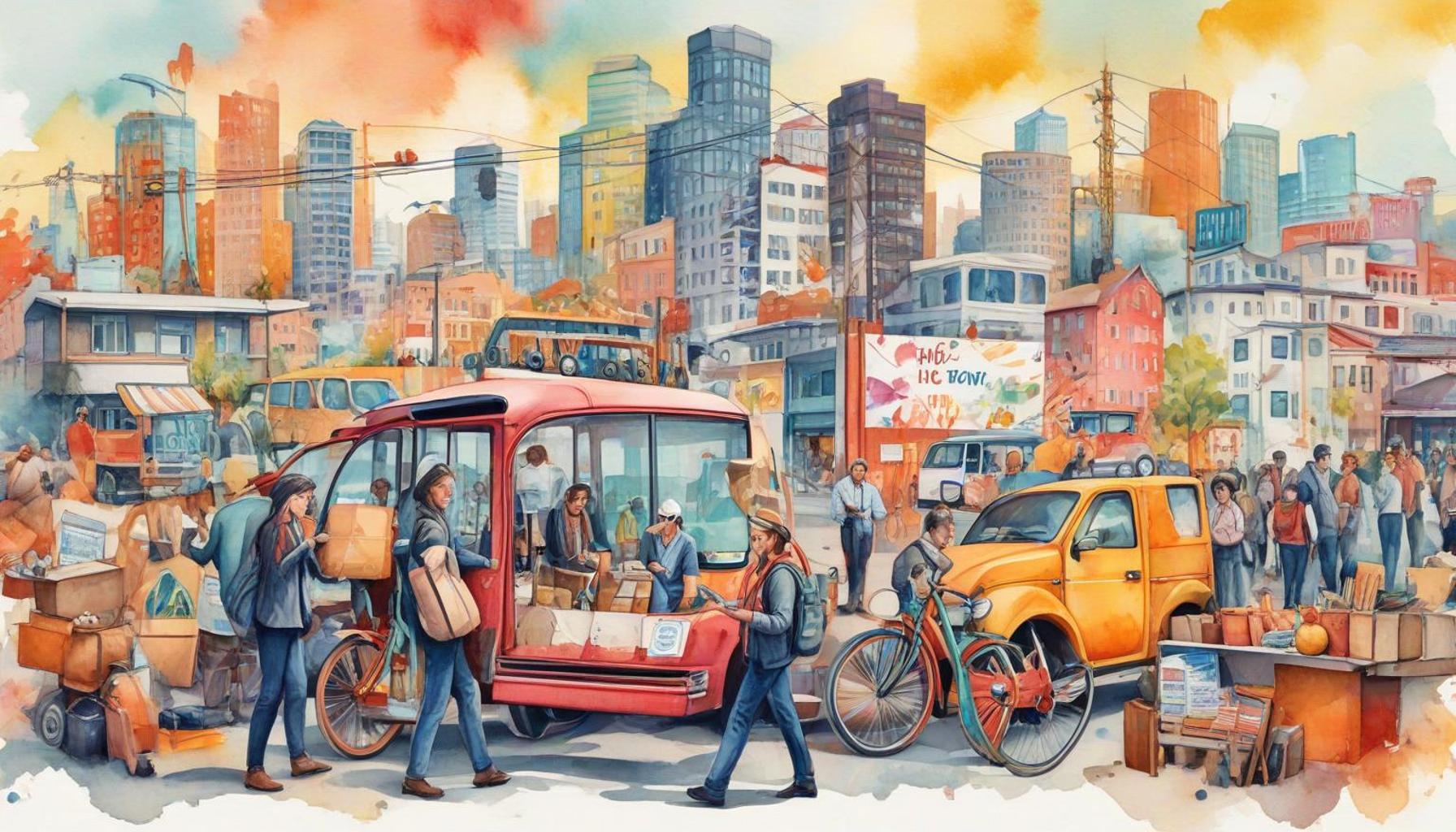
In today’s fast-paced world, the way we perceive work is undergoing a remarkable transformation. The emergence of the **gig economy** represents a groundbreaking shift, challenging conventional notions of employment and career trajectories. With increasing numbers of individuals opting for roles that prioritize flexibility and autonomy, we are witnessing a profound evolution in the professional landscape.
More than just a trend, the gig economy encompasses a variety of work forms that allow people to tailor their careers to fit their lifestyles and personal aspirations. For instance, **freelancing** has become a prominent option for many, with individuals across various fields—such as writing, graphic design, and software development—finding clients through platforms like Upwork or Fiverr. Consider a freelance graphic designer: working from home or while traveling, they can choose projects that resonate with their passions, helping them cultivate a unique portfolio while enjoying a better work-life balance.
Additionally, **ridesharing** services have revolutionized personal transportation. By driving for companies like Uber and Lyft, individuals can schedule their work hours according to their personal commitments. This flexibility is particularly appealing for parents who need to juggle school runs and after-school activities while still generating income. The sense of autonomy that comes with setting one’s own hours is liberating and empowering.
Another expanding sector is **delivery services**. Couriers for apps like DoorDash and Postmates often experience the thrill of independence, able to choose when and where they work. This is particularly advantageous for college students or those seeking a supplemental income. For instance, a college student can seamlessly integrate delivery gigs into their schedule, allowing them to pursue their education while also earning extra money.
However, entering the gig economy is not without its challenges. Workers may face inconsistent earnings, lack of benefits, and uncertainty regarding job security. It is crucial for individuals to approach this new work paradigm with a strategic mindset. By setting aside funds for taxes, investing in their skills, and building a safety net, gig workers can mitigate some of these risks.
As we navigate this evolving workplace, it is essential to consider how these opportunities influence not only our financial health but also our overall sense of identity. The gig economy empowers individuals to **take charge of their financial destinies**, encouraging them to explore diverse income streams while aligning their work with their passions and values.
By embracing this change, we can foster a more fulfilling existence—redrawing the lines of what work can mean in our lives. Understanding the dynamics of gig work allows us to make informed decisions that resonate with our personal ambitions. Together, let us become inspired to explore the vast potentials of the gig economy and take conscious, responsible financial actions that pave the way for a brighter, more autonomous future.
CHECK OUT: Click here to explore more
The Benefits and Challenges of Gig Work
The gig economy presents numerous advantages that resonate deeply with many workers today, transforming how we conceptualize our professional lives. The allure of flexibility, in particular, is a significant driving force behind this shift. For countless individuals, the freedom to determine when and how much they work is not just a preference but rather a necessity. In a world where familial obligations, education, and personal interests vie for attention, the ability to manage one’s own schedule has become a defining factor in job satisfaction.
Moreover, gig work fosters an environment ripe for **creativity and self-expression**. Individuals are no longer confined to traditional roles that may stifle their passions. Instead, they can cultivate unique career paths that reflect their personality and interests. This newfound freedom inspires many to embark on diverse projects that enhance their skills and provide a sense of accomplishment. For example, a musician may opt to teach online lessons, offering them not only a source of income but also a platform to share their love for music.
However, while the gig economy offers such compelling advantages, it also poses challenges that cannot be ignored. Many gig workers grapple with issues like inconsistent income and a lack of employee benefits, such as health insurance or retirement plans. This precarious financial situation can lead to significant stress, making it essential for gig workers to engage in thoughtful financial planning. Here are some strategies to navigate the challenges:
- Budget Wisely: Create a budget that accounts for fluctuating income and set aside funds for lean months.
- Invest in Skills: Continuously refine and upgrade skills to remain competitive in the gig market.
- Build a Safety Net: Save a portion of earnings to create an emergency fund that can cover unexpected expenses.
- Focus on Networking: Cultivate relationships within the industry to find new opportunities and potential clients.
Addressing these challenges requires not just awareness but also proactive steps. Workers in the gig economy must embrace their roles as entrepreneurs, taking charge of their financial futures while cultivating a mindset oriented toward growth and resilience. This entrepreneurial spirit can be a double-edged sword; while empowering workers to follow their passions, it can also lead to feelings of uncertainty. The key lies in striking a balance—to appreciate the freedom the gig economy provides without falling prey to its inherent vulnerabilities.
As we delve deeper into how the gig economy reshapes identities, we recognize that this mode of work is more than just a job; it is a way of life that challenges individuals to define themselves beyond traditional employment boundaries. This shift encourages us to reassess our relationship with work and embrace a new narrative—one where we are not merely employees but active creators of our destinies.
SEE ALSO: Click here to read another article
Navigating the Evolving Landscape of Work
As the gig economy continues to evolve, it becomes increasingly apparent that workers must not only adapt their skills but also rethink how they approach their careers. The traditional nine-to-five job is quickly being replaced by a multitude of flexible work arrangements that compel individuals to reassess their professional identities. Therein lies a powerful opportunity for self-discovery and personal growth. In an environment where one’s career path is defined by personal choices rather than corporate structures, gig workers often find themselves exploring new passions and interests that align with their values.
For instance, consider the rise of platforms like Etsy or Upwork, where creative individuals can successfully monetize their hobbies and expertise. A talented artist might transform their passion for painting into a thriving online business, cultivating a customer base that values their unique artistic expression. This newfound empowerment is not limited to the creative sectors; professionals in areas like consulting, technology, and even healthcare are turning to gig work as avenues for impact, often identifying themselves not just as workers but as brands, innovators, and leaders in their fields.
Moreover, the gig economy has fostered a growing culture of collaboration and community. With digital platforms that connect diverse talents across geographic boundaries, individuals now have the opportunity to collaborate on projects that were once relegated to traditional work settings. Whether it’s a software developer teaming up with a graphic designer or a chef offering culinary courses online, the avenues for partnership are endless. These collaborations not only offer new revenue streams but also enhance personal development through the sharing of ideas and resources.
However, this evolving work paradigm also introduces an element of isolation. Gig workers often miss the social engagement that comes from traditional workplaces. In addressing this challenge, it is crucial for gig workers to proactively seek out community through networking events, online forums, and social media platforms. Engaging with others in similar professions can alleviate feelings of loneliness and foster a sense of belonging, which is essential for mental well-being.
Furthermore, embracing the gig economy necessitates a strong sense of personal branding. Individuals must actively cultivate an online presence that reflects their skills, values, and expertise. Building a recognizable brand can mean the difference between attracting clients or being lost among the vast sea of gig workers. This includes presenting a professional portfolio, harnessing social media for networking, and curating content that showcases one’s unique voice and skills. By doing so, individuals can increase their visibility and establish a solid reputation, which is crucial in a competitive market.
As we navigate this shifting landscape, it is crucial for gig workers to remain diligent in balancing the freedom and flexibility of gig work with the need for stability and community. By refining their skills, building strong networks, and nurturing their personal brands, they are not only redefining their careers but also laying the groundwork for a resilient future. Embracing this new identity within the gig economy can lead to financial independence and fulfillment—an inspiring prospect for workers ready to forge their own paths in modern America.
CHECK OUT: Click here to explore more
Embracing a New Future
In conclusion, the gig economy represents a transformative shift in how individuals perceive work and identity in modern America. It has opened doors to countless opportunities, allowing workers to break free from the constraints of traditional job structures and create fulfilling careers based on their passions and skills. As we have explored, this transition is not merely about earning a paycheck; it’s about empowerment, self-discovery, and community.
The ability to define one’s own career path invites a deeper exploration of personal strengths and interests, promoting both professional growth and enhanced well-being. However, alongside these opportunities lie challenges, such as potential isolation and the need for personal branding. To navigate this complex landscape successfully, gig workers must be proactive, seeking community connections and crafting a unique presence in the market.
As the gig economy continues to evolve, let us foster a culture that embraces collaboration, supports innovation, and celebrates diverse contributions. By doing so, we not only enhance our own lives but also reinforce the collective strength of our communities. The future is indeed bright for those who are ready and willing to embrace this new paradigm of work. Let us take bold steps towards harnessing the potential of gig work, cultivating resilience, and shaping our identities as inspired creators and active participants in a dynamic economic landscape. Together, we can redefine what it means to work and thrive in modern America.