
Urban Mobility Trends: Innovations in Public Transportation Solutions
Transforming Urban Mobility
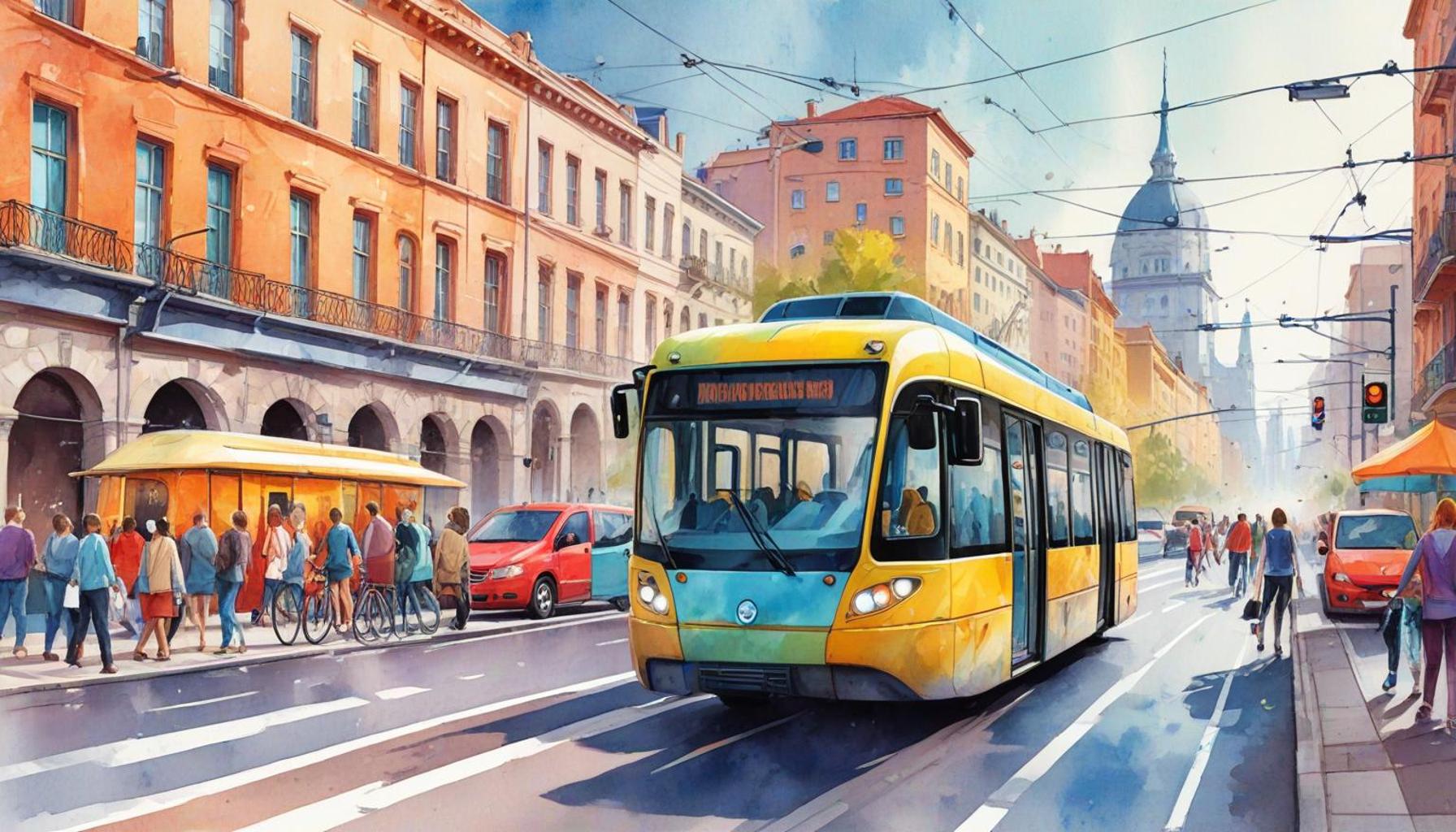
As cities expand and rethink infrastructure, the evolution of movement within urban landscapes has taken center stage. **Public transportation is at the forefront of this revolution**, presenting groundbreaking solutions aimed at fulfilling the diverse needs of today’s urban residents. The shift towards smarter, more efficient mobility not only enhances convenience but also promotes a sustainable future for our communities.
Innovative Solutions Driving Change
Key innovations are reshaping how we navigate our cities, making transportation more accessible and environmentally friendly. Below are some of the transformative developments making a significant impact:
- Electric Buses: These environmentally-friendly vehicles help decrease air pollution and create a quieter commute. Cities like Los Angeles and Seattle are leading the charge by introducing fleets of electric buses that not only reduce carbon emissions but also lower operational costs over time.
- Smart Ticketing Systems: Technology is making it easier than ever to integrate multiple modes of transport. Users can now pay for subways, buses, and even rideshares with just a smartphone tap, as seen in cities like San Francisco with its Clipper Card system. This seamless connectivity encourages more people to opt for public transit instead of driving.
- Micro-Mobility Solutions: The rise of e-scooters and bike-sharing programs fills the gap for short-distance travel. Cities such as Chicago and Austin have embraced these solutions to help residents navigate smaller trips without the need for a car. These initiatives not only ease congestion but also promote healthier lifestyles.
- Real-Time Tracking: Access to real-time transit information enhances the commuting experience. With apps that provide live updates on bus and train arrivals, commuters can plan their journeys more effectively and reduce waiting times, leading to a more efficient travel experience.
These advancements do more than facilitate daily commutes; they invite us to reevaluate our relationship with transportation. By embracing these innovations, we contribute to a shared mission of creating healthier, more vibrant cities. **Investing in public transportation is investing in our communities**, making them more livable and accessible for everyone, particularly marginalized neighborhoods that rely on these services.
Empowering Change Together
With awareness and deliberate choices, every ride we take becomes a step toward a greener planet. **The future of urban mobility is bright**, but it requires our collective support and commitment. By actively engaging in public transportation initiatives and using modern solutions, we can champion a transformative movement in our communities.
Let’s take part in this exciting change together, promoting sustainable practices that enhance both our lives and our environment. It starts with each one of us acknowledging our role in this movement and encouraging others to do the same. Together, we can build the cities of tomorrow—healthier, cleaner, and more inclusive for all.
SEE ALSO: Click here to read another article
Innovations Fueling the Future of Urban Transportation
As urban dwellers increasingly face the challenges of traffic congestion, pollution, and inefficient transit options, the need for innovative public transportation solutions has never been more critical. The changes taking place in our cities reflect a broader movement toward recognizing public transit as a vital service that can greatly enhance quality of life. With every new initiative, we are not just adopting technology; we are cultivating a culture of sustainable mobility that invites us to rethink how we navigate our daily lives.
Reimagining Urban Landscapes
The innovations emerging in public transportation are more than mere technological advances; they represent a significant shift in how we interact with our environment and each other. Some of the most impactful trends shaping the future of urban mobility include:
- Autonomous Public Transit: Self-driving buses and shuttles are beginning to hit the streets, especially in places like Arizona and California. These vehicles promise not only to reduce human error but also to enhance efficiency, ensuring that our transit systems can serve more passengers with greater reliability.
- Integrated Mobility Platforms: Cities are exploring ways to connect various modes of transport seamlessly. Platforms that combine buses, trains, bike shares, and carpool options enable residents to plan their journeys more effectively. Solutions like Los Angeles’ Metro system aim to reduce the stress of transit navigation by allowing users to choose the quickest or most eco-friendly route.
- Smart Infrastructure: Upgrades to public transit infrastructure include features like smart traffic lights and responsive signaling systems. By prioritizing buses over regular traffic, cities can help reduce delays and encourage more residents to consider transit for their daily commutes.
- Data-Driven Decision Making: Using big data, transit authorities can analyze ridership patterns to optimize schedules and routes. This approach not only enhances service efficiency but also increases public engagement by aligning services more closely with community needs.
As we explore these transformative trends, it becomes clear that public transportation is a tool for fostering more connected and equitable communities. Investing in these advancements is more than an infrastructural decision; it is a commitment to creating a sustainable future where every individual has the means to participate in their city’s vibrancy.
A Call to Engage with Urban Mobility
Urban mobility has the potential to empower and uplift communities, but it requires collective action from all of us. By choosing public transit, utilizing integrated platforms, and supporting smart solutions, we can make impactful choices that reduce our carbon footprint while enhancing our experiences within urban settings. Together, we can transform not just our own travel habits but also the very fabric of our urban landscapes.
CHECK OUT: Click here to explore more
Embracing Sustainable Transit Solutions
The shift toward sustainable transportation is not just a passing trend; it represents a deep-seated recognition of our collective responsibility to the environment and our communities. As urban areas continue to grow, the pressure on transportation networks intensifies. However, this challenge is met with groundbreaking solutions aimed at reducing emissions and promoting greener alternatives. Embracing these innovations can significantly enhance urban livability while demonstrating our commitment to protecting our planet for future generations.
The Rise of Electric and Hybrid Vehicles
One of the most promising developments in public transportation is the transition to electric and hybrid buses. Many cities across the United States, such as Seattle and San Francisco, are already implementing fleets powered by renewable energy sources. These vehicles not only minimize greenhouse gas emissions but also contribute to cleaner air, which is essential for urban health. The leadership displayed in making these changes sets a precedent for communities everywhere to prioritize sustainability as an essential criterion for public transport solutions.
Enhancing Accessibility and Inclusivity
Urban mobility innovations are also geared toward making transportation more accessible to all residents. Efforts to redesign routes and services for vulnerable populations, including the elderly and people with disabilities, are vital for creating an equitable transit system. Cities like New York and Chicago have initiated programs to ensure that public transportation meets the diverse needs of their populations. By investing in accessible options like on-demand shuttles or improved infrastructure, we affirm the value of inclusivity in urban mobility strategies.
Micro-Mobility Solutions
In addition to traditional transit services, cities are seeing the rise of micro-mobility solutions. Electric scooters, bikes, and hoverboards offer residents flexible and cost-effective alternatives for short-distance travel. This on-demand approach complements public transport by filling gaps in the existing transit systems, encouraging users to opt for journeys that are not only faster but also environmentally friendlier. Cities that embrace these technologies, such as Austin and Portland, showcase how micro-mobility can integrate seamlessly into urban landscapes, fostering a culture of active living.
Community Engagement in Transportation Planning
Another significant trend lies in the emphasis on community involvement in transportation planning. As transit authorities initiate projects, soliciting input from local residents ensures that public transportation solutions resonate with community needs. Techniques such as workshops, surveys, and town hall meetings empower residents to voice their concerns and participate in shaping their urban environment. This collaborative approach promotes a sense of ownership over public transport initiatives, leading to better adoption and satisfaction among users.
Through these innovative strategies, we can transform urban transportation into a system that not only serves the mechanistic function of moving people from point A to B but becomes a key element in building vibrant, livable cities. The time has come for us to engage with and advocate for these advancements in public transportation solutions, paving the way for a sustainable future that embraces both connectivity and environmental responsibility.
SEE ALSO: Click here to read another article
Looking Ahead: A Collective Journey Towards Mobility Evolution
As we stand at the crossroads of urban mobility innovations, the journey ahead is illuminated by our commitment to creating a sustainable, inclusive, and efficient transportation ecosystem. The strides made through the implementation of electric and hybrid vehicles, the integration of micro-mobility solutions, and the focus on community engagement in transportation planning signify a monumental shift in how we perceive and utilize public transit.
These advancements are not just technological upgrades; they are reflections of our collective movement towards a more conscientious way of living. It is essential to recognize that our choices today will dictate the quality of life for future generations. By supporting initiatives that prioritize sustainability and user inclusivity, we can foster vibrant urban centers that are accessible to all. The cities leading these transformations—like Seattle, New York, and Portland—serve as inspiring examples of what is achievable when innovation meets community needs.
Ultimately, the call to action is clear: we must advocate for and actively participate in the development of transit networks that align with our values and urban aspirations. Engaging with public transportation solutions is not just a matter of convenience; it is a responsibility we all share. Let us step forward as engaged citizens, ready to champion these changes and collaborate in shaping a transportation future that champions both environmental stewardship and social equity. Together, we can pave the way for a resilient and interconnected urban landscape, where every journey counts toward a brighter and more sustainable tomorrow.