
The Impact of AI on Job Markets: Opportunities and Challenges Ahead
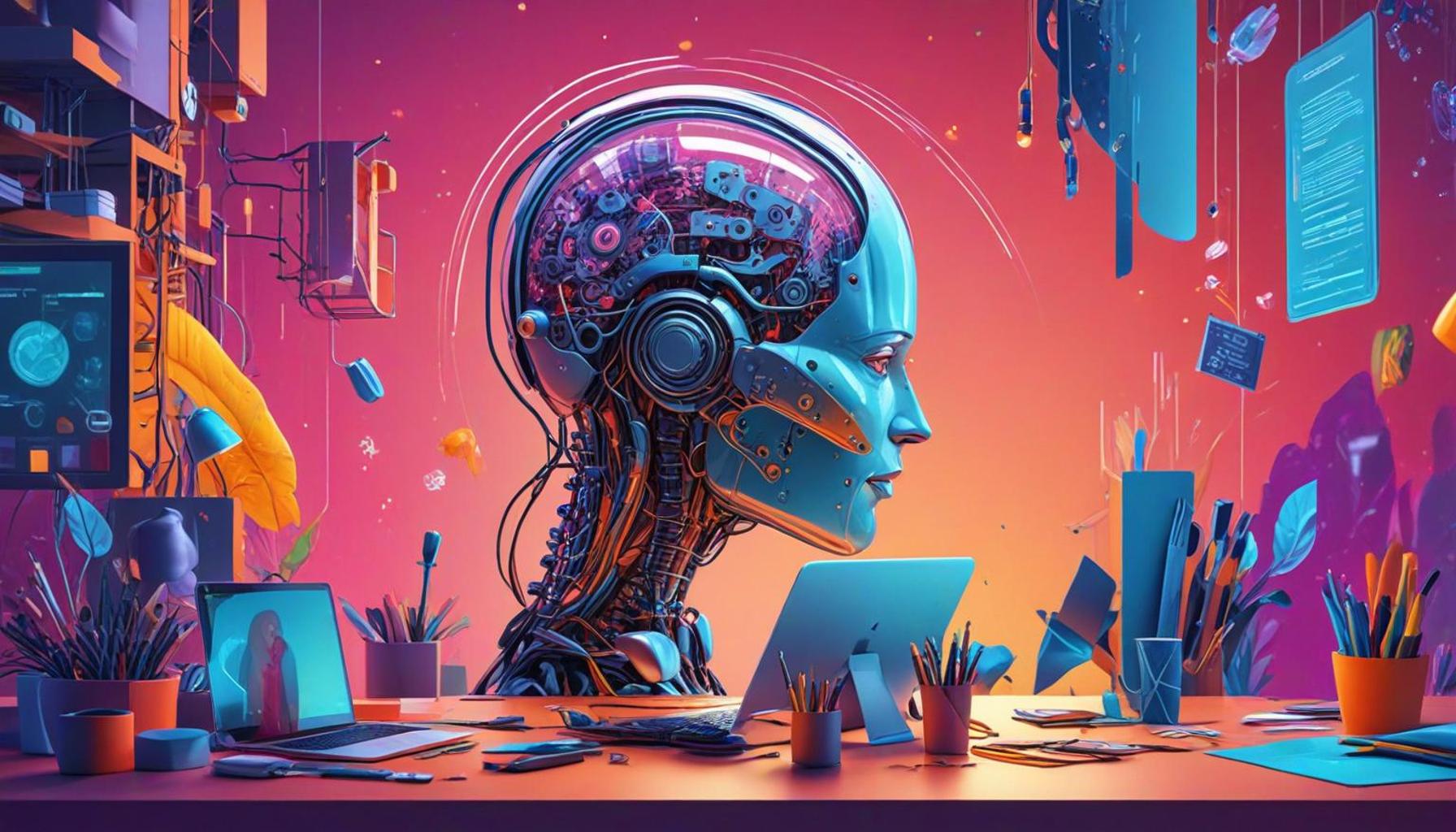
Embracing a New Era of Work
The landscape of employment has always been shaped by technological advancement, but the pace at which artificial intelligence (AI) is evolving is unprecedented. This swift transformation presents both remarkable opportunities and daunting challenges that require our immediate attention and action. As we stand on the brink of a new era, it is crucial to harness our awareness of these changes to make informed decisions that benefit our careers and financial futures.
Job Creation in Emerging Sectors
One of the most promising aspects of the AI revolution is the potential for job creation. New roles are appearing rapidly across industries, especially in technology, health care, and manufacturing. For instance, positions such as AI specialists, data scientists, and machine learning engineers are in high demand. Companies like Google and Microsoft are investing heavily in AI, and with that investment comes a host of new job openings that require skilled personnel to lead these innovations. Job seekers who equip themselves with the right skills can tap into this burgeoning market.
Navigating Job Displacement
However, as we celebrate these new opportunities, we must also confront the reality of job displacement. Automation threatens traditional roles, particularly in sectors like retail and transportation. For example, the rise of self-checkout systems in grocery stores has reduced the number of cashier positions available. The transition may be unsettling, but it is essential to remember that change can foster growth. Those in at-risk roles can pivot towards areas where demand is increasing, thus allowing for personal reinvention.
The Importance of Skill Development
The influx of AI technologies has underscored the critical need for skill development. Reskilling and upskilling have become essential strategies for workers aiming to remain valuable in an evolving job market. Educational institutions, online platforms, and corporate training programs are increasingly offering resources that cater to these needs. For instance, platforms like Coursera and Udacity provide courses in data analytics and AI programming that can help individuals enhance their skill sets. Investing time and resources in education can open up new pathways and opportunities.
Conscious Financial Decisions
In this dynamic environment, the importance of making conscious and responsible financial decisions cannot be overstated. As we navigate potential job security concerns, it becomes vital to prioritize saving and investing. Building an emergency fund can provide a safety net during transitions, while strategic investments can position individuals advantageously for future opportunities. Seeking advice from financial professionals can also help in crafting a personal strategy tailored to these changing times.
In conclusion, while we explore how AI is reshaping the job market, it’s essential to approach these changes with a mindset of adaptability and optimism. By recognizing the challenges alongside the opportunities, we can turn potential disruptions into catalysts for growth. Together, let us navigate this transformation with resilience while taking action to secure our financial futures and embrace the possibilities of tomorrow.
SEE ALSO: Click here to read another article
Harnessing Opportunities while Addressing Challenges
As the AI landscape unfolds, it is essential to adopt an approach that embraces both the exciting opportunities and the inherent challenges this technology brings. The fear of the unknown can be disconcerting; however, viewing AI as a tool for enhancement rather than a threat can shift our perspective toward a more positive outcome. This mindset encourages innovation and evolves our understanding of the job market, enabling us to navigate this transition more effectively.
A New Wave of Creativity and Innovation
The advent of AI fosters a climate ripe for creativity and innovation. As machines take on repetitive, mundane tasks, human workers can divert their energies toward more complex, imaginative projects that machines cannot replicate. How about considering roles such as AI ethicists, user experience designers, or digital marketing strategists? These are just a few examples of how AI opens doors to careers that value human intuition, empathy, and creativity. In fact, organizations benefit immensely when they meld human intelligence with artificial intelligence, leading to enhanced productivity and groundbreaking innovations.
A Focus on Collaborative Work
AI is not solely replacing jobs but reshaping the way we work. The rise of collaborative systems allows employees to maximize their unique skills alongside AI technologies. This collaboration can lead to increased efficiencies and improved outcomes. For example, in health care, AI algorithms assist doctors in making data-driven decisions, while the human touch and compassion remain irreplaceable. In sales, AI helps with lead scoring, but it’s the salesperson’s talent that ultimately converts leads into customers. The key lies in seeing AI as a partner rather than a competitor.
Importance of Lifelong Learning
In a rapidly changing job market, an attitude of lifelong learning is vital. Embracing an ongoing quest for knowledge equips individuals to stay relevant and thrive. The importance of adapting skillsets cannot be overstated, as industries evolve with technology. Here are a few recommended strategies for embracing lifelong learning:
- Subscribe to newsletters or podcasts on AI and technology advancements.
- Participate in workshops and seminars related to your field and AI applications.
- Engage in networking opportunities that allow you to connect with leaders and innovators.
- Explore free online resources and courses to improve or add to your skillset.
By committing to lifelong learning, individuals will not only bolster their employability but also cultivate a sense of empowerment as they explore the intersections of human capabilities and technological advancements.
In summary, the impact of AI on job markets presents a dual narrative of opportunities and challenges. By recognizing that we can harness technology to redefine the workplace landscape, we can better prepare ourselves for the changes ahead. Building a collaborative approach and prioritizing education enables us to explore new career paths and foster resilience in the face of uncertainty. As we embark on this journey, let’s embrace the waves of change with courage and optimism.
SEE ALSO: Click here to read another article
Adapting to the Changing Landscape
While embracing the opportunities brought on by AI, it’s equally essential to honestfully recognize the challenges that accompany this technological shift. The rapid evolution of industries driven by AI innovations can lead to displacement, requiring workers and organizations alike to adapt swiftly. It is crucial for individuals to not only understand the implications of AI in their fields but also to actively participate in the transformation of their careers.
Reskilling and Upskilling for Tomorrow
In light of the challenges posed by AI, the call for reskilling and upskilling has never been more pressing. Traditional pathways to career success may no longer hold; individuals must proactively equip themselves with the skills that enhance their value in the marketplace. For instance, workers in manufacturing might need to learn how to manage and collaborate with AI-operated machinery, while professionals in finance may benefit from understanding machine learning to analyze big data effectively.
According to a report from the World Economic Forum, up to 85 million jobs could be displaced by a shift in labor between humans and machines by 2025. Yet, at the same time, the report predicts that around 97 million new roles could emerge, particularly in areas focusing on human skills combined with technology. This presents a remarkable opportunity for those willing to evolve. Online platforms such as Coursera and Udacity offer courses specifically designed to meet these new workplace demands. The investment in continuous education can help secure a more stable financial future.
Fostering a Culture of Adaptability
Organizations should establish a culture of adaptability that encourages employees to embrace change rather than resist it. Transforming workplace environments into spaces that promote innovation and experimentation can inspire creativity and nurture emerging talents. Companies like Google and Amazon exemplify this ethos by fostering environments where employees can participate in hackathons and creative brainstorming sessions to explore AI applications relevant to their tasks.
Furthermore, organizations can offer mentorship programs that connect experienced employees with newer ones, facilitating the exchange of knowledge about both AI technologies and soft skills essential for collaboration. By cultivating a shared learning environment, businesses will not only enhance their workforce but also create a greater sense of community, thus fostering employee engagement and loyalty.
The Role of Policy Makers
As individuals and organizations adapt, policy makers play a pivotal role in shaping the landscape influenced by AI. The implementation of forward-thinking policies related to education, labor rights, and training programs will be essential. Investments in education and vocational training can ensure that workers are prepared to take on new roles that arise from AI’s advancements. Moreover, establishing safety nets for those displaced by technology can alleviate fears associated with job loss and provide support during transitions, fostering a more effective integration of AI into the workforce.
As we see AI continuing to break new ground in various sectors, it’s evident that a collective effort is required to navigate the accompanying challenges. By actively adjusting and preparing for these changes, we can transform potential hardships into paths of progress, allowing individuals and communities to flourish in an AI-driven economy.
CHECK OUT: Click here to explore more
Looking Toward a Collaborative Future
In conclusion, the ripple effects of artificial intelligence on job markets have unveiled a landscape filled with both challenges and opportunities. As we’ve explored, while the potential for job displacement looms large—with estimates suggesting that millions may be affected within the next few years—there lies an equally substantial potential for job creation. The emergence of new roles in technology-centered industries underscores the necessity of reskilling and upskilling to enhance the employability and adaptability of today’s workforce.
Moreover, the future calls for a collaborative effort among individuals, organizations, and policymakers. Individuals must take ownership of their career trajectories, seeking continuous education and adapting to technological advancements. Organizations, on the other hand, should cultivate environments that promote innovation while investing in their workforce’s growth. Finally, policy makers hold the critical responsibility of creating frameworks that ensure workers are supported through this transition, paving the way for a fairer integration of AI into the economy.
As we navigate this transformative era, embracing the opportunities presented by AI is imperative. By fostering a culture of adaptability and resilience, we can pave the way for a future where humans and machines coexist productively. Let us remain vigilant, motivated, and proactive in our approach to the changes ahead, turning obstacles into opportunities that lead to sustainable growth and shared prosperity.