The Economic Impact of Rehabilitating Aging Infrastructure in the USA: Challenges and Opportunities.
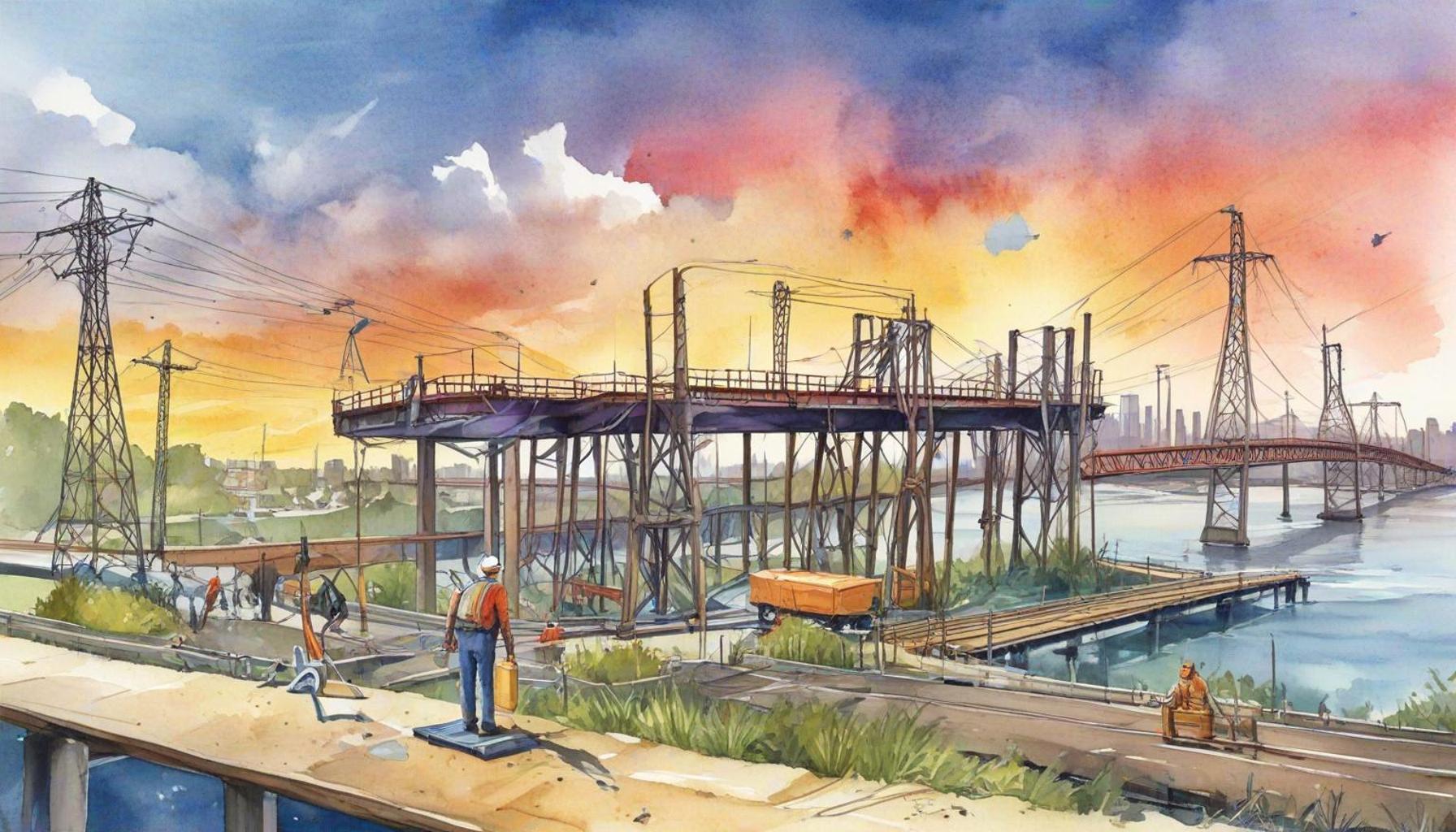
The rehabilitation of aging infrastructure in the United States is an urgent priority with profound economic ramifications. Given the significance of roads, bridges, and public utilities to daily life and the broader economy, their deterioration poses considerable risks if left unaddressed. The American Society of Civil Engineers has repeatedly underscored the dire state of U.S. infrastructure, warning that failing to act could result in escalating costs and lost economic productivity. On the flip side, strategic investments in infrastructure can cultivate a robust, competitive economy, enhance quality of life, and avert potential disruptions.
Challenges
The task of overhauling the nation’s infrastructure is not without its formidable challenges. A primary issue is the high costs associated with such an endeavor. The American Society of Civil Engineers estimates that over $2 trillion is needed to rectify infrastructure deficiencies over the next decade. These financial requirements are daunting, yet necessary to maintain safety standards and economic efficiency. Meanwhile, funding gaps persist, as existing state and federal budgets struggle to meet these demands. Traditional revenue sources like gas taxes and tolls have proven insufficient, necessitating innovative financing solutions such as public-private partnerships or infrastructure banks.
In addition to fiscal concerns, complex policies represent another hurdle. Regulatory frameworks, while essential to ensure safety and accountability, can delay project execution and inflate costs. Layers of bureaucracy and intricate approval processes can stymie progress, highlighting a need for streamlined procedures that balance oversight with efficiency.
Opportunities
Despite these challenges, the potential benefits of infrastructure investments are significant. One such opportunity is economic growth. By revitalizing transportation and utility networks, new jobs are created in construction, engineering, and related sectors. Additionally, businesses operate more efficiently when supported by reliable infrastructure, which translates into enhanced productivity and international competitiveness.
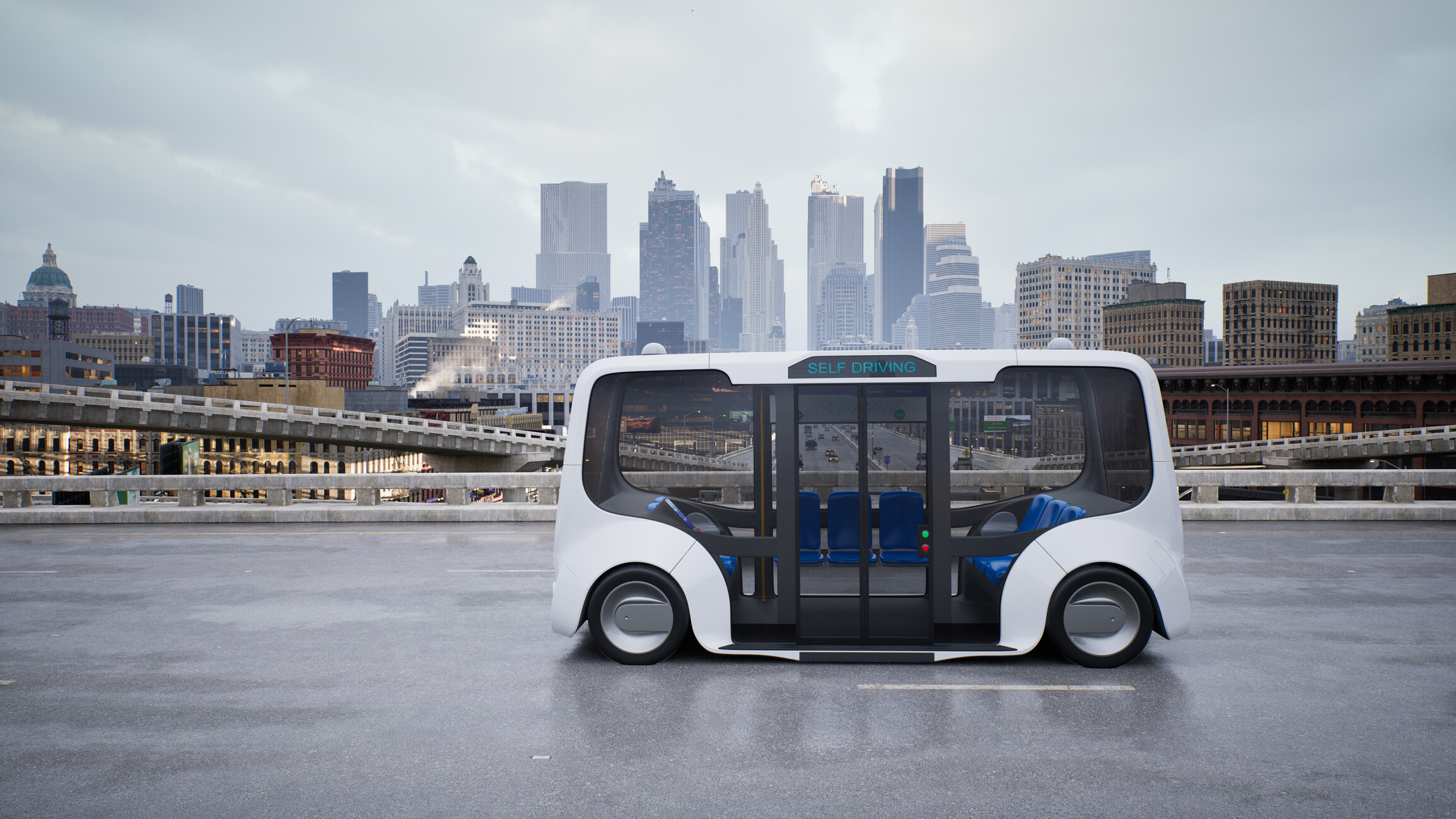
Another opportunity lies in technological advancements. The integration of smart technology and sustainable practices can revolutionize infrastructure projects. For example, intelligent traffic systems and energy-efficient utilities not only improve operational efficiency but also contribute to environmental sustainability and resilience against climate change.
Finally, infrastructure modernization can lead to long-term savings. Investing in newer, more resilient infrastructure reduces future maintenance expenses and helps prevent catastrophic failures that can be costly and disruptive.
Ultimately, data from recent studies affirms the potential for economic revitalization through astute investments in infrastructure. The American Society of Civil Engineers projects that failing to update vital infrastructure will result in hundreds of billions of dollars in economic losses annually. Conversely, well-planned investments promise substantial returns, enhancing national competitiveness and quality of life.
SEE ALSO: Click here to read another article
Economic Implications of Inaction
The potential economic impact of not addressing the aging infrastructure in the United States is staggering. The deterioration of critical infrastructure components such as highways, bridges, and water systems presents not only safety hazards but also immense economic costs. The American Society of Civil Engineers (ASCE) has reported that if the current trajectory of neglect continues, the U.S could face nearly $4 trillion in GDP losses by 2025. The ripple effects include a decline in business productivity, inefficiencies in transportation logistics, and an overall reduction in the global competitiveness of the United States. More worryingly, households are directly impacted, potentially experiencing about $3,400 in annual income losses due to increased costs associated with transportation and goods pricing.
Additionally, public health and safety concerns arise from neglected infrastructure, which can lead to catastrophic failures such as bridge collapses or water contamination incidents. These events not only result in tragic loss of life but also considerable economic disruption and costs for emergency response and rehabilitation. For instance, the Flint water crisis, triggered by aging infrastructure, highlighted the severe financial burdens on healthcare systems and municipal budgets.
Fiscal Strategies for Rehabilitation
To effectively address the infrastructure challenge, several fiscal strategies need to be considered. Some potential fiscal measures and initiatives include:
- Public-Private Partnerships (PPPs): Collaborations between government entities and private sector companies can unlock new funding sources. These partnerships can distribute risks and costs more evenly while allowing for more innovative approaches to infrastructure rehabilitation. Approximately one-third of infrastructure projects in Europe utilize PPPs, suggesting a viable model the U.S could expand upon.
- Infrastructure Banks: Establishing national or state-level infrastructure banks could provide low-interest loans for high-priority projects. Infrastructure banks allow for leveraging public funds to attract private investment, effectively increasing the financing available for necessary infrastructure improvements.
- Enhanced Federal and State Funding: Increasing federal and state budget allocations for infrastructure projects is vital. This could involve re-evaluating and adjusting user fees, like gas taxes, which have stagnated and lost buying power due to inflation and the rise of fuel-efficient vehicles.
Moreover, the potential deployment of innovative financing techniques such as tax increment financing and municipal bonds can also bridge funding gaps. These strategies can offer municipalities more flexibility in accruing the necessary capital to fund large-scale infrastructure projects.
As we consider the options for addressing these challenges, it becomes apparent that a multi-faceted financing approach that leverages both public and private resources is critical. By amalgamating different funding streams, the U.S can craft a robust financial strategy capable of rejuvenating its aging infrastructure while minimizing the financial burden on taxpayers.
CHECK OUT: Click here to explore more
The Economic Benefits of Infrastructure Rehabilitation
Rehabilitating the aging infrastructure in the United States presents not only a solution to a burgeoning problem but also a significant economic opportunity. There is a direct correlation between infrastructure investment and economic growth, where proactive rehabilitation can serve as a powerful economic catalyst. According to the U.S. Department of the Treasury, each dollar spent on infrastructure results in an approximate return of $3 in economic output. This multiplier effect is largely attributed to the creation of jobs, increased efficiency in transportation, and enhanced business productivity resulting from improved infrastructure systems.
Investing in infrastructure also has the advantage of stimulating job creation across various sectors. The construction industry, for instance, stands to gain substantially, with the potential for creating jobs that span beyond temporary positions. Long-term maintenance and ongoing management roles offer sustainable employment avenues, injecting capital back into the economy. The Bureau of Labor Statistics emphasizes that infrastructure projects are particularly beneficial in providing well-paying jobs that do not necessarily require advanced degrees, thus widening the employment pool.
The ripple effects of infrastructure improvements are felt across sectors beyond construction. Improved roads, bridges, and transit systems can lead to more efficient supply chains, reducing costs for businesses and consumers. According to the Federal Highway Administration, reducing congestion can save the trucking industry alone an estimated $27 billion annually. These savings, when realized, can often lead to lower goods prices for consumers and increased investment capacities for businesses.
Innovative Technologies and Practices
In addition to traditional methods, the integration of innovative technologies in infrastructure rehabilitation offers substantial economic benefits. Strategies such as implementing smart infrastructure—which utilizes sensors and data analytics to monitor real-time conditions—can optimize maintenance schedules and prevent costly failures. For example, the use of smart grids in power distribution can significantly reduce outages and energy losses, enhancing overall system reliability and efficiency.
Moreover, advanced construction materials like self-healing concrete and carbon fiber-reinforced composites extend the lifespan of infrastructure projects, providing long-term cost savings. By reducing the frequency of repairs and the need for substantial overhauls, these innovations not only save money but also reduce disruptions in daily commercial and public activities.
Additionally, sustainable practices such as green infrastructure—like permeable pavements and urban green spaces—can address environmental concerns while delivering economic perks. These practices help manage stormwater, reduce heat in urban areas, and improve air quality, which in turn can lead to lowered healthcare costs and improved public health.
Resilient infrastructure is also gaining traction, particularly in the face of climate change. Building with future climate scenarios in mind, such as elevated sea levels or increased frequency of extreme weather events, ensures that infrastructure investments today remain viable and serviceable long into the future. Such foresightedness not only secures economic stability but also attracts investment as regions become more dependable and less susceptible to disruption.
By harnessing these innovative approaches, the U.S. can not only restore its aging infrastructure but also leapfrog into a modern era of efficiency and sustainability that promises widespread economic benefits.
CHECK OUT: Click here to explore more
Conclusion: Navigating the Path Forward
Rehabilitating aging infrastructure in the United States presents not only challenges but enormous opportunities for economic revitalization and sustainability. While the initial financial outlay may seem daunting, the evidence suggests that such investments yield substantial long-term economic returns. The connection between infrastructure investments and economic growth is irrefutable, and the employment potential across various sectors further emphasizes the multifaceted benefits.
The integration of innovative technologies and modern construction materials into rehabilitation efforts demonstrates that it is possible to not only maintain existing infrastructure but also modernize it for enhanced efficiency and durability. The use of smart infrastructure and sustainable practices positions the U.S. to address environmental concerns while ensuring that investments are both economically and ecologically sound.
Moreover, focusing on resilience in infrastructure planning ensures that investments made today will be able to withstand future challenges such as climate change. Such foresight in planning is crucial for maintaining economic stability and attracting further investments by providing a dependable operational environment for businesses and communities alike.
As the nation deliberates on the best strategies to undertake these initiatives, it is imperative to foster public-private partnerships and secure funding mechanisms that align with these economic goals. Leveraging technological advancements along with sustainable practices can transform the traditional understanding of infrastructure repair into a dynamic arena for economic development.
Ultimately, by addressing the challenges head-on with innovative solutions and strategic planning, the U.S. can transform its aging infrastructure into a robust, sustainable system that fuels economic growth and improves the quality of life for all Americans.