
The Economy of Autonomous Vehicles: Impact on Cities and Public Transportation in the USA.
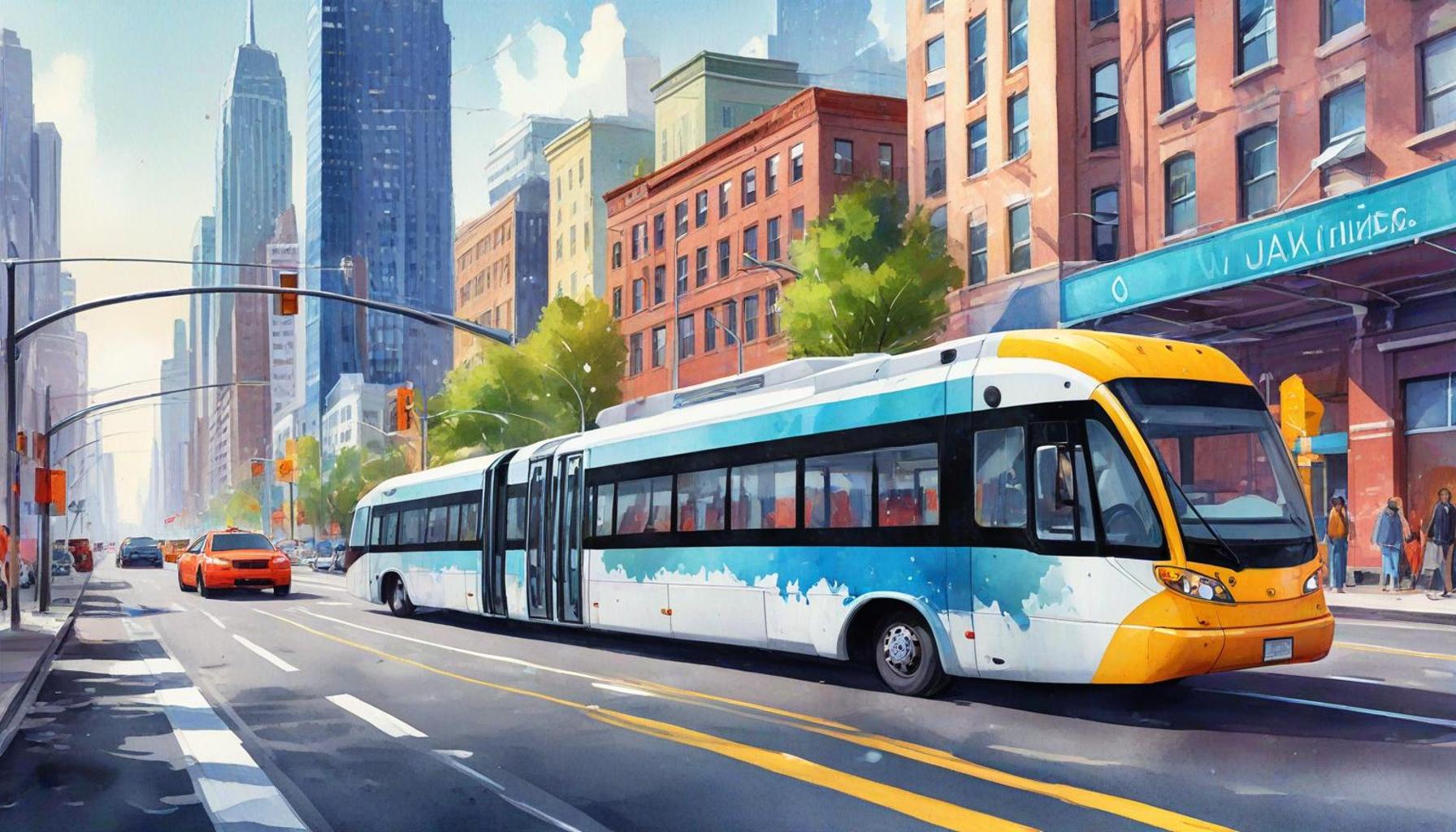
The arrival of autonomous vehicles (AVs) heralds a revolution not just in the way people move but also in the economic landscapes of urban centers across the United States. These innovative technologies carry profound implications, potentially reshaping the cost dynamics, urban infrastructure, and public transportation frameworks. As cities prepare for the integration of AVs, a comprehensive analysis of their impact is critical to harnessing their benefits while mitigating potential downsides.
Key Economic Implications
Central to the economic impact of AVs is their capacity to alter transportation cost structures. By dramatically lowering the operational costs associated with ride-sharing platforms and freight transportation, AVs can enhance economic efficiency. For ride-sharing services, AVs eliminate the necessity for driver salaries, reducing costs, which could trickle down to consumers through lower fares. Similarly, in freight logistics, automation can decrease labor expenses and increase delivery speed by enabling continuous vehicle operation without mandatory rest breaks.
However, these efficiencies pose potential risks, particularly regarding job displacement. It is estimated that millions of jobs in driving sectors such as trucking, taxi services, and delivery could be at risk. This underscores the necessity for strategic workforce development programs and economic policies to support transition toward new job opportunities created by AV technologies.
Impact on Cities
- Urban Structure: Autonomous vehicles offer an unprecedented opportunity to rethink urban land use. As AVs reduce the necessity for personal parking spaces and garages, valuable urban land can be repurposed for housing developments, parks, or commercial use, contributing to vibrant, livable communities.
- Traffic Flow: AVs promise to enhance traffic efficiency due to their capability for precise navigation and synchronized movement. This could significantly reduce traffic congestion, leading to shorter commute times and reduced emissions, ultimately improving urban air quality.
Public Transportation Dynamics
The integration of AVs in public transport systems promises to deliver more efficient, accessible, and flexible services. These vehicles can operate on demand, ensuring greater route flexibility and service coverage, particularly benefitting underserved areas. With AVs, public transport could achieve significant cost savings, potentially translating to reduced fares for users and fostering increased ridership.
- These vehicles can bolster transit reach, providing critical links in suburban and rural areas where traditional transit infrastructure is lacking.
- Operational and maintenance efficiencies with AVs can enable municipalities to redirect savings towards service improvements or expansions.
As AV technology continues to evolve, stakeholders must thoughtfully consider the economic implications, working to balance transformative potential with workforce impacts. Policymakers, urban planners, and business leaders must collaborate to ensure that the transition to AVs supports economic growth, urban livability, and equitable access to transportation.
Transformative Effects on Urban Economies and Employment
Autonomous vehicles (AVs) stand poised to introduce a substantial shift in urban economic frameworks, steering cities away from car-centric growth towards innovative mobility economies. This evolution has been accentuated by the potential of AV technology to optimize travel costs, reshape logistics, and redefine municipal budgets and urban planning.
One of the key economic benefits of integrating AVs into city plans is the potential to reduce public transportation expenses. Cities across the United States face substantial expenses in maintaining public transportation systems, with labor accounting for approximately 70% of these costs. By deploying autonomous technology, cities can significantly cut down on these labor expenses, potentially engaging in cost reallocation towards expansion of service networks, improving the quality of public amenities, or amplifying infrastructural investments.
Furthermore, AVs are likely to impact parking revenue, a critical component of urban finances. As the presence of personal vehicles decreases, so might the demand for parking. Cities experiencing this change would then need to adjust their financial dependency on parking revenues, perhaps shifting to alternative revenue models that tap into the newfound potential of land freed from parking obligations.
Job Market Fluctuations and Economic Growth
While the promise of AV technology offers solutions to urban economic issues, it concurrently brings the challenge of job market disruptions. Industries reliant on driving jobs are most vulnerable, with automation poised to replace repetitive driving tasks. This dynamic has the potential to displace workers in sectors ranging from public transit to delivery services, necessitating comprehensive policy frameworks for job retraining and sustainable workforce integration into new roles created by AV technology’s growth.
- Retraining Programs: Initiatives that match displaced auto drivers with new tech-centric roles, emphasizing skill development in line with the shifting industry trends.
- Investment in New Sectors: Redirecting investments towards emerging job markets catalyzed by AV infrastructure, including data analysis, vehicle maintenance specialists geared for autonomous systems, and urban planning for smart cities.
The ripple effects of AVs are also expected to foster economic growth in tech development sectors, creating new employment opportunities in engineering, software development, and cybersecurity. This could encourage a shift in economic centers towards job creation hubs tailored to tech-savvy professionals, providing a fresh impetus for economic expansion in cities eager to capitalize on the high-tech industry growth.
In conclusion, the transition to a cityscape dominated by AVs presents both opportunities and challenges. Preparing for this transformation demands an in-depth understanding of its economic implications, alongside proactive strategies to ensure economic resilience and a thriving urban growth trajectory.
Infrastructure Adaptation and Urban Innovation
As autonomous vehicles become more widespread, the transformation necessitates a comprehensive re-evaluation of urban infrastructure and urban innovation strategies. This adaptation is crucial for maximizing the benefits of AV technology, which has the potential to reshape the physical landscape of cities across the United States. Infrastructure planning must prioritize intelligent traffic management systems, advanced telecommunications networks, and updated roadways to support the seamless operation of autonomous networks.
Investment strategies will need to align with these new imperatives. For instance, smart infrastructure investments, such as smart traffic signals and dedicated AV lanes, can improve efficiency and safety, bolstering public confidence in the technology. According to a report from the American Road & Transportation Builders Association, investments in intelligent transportation systems can enhance existing road capacities by up to 30%, providing a significant return on investment. Furthermore, these upgrades can contribute to reducing urban congestion and environmental impact, aligning with broader sustainability goals.
Redefining Public Transit Systems
Another pivotal area influenced by the autonomous vehicle economy is the redefinition of public transit systems themselves. The traditional model of large, route-based transit vehicles serving fixed locations at set times may shift towards a more dynamic, demand-responsive network aided by AV technology. Autonomous shuttles can bridge gaps in service areas by providing flexible, on-demand rides that make public transportation more accessible and efficient.
- Improved Accessibility: AVs can extend the reach of public transport to underserved areas, expanding job access and economic mobility for residents in suburban and rural locales.
- Cost Efficiency: Reduced operational costs from AV fleets will make it feasible to offer more frequent service without a substantial increase in expenses, enhancing overall service quality.
A case study by the Boston Consulting Group suggests that shared autonomous fleets could reduce the number of cars in urban areas by 60% while still meeting transit needs. This level of optimization can significantly decrease carbon emissions and enhance the urban living environment by creating more pedestrian-friendly spaces.
Land Use and Real Estate Reimagining
The advent of AVs is also predicted to reform how cities approach land use and real estate development. With less dependency on parking infrastructures—historically occupying significant urban real estate—cities can repurpose these areas for residential, commercial, or recreational spaces, thereby catalyzing economic development and enhancing the urban experience.
The liberation of parking spaces enables opportunities for urban densification, potentially addressing housing shortages in metropolitan areas. Consider the statistics from the Urban Land Institute, which estimate that parking lots occupy about one-third of the urban land area in U.S. cities. Even a partial transformation of these areas into mixed-use developments can boost local economies and generate substantial municipal revenue.
Moreover, corporations investing in property development might find new avenues of profitability by altering urban layouts (e.g., reducing the emphasis on parking structures and emphasizing pedestrian-friendly zones) to accommodate this shift in transportation dynamics. These strategic shifts hold the potential to enhance property values, encourage retail development, and stimulate new forms of urban engagement as AVs become more deeply integrated into the city fabric.
Conclusion: Embracing the Autonomous Future
The integration of autonomous vehicles (AVs) into the urban fabric represents a transformative shift with significant economic and societal implications. As this technology advances, cities in the United States stand at the forefront of reaping substantial benefits, from enhanced public transportation systems to innovative urban planning and development.
Investments in smart infrastructure will serve as the backbone of this transformation, providing robust support for AV networks. By embracing these changes, cities can improve traffic management, mitigate congestion, and contribute to environmental sustainability. The shift toward demand-responsive public transit systems, supported by autonomous technology, promises increased accessibility and cost efficiency, which could reshape how commuters experience daily travel.
Furthermore, the reduction of traditional parking requirements offers a new dimension in urban planning, paving the way for efficient land use and potentially alleviating housing shortages. By transforming existing parking spaces into mixed-use developments, cities can spark economic growth and create vibrant, pedestrian-friendly environments.
While each city may face unique challenges in adopting AVs, the overarching benefits present a compelling case for forward-thinking policies and investments. Policymakers, urban planners, and the private sector must collaborate closely to ensure these technologies are integrated in a way that maximizes public good while addressing potential drawbacks. Ultimately, the rise of autonomous vehicles marks a pivotal opportunity for U.S. cities to redefine urban transportation and land use, positioning themselves as leaders in the global shift towards smarter, more sustainable urban living.