American Industrialization versus Globalization: Challenges of the 21st Century
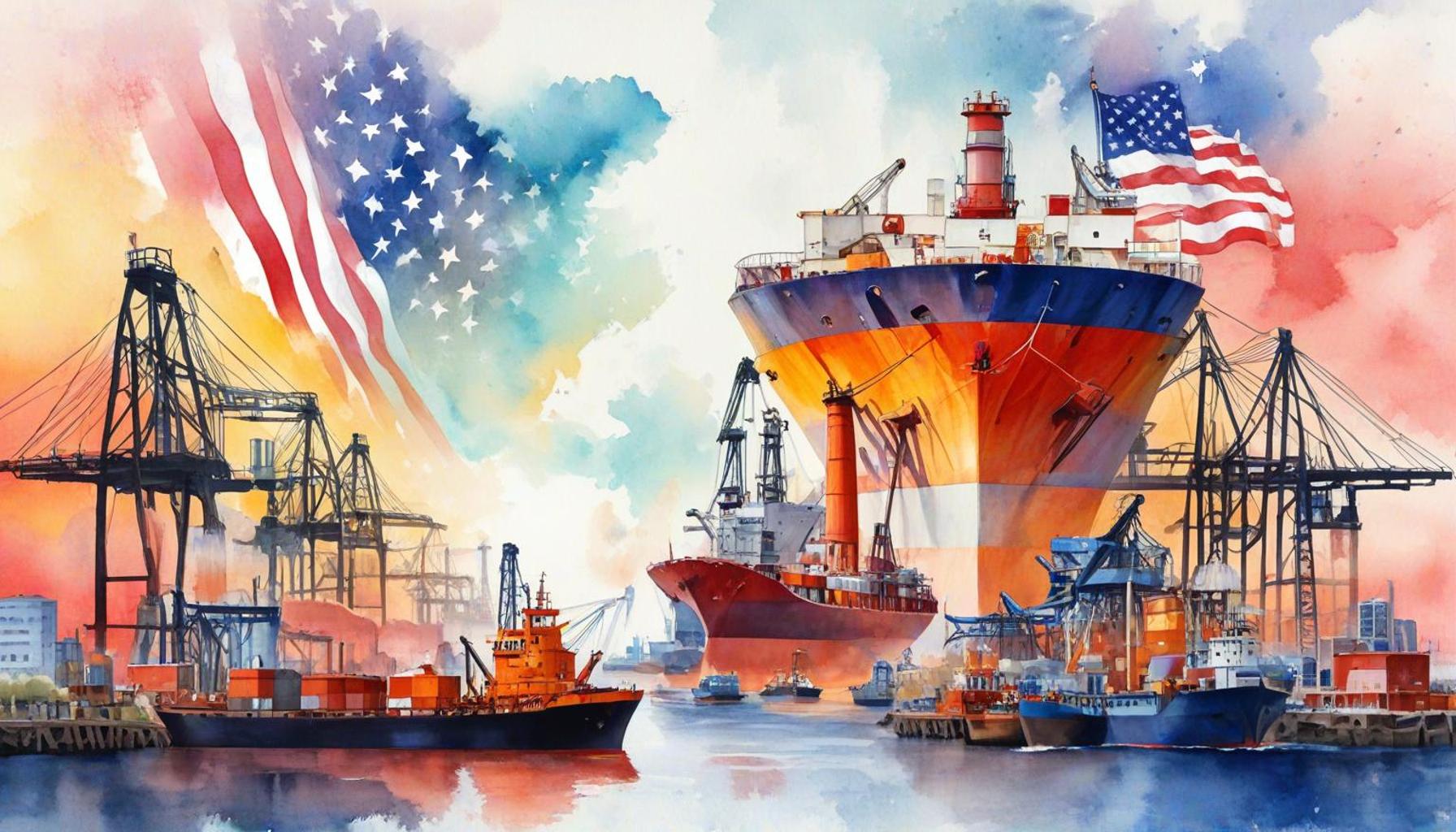
The Interconnection of Industrialization and Globalization
In the 21st century, the United States stands at the crossroads of industrialization and globalization, both of which significantly influence its economic policies and industrial strategies. The country remains a leader in innovation and manufacturing, yet encounters intense competition from burgeoning global markets that are reshaping traditional industries. Navigating this landscape necessitates strategic foresight and adaptability.
Key Challenges in the American Industrial Sector
The U.S. faces several formidable challenges in maintaining its competitive edge on the global stage. Firstly, there is the rapid advancement of global technologies. With developments such as the Internet of Things (IoT) and 5G technologies, nations around the world are racing to harness these innovations to gain a technological advantage. Not keeping pace could result in American industries lagging behind.
Additionally, the complex web of trade policies presents another layer of challenges. Policies must be navigated carefully to avoid adverse impacts on domestic manufacturing, requiring a balance between protectionist measures such as tariffs and fostering trade relations that are beneficial to the economy. This is crucial for sectors reliant on both exports and imports to optimize supply chains.
Furthermore, environmental concerns driven by global standards are reshaping manufacturing practices. As international agreements push for reduced carbon emissions and sustainable practices, U.S. industries must innovate to meet these challenges while remaining profitable.
Adapting to Global Trends
American firms must adopt multifaceted strategies to adapt to the evolving landscape, focusing on innovative technology, efficient supply chains, and a skilled workforce. Leveraging technologies such as automation and artificial intelligence not only enhances productivity but also alters traditional job markets, which requires workforce retraining and upskilling. This is evident in sectors such as automotive manufacturing, where AI and robotics are transforming assembly lines.
The rise of developing markets such as China and India has intensified competition in manufacturing. Companies in these regions benefit from lower labor costs and increasing technological capabilities, challenging American firms to develop more sophisticated products and services. American industrial giants are responding by investing in high-tech production methods and reinforcing international partnerships.
Trade policies, including tariffs on imports, are a contentious topic as they significantly impact the balance of exports and imports. For example, steel and aluminum tariffs have been a major point of discussion, reflecting broader concerns about trade imbalances with countries like China. These policies must be adeptly managed to protect U.S. industries while ensuring they remain globally competitive.
Strategic Decision-Making for Sustainable Growth
Understanding these challenges is critical for policymakers, business leaders, and workers. The strategic decisions made today will shape the U.S.’s industrial future and define its role in a highly interconnected global economy. Continuous evaluation of the industrialization-globalization dynamic, coupled with thoughtful responses, will be necessary to ensure sustainable economic growth and maintain America’s position as a leader on the global stage.
SEE ALSO: Click here to read another article
Technological Innovation and Economic Competitiveness
The juxtaposition of American industrialization and globalization highlights the necessity for the United States to harness technological innovation effectively. In recent years, technological advancements have accelerated at an unprecedented pace, necessitating swift adaptation by U.S. industries. Technological innovation not only fosters economic growth but is also vital for maintaining competitiveness in the global marketplace. However, this comes with its own set of challenges that the American industrial sector must address.
Firstly, the integration of emerging technologies such as artificial intelligence, machine learning, and robotics into existing industrial frameworks is crucial. These technologies are transforming traditional manufacturing processes and driving efficiencies across various sectors. For instance, American companies need to invest in research and development to utilize these technologies for creating smarter manufacturing systems that can produce goods at a reduced cost and increased speed. This is especially pertinent as countries such as Germany and Japan are heavily investing in their own digital manufacturing capabilities.
- Investment in R&D: It is imperative for the U.S. to increase its investments in research and development to fuel innovation and maintain technological leadership. This can be achieved through public-private partnerships and increased funding for technological initiatives.
- Enhancing Workforce Skills: The rapid technological advancements necessitate a workforce that is skilled in handling new technologies. To address this, there is a need for comprehensive educational programs that emphasize STEM (Science, Technology, Engineering, and Mathematics) education and vocational training.
- Fostering Collaboration: Collaboration between industry, government, and academia can drive technological advancements by pooling resources and expertise. The creation of innovation hubs can serve as breeding grounds for new ideas and industrial growth.
Moreover, the digital economy and globalization have reshaped what competitive advantage means. American industries must reinvent themselves by moving towards sustainable manufacturing processes to align with global industrial trends. This reinvention entails not only technology adoption but also conceptual shifts towards sustainability and resource efficiency. Competing on a global scale requires American companies to adopt an integrated approach that balances profitability with social and environmental responsibilities.
The stakes are high, and the choices made by American industries regarding technological adoption will determine their future trajectory. Embracing these technologies strategically allows industries to capitalize on new opportunities, minimize risks, and secure a foothold in tomorrow’s competitive landscape. As these technological paradigms become embedded in industrial practices, the impacts extend beyond productivity—shaping economic policies, labor markets, and ultimately, the nation’s global standing.
SEE ALSO: Click here to read another article
Global Supply Chains and Trade Dynamics
The interplay between American industrialization and globalization is further complicated by the intricacies of global supply chains. As American industries aim to maintain their competitive edge, understanding and efficiently managing these supply chains becomes paramount. Globalization has led to the interconnectivity of markets and the international division of labor, making supply chains more complex and dynamic.
One of the critical challenges that American industries face is the dependency on international suppliers for critical components. This was starkly highlighted during recent global disruptions such as the COVID-19 pandemic, which saw widespread logistical challenges and manufacturing delays due to supply chain dependencies. Resilience and redundancy in supply chains are now essential components of industrial strategy. American companies are re-evaluating their reliance on foreign suppliers and are increasingly looking at reshoring and nearshoring to mitigate risks.
- Reshoring Initiatives: Reshoring involves bringing back manufacturing activities to the United States from overseas. This not only reduces dependency on international supply chains but also fosters local job creation and economic growth. Recent initiatives have demonstrated a marked increase in such movements, with incentives to encourage companies to transition back to domestic production.
- Supply Chain Diversification: Diversifying suppliers and creating multiple sourcing options can help American industries weather global disruptions. Establishing a diversified supplier base ensures that production does not rely solely on one region or country, minimizing the impact of geopolitical tensions and trade disputes.
- Adoption of Supply Chain Technologies: The implementation of advanced technologies like blockchain, IoT, and big data analytics can increase transparency and traceability across the entire supply chain. These technologies provide real-time insights into supply chain operations, enabling proactive risk management and decision-making.
The evolving nature of trade regulations and policies also impacts American industrial competitiveness. As international agreements and tariffs fluctuate, industries need to remain agile and informed. Potential protectionist trade policies could provide opportunities for local manufacturers but may also lead to retaliatory measures affecting American exports. It is imperative for industries to stay engaged with policy developments to strategically adapt their operations in response to changing trade environments.
Furthermore, the movement towards environmental sustainability in global industrial practices is reshaping trade dynamics. Increasingly, consumers and business partners are demanding eco-friendly practices and products. American industries must anticipate and adjust to these demands by integrating sustainability into their supply chain strategies. This involves not only minimizing environmental impacts but also optimizing resource efficiency to remain competitive on a global scale.
The intertwined factors of supply chain management, trade policy, and sustainability present both challenges and opportunities for American industrialization. Navigating these components requires a coherent strategy that aligns domestic industrial goals with global economic realities. By fostering adaptable and resilient industrial frameworks, the U.S. can better position itself in the competitive global landscape of the 21st century.
SEE ALSO: Click here to read another article
Conclusion: Balancing Industrialization and Globalization
In the 21st century, the challenges posed by the intricate balance between American industrialization and globalization demand strategic foresight and adaptability. As American industries work to maintain their global competitiveness, they must navigate an increasingly interconnected world marked by complex supply chains, fluctuating trade policies, and growing demands for sustainability.
Reshoring initiatives and supply chain diversification are pivotal strategies to mitigate dependency on international suppliers, thereby enhancing resilience against disruptions. By fostering local production and crafting a diversified supplier network, American industries can better withstand global uncertainties while fueling domestic economic growth and job creation.
The embrace of innovative technologies across supply chains underscores a critical approach for real-time risk management and operational transparency. Technologies like blockchain and IoT offer industries the insight required to make informed decisions in a rapidly changing economic landscape. By integrating such cutting-edge advancements, American industrial sectors can adeptly react to both immediate disruptions and long-term strategic shifts.
Moreover, the growing focus on environmental sustainability is reshaping manufacturing and trade practices globally. Industries in the United States must align with these emerging expectations by committing to sustainable practices that not only reduce environmental impact but also enhance competitiveness.
Ultimately, the success of American industrialization within a globalized economy will hinge on the ability to harmonize domestic strategies with international realities. By crafting a resilient infrastructure that emphasizes innovation, sustainability, and local economic strengthening, the U.S. stands poised to thrive in a 21st-century world characterized by both opportunity and challenge.