Credit Cards and Cryptocurrencies: The New Frontier of Financial Transactions

Understanding the Financial Transformation
The way we manage, spend, and transfer money is shifting dramatically. Traditional financial systems are meeting cutting-edge technologies, resulting in the emergence of diverse payment methods that cater to various consumer needs. Among these are credit cards and cryptocurrencies, two powerful tools reshaping how money flows in everyday transactions and investments.
Convenience of Credit Cards
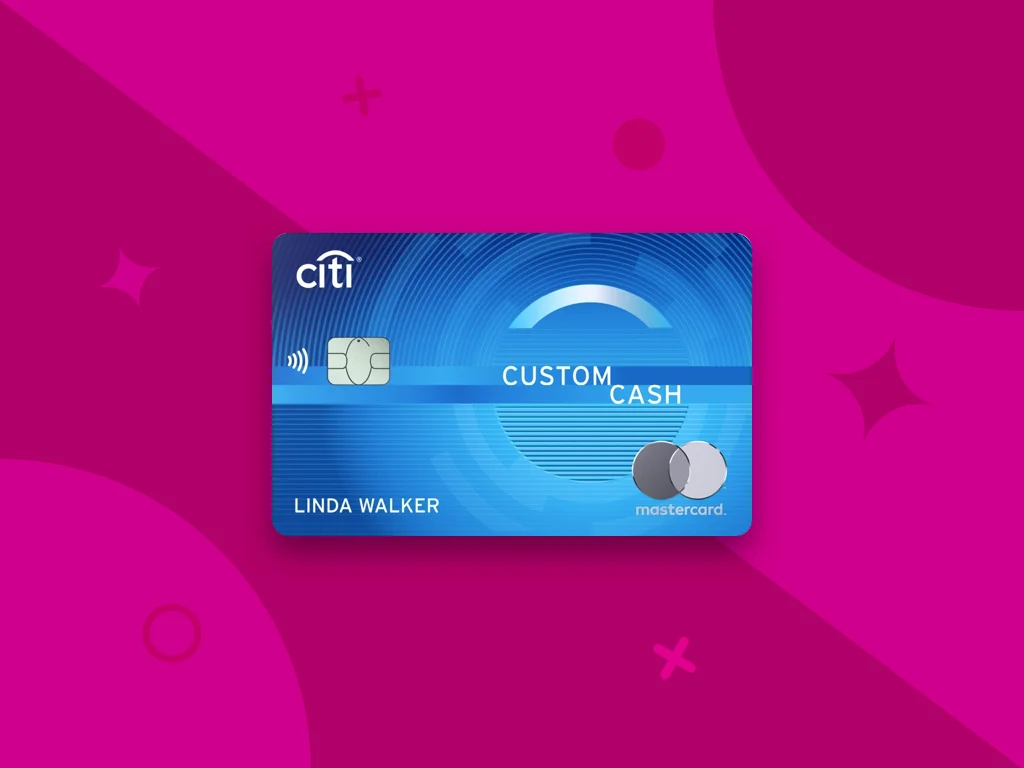
Credit cards have long been a staple of personal finance in the United States. Their convenience is undeniable. Imagine walking into a store and being able to make a purchase instantly without carrying cash. Credit cards empower consumers with immediate purchasing power, allowing them to buy necessities or indulge in desires comfortably. Many credit cards also come with rewards programs that offer cash back, points for travel, or discounts on future purchases, effectively providing bonuses for spending that you were likely to do anyway.
Advantages of Cryptocurrencies
On the other hand, cryptocurrencies like Bitcoin and Ethereum have emerged as alternatives to traditional currencies. One of the fundamental principles of cryptocurrencies is decentralization; they are designed to operate independently of central banks and financial institutions. This can appeal to those who value financial autonomy and wish to be less reliant on traditional banking systems.
Security is another significant advantage of cryptocurrencies. Many use blockchain technology, which employs robust encryption methods to secure transactions. This means that your digital currency transactions can be safer than some traditional financial methods, reducing the risk of fraud.
Adoption of Hybrid Payment Methods
As technology progresses, many consumers in the U.S. are adopting a hybrid payment approach. This involves using both credit cards and cryptocurrencies to manage their finances effectively. For everyday purchases, an increasing number of merchants accept cryptocurrencies, making it possible to pay for your morning coffee with Bitcoin or settle your dinner bill with Ethereum.
Moreover, cryptocurrencies offer enticing investment opportunities for individuals looking to grow their wealth. The volatility of cryptocurrency markets provides opportunities for high returns, although it also carries significant risks. It’s essential to approach these investments carefully and consider diversification—keeping both digital assets and traditional investments in your portfolio.
When it comes to instant transfers, cryptocurrencies can be a game changer, particularly for international transactions. Sending money across borders can often be cumbersome and expensive, involving multiple banks and lengthy processing times. Cryptocurrencies provide a quicker, often cheaper alternative, making it easier for individuals and businesses to operate globally.
In summary, understanding the advantages of credit cards and cryptocurrencies is essential for navigating the evolving financial landscape. Both have their unique benefits and can work harmoniously to enhance your financial experience. By exploring these tools, you can make informed decisions that align with your financial habits and goals.
The Pros and Cons of Each Payment Method
As consumers navigate the modern financial landscape, it’s crucial to evaluate the advantages and disadvantages of various payment methods, notably credit cards and cryptocurrencies. Each of these financial tools has unique traits designed to cater to different spending habits and financial goals. Understanding these characteristics can profoundly influence your financial decisions and strategies.
Credit Cards: The Perks and Pitfalls
Credit cards have become synonymous with convenience in the American consumer landscape. When used wisely, they can significantly enhance your shopping experience. However, as with any financial product, there are pitfalls that need careful consideration:
- Interest Rates: One of the most significant downsides of credit cards is their steep interest rates. For individuals who carry a balance, the annual percentage rates (APRs) can soar beyond 20%, leading to costly debt accumulation. For instance, if you only pay the minimum amount due each month, it can take years to pay off your balance, costing you hundreds or even thousands of dollars in interest.
- Spending Discipline: The allure of immediate purchasing power can sometimes tempt consumers to overspend. For example, a person may rely on their credit card during a shopping spree, forgetting to consider their monthly budget. This behavior can lead to a cycle of debt that is hard to break.
- Fees: Credit cards can come loaded with various fees, including annual fees, late payment penalties, and foreign transaction fees. A credit card with a $100 annual fee and a few missed payments can quickly become an expensive liability.
Despite these constraints, credit cards remain popular for their rewards programs, such as cash back or travel points, which can benefit savvy consumers who pay off their balances regularly. Additionally, they provide a financial safety net in emergencies, allowing users to manage unexpected expenses without disrupting their cash flow.
Cryptocurrencies: The New Age of Financial Freedom
The rise of cryptocurrencies represents a fascinating shift in the financial realm. With innovations like Bitcoin and Ethereum, users are starting to embrace digital currencies for purchases, savings, and investments. Nevertheless, this emerging payment method presents several challenges:
- Volatility: Cryptocurrencies are notorious for their price swings. To illustrate, Bitcoin hit an all-time high of over $60,000 in April 2021, only to plummet to below $30,000 a few months later. For investors, this volatility can be a double-edged sword—while there is potential for high returns, there is also the risk of substantial losses.
- Limited Acceptance: Although more merchants are beginning to accept cryptocurrencies, the number is still far lower than those that accept traditional credit cards. This can create frustration for consumers who wish to use digital currencies for everyday purchases, as they may find themselves unable to use their digital assets where they shop.
- Regulatory Concerns: As governments across the globe work to regulate cryptocurrencies, there is uncertainty concerning their future. Changes in regulations could affect how, when, and where you can use cryptocurrencies, as well as their overall legitimacy and value in the market.
Incorporating credit cards and cryptocurrencies into your financial strategy depends on your personal goals and risk tolerance. For some, the immediate benefits and safety nets offered by credit cards may be critical, while others might prefer the long-term investment potential and independence that cryptocurrencies provide.
By thoroughly analyzing the pros and cons of each payment method, you can approach financial transactions with clarity. This understanding can empower you as you navigate the evolving landscape of digital finance, ensuring your choices align with your lifestyle and financial aspirations.
Navigating the Future: Best Practices for Credit Card and Cryptocurrency Users
As digital finance continues to evolve, it’s essential for consumers to adapt to the best practices that can enhance their security and maximize their benefits when using credit cards and cryptocurrencies. In today’s fast-paced world, understanding how to optimize these financial tools is not only wise but necessary for protecting oneself and making informed decisions.
Maximizing Benefits with Credit Cards
To effectively leverage credit cards, it’s important to cultivate responsible spending habits while maximizing the rewards they offer:
- Pay Off Balances Monthly: Always aim to pay off your credit card balances in full each month to avoid incurring interest charges. This habit helps you maintain a healthy credit score and saves money on interest payments. Additionally, consider setting up automatic payments to ensure you never miss a due date.
- Utilize Rewards Wisely: Many credit cards offer rewards programs that provide cash back or points for purchases. Choose a card that aligns with your spending habits. For instance, if you frequently dine out, a card that offers extra points for restaurant purchases could yield significant rewards over time.
- Monitor Your Credit Score: Regularly check your credit report to identify any inaccuracies and understand factors affecting your credit score. Maintaining a good credit score is essential not only for qualifying for better credit card rates but also for larger loans like mortgages.
Embracing Cryptocurrencies Safely
When it comes to navigating the world of cryptocurrencies, safety and knowledge are paramount. Here are practices to consider:
- Use Secure Wallets: Store your cryptocurrencies in a reputable and secure wallet. Hardware wallets, such as Ledger or Trezor, offer enhanced security compared to online wallets or exchanges, protecting your investment from potential hacks.
- Educate Yourself: Stay informed about the cryptocurrency market, relevant technologies, and evolving regulations. Understanding the fundamentals, including how blockchain technology works, can provide valuable insights that contribute to more informed trading and investment decisions.
- Diversify Your Portfolio: Just as with traditional investments, diversifying your cryptocurrency holdings can spread risk and potentially increase returns. Avoid investing all your funds in a single asset and consider exploring various cryptocurrencies to mitigate potential losses.
The Intersection of Credit Cards and Cryptocurrencies
Notably, the financial landscape is beginning to see a blending of traditional credit card usage with cryptocurrencies. Some financial institutions are launching crypto-backed credit cards, which allow users to spend their cryptocurrencies as if they were using a traditional credit card:
- Crypto Rewards Programs: These new cards often offer rewards in the form of cryptocurrency, allowing users to earn digital assets with their everyday spending. For instance, a card that gives back 1.5% in Bitcoin can incentivize users to adopt cryptocurrencies without radically changing their spending habits.
- Instant Conversion: Many crypto credit cards automatically convert your cryptocurrency into fiat currency at the moment of transaction. This feature provides the advantage of using your digital assets seamlessly while making purchases at mainstream retailers.
- Global Acceptance: Using crypto credit cards can maximize the use of digital currencies, allowing them to be spent anywhere credit cards are accepted, effectively increasing the utility of cryptocurrencies in everyday transactions.
As consumers, the choices between credit cards and cryptocurrencies, or even the combination of both, ultimately depend on understanding the benefits and risks associated with each method. With careful consideration and adherence to best practices, individuals can navigate this new frontier of financial transactions with confidence and strategic insight.
Conclusion: Embracing the Future of Financial Transactions
As we move forward in the digital age, the integration of credit cards and cryptocurrencies presents exciting opportunities and challenges for consumers. Both financial tools offer unique advantages, from the familiar rewards of credit cards to the innovative functionalities of cryptocurrencies. However, navigating this new frontier requires a thoughtful approach.
To responsibly harness the benefits of both credit cards and digital currencies, consumers must prioritize education and security. Understanding the mechanics of these financial instruments, such as the implications of credit scores and the risks associated with cryptocurrency investments, is vital. By adopting best practices, like maintaining a balanced spending strategy and safeguarding digital assets, individuals can enhance their financial well-being.
Moreover, as financial institutions continue to develop crypto-backed credit cards and seamless integration of digital currencies, consumers will find themselves with more versatile payment options than ever before. Embracing this evolution can lead to a more rewarding and secure financial future.
Ultimately, the key lies in striking a balance between traditional finance and emerging technologies. By taking calculated risks and staying informed, individuals can confidently navigate the exciting intersection of credit cards and cryptocurrencies, unlocking a new realm of possibilities in financial transactions.

Linda Carter
Linda Carter is a writer and expert known for producing clear, engaging, and easy-to-understand content. With extensive experience in guiding people as they pursue their goals, she shares valuable insights and practical advice. Her mission is to help readers make informed choices and achieve meaningful progress.