
Consumption Trends and Their Implications for the Local Economy
Understanding Consumption Trends
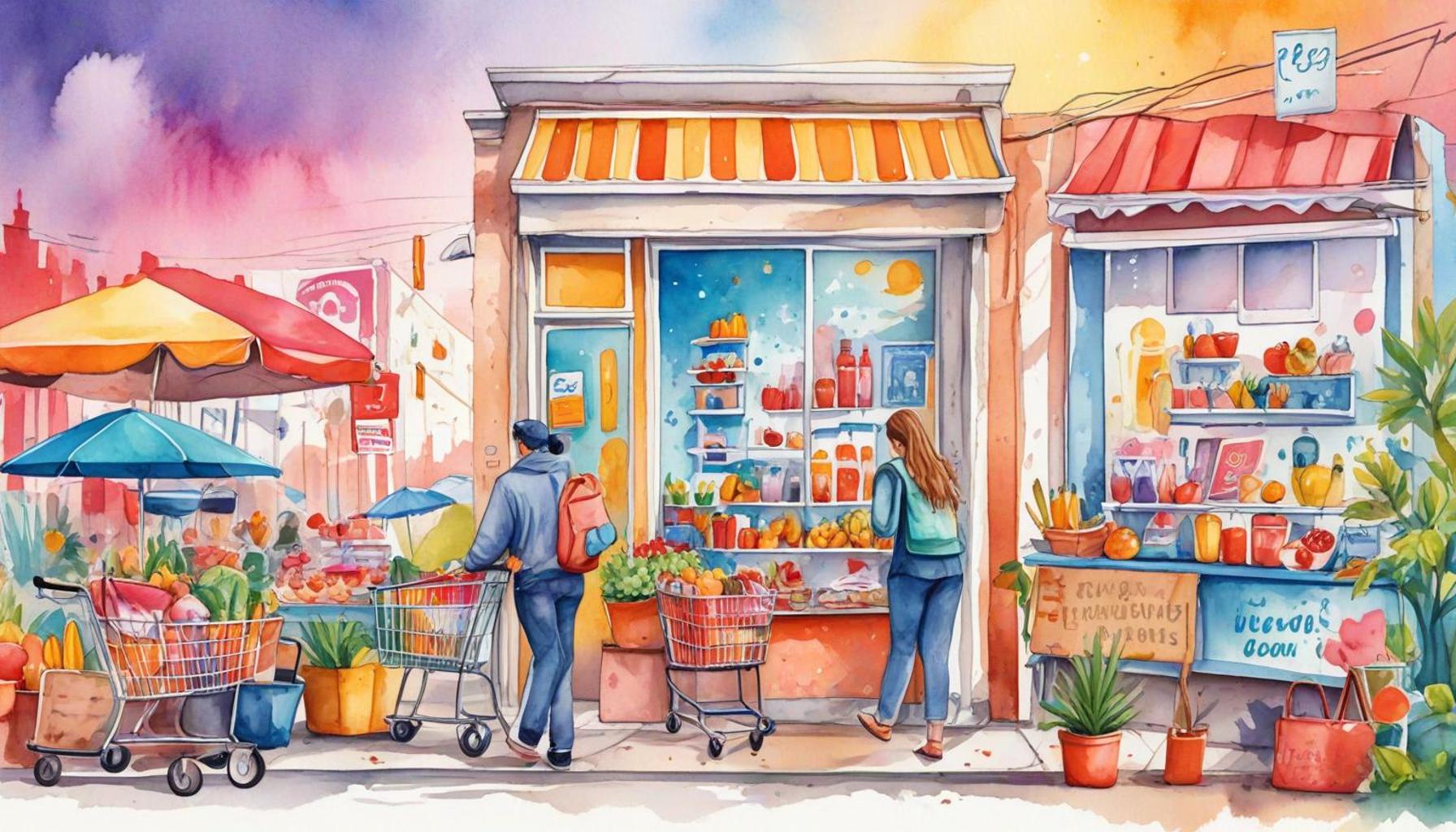
In today’s rapidly changing economy, consumer behavior plays a pivotal role in shaping local markets. As trends evolve, it’s essential to grasp how they affect regional spending and investment. Consumers are becoming more discerning, making purchasing decisions influenced not only by price but also by values such as sustainability, health, and community support.
Key consumption trends to consider include:
- Shift to Online Shopping: Many consumers are favoring e-commerce platforms over traditional stores. This trend accelerated significantly during the COVID-19 pandemic, as people sought convenience and safety. According to a report by the U.S. Census Bureau, e-commerce sales in 2021 rose by over 14% compared to the previous year. Companies adapted through improved logistics and user-friendly websites, leading to the flourishing of giants like Amazon and smaller niche retailers.
- Health and Wellness Focus: There is an increased demand for organic products and fitness services, which reflects a growing emphasis on health. Consumers are prioritizing their well-being by purchasing organic foods, supplements, and fitness classes. For instance, the organic food market has seen tremendous growth, with sales projected to reach a staggering $100 billion in the U.S. alone by 2025. Local gyms and wellness centers are also innovating, offering virtual classes to cater to this trend.
- Local Sourcing: A rising preference for locally produced goods can bolster small businesses. Consumers are increasingly aware of the environmental impact of their purchases and are inclined to support local farmers and artisans. This not only aids the economy but also fosters community bonds. Farmers’ markets and local food cooperatives are great examples of how individuals seek to connect with their food sources while supporting their neighborhoods.
Each of these trends significantly impacts the local economy. Understanding these dynamics can help entrepreneurs and policymakers adapt and thrive. For instance, the shift towards online shopping has prompted local retailers to enhance their digital presence to compete effectively.
By examining consumption patterns, we can uncover both challenges and opportunities for local businesses. For instance, shifts in consumer priorities might lead to:
- Changes in Employment: As businesses adapt, the types of jobs available may evolve. For example, a rise in e-commerce might increase demand for logistics and delivery jobs while decreasing the need for cashiers in physical stores.
- Market Competition: New businesses may emerge to cater to changing consumer preferences, such as health food cafes or environmentally conscious product lines. These new ventures can invigorate local economies, attracting more visitors and stimulating spending.
- Investment Opportunities: Innovative products and services can attract investment in the local economy. For instance, a surge in interest for eco-friendly goods could lead investors to fund startups focused on sustainable practices, which not only provides financial returns but also contributes positively to the community’s environment.
Exploring these implications not only benefits businesses but also enhances community resilience and growth. Understanding consumption trends allows communities to adapt and embrace change, ensuring that local economies remain robust and dynamic. This article will delve into the ways consumption trends shape economic landscapes at the local level, offering insights and strategies for navigating this evolving landscape.
Impact of Shifting Consumer Preferences on Local Economies
As consumers navigate through a landscape of evolving preferences, it’s crucial to analyze how these shifts impact the local economy. Understanding these changes can empower businesses and local governments to adapt and innovate in response to consumer demands. Let’s explore some notable implications that arise from current consumption trends.
Transforming Job Landscape
The emergence of new consumption trends inevitably leads to shifts in the job market. As businesses refocus their efforts to meet changing demands, the types of available employment opportunities will also transform. For example, the rise in online shopping has spurred higher demand for roles in logistics, warehousing, and delivery services. According to a report by the Bureau of Labor Statistics, the logistics and shipping sector is projected to grow significantly in the coming years, highlighting a shift towards more technical and service-oriented jobs. In contrast, traditional retail roles, especially those in physical stores, may decline as businesses increasingly automate processes and focus on e-commerce.
Diverse Market Competition
Another significant outcome of shifting consumption preferences is the entry of new businesses into the local market. Entrepreneurs are quick to identify gaps created by changing consumer interests—leading to a more diverse marketplace. For instance, the trend toward health-conscious eating has led to a proliferation of health food cafes, organic juice bars, and specialty fitness studios. These new establishments not only respond to consumer demand but also stimulate local economies by attracting visitors and generating additional spending.
Furthermore, with consumers showing a preference for unique, locally made products, we observe a surge in artisanal businesses and craft markets. This cultural shift fosters a sense of community, as both residents and tourists engage with local artisans, supporting the economy while forming a deeper connection to their region.
Investment in Innovative Solutions
As consumption trends shift, investment opportunities also arise for local economies. Businesses that innovate to meet changing consumer demands may attract investors looking for opportunities with a social and environmental impact. For example, the increasing emphasis on sustainability and eco-friendly products has led to investments in startups that focus on sustainable fashion, renewable energy, or zero-waste packaging. These initiatives not only promise potential financial returns for investors but also contribute positively to local communities by enhancing environmental efforts and creating new jobs in emerging sectors.
By recognizing and embracing these consumption trends, local economies can foster resilience and sustainability. When consumers prioritizing their values reflects in spending habits, it’s essential for businesses to adapt accordingly. Identifying and addressing these shifts can strengthen community ties, promote economic growth, and create a vibrant marketplace that serves both residents and visitors.
Enhancing Community Engagement through Consumption Trends
As consumption trends evolve, they also foster greater community engagement among local consumers and businesses. The way people shop and consume products today reflects a growing desire for connection and commitment to their neighborhoods. This shift has several implications for local economies, as businesses and community organizations leverage consumer interests to strengthen ties and build brand loyalty.
Promotion of Local Events and Initiatives
The increasing interest in local products and experiences has led to a surge in community events, such as farmers’ markets, craft fairs, and food festivals. These gatherings not only promote local goods but also encourage community members to connect, interact, and support one another. For instance, cities across the United States regularly host local food festivals that highlight regional cuisine and locally sourced ingredients. By doing so, they not only celebrate the area’s culinary heritage but also stimulate economic activity, as local vendors gain visibility and new customers.
Moreover, businesses are increasingly sponsoring or participating in community events, recognizing the dual benefit of building brand reputation while supporting their local economy. For instance, a local coffee shop might host monthly open mic nights, where local artists showcase their talents. This not only attracts a crowd to the establishment but also nurtures a sense of belonging within the community.
Integration of Technology in Consumer Engagement
Another critical aspect of modern consumption trends is the integration of technology to enhance consumer engagement. As more individuals turn to online shopping and social media for information and purchasing decisions, businesses are adapting by investing in digital marketing and e-commerce platforms. This technology-driven approach allows local enterprises to reach a broader audience, fostering community loyalty while promoting local culture.
For instance, small businesses in urban areas are utilizing social media to create interactive campaigns that highlight their stories and experiences. These campaigns often encourage consumers to support local businesses by showcasing unique offerings, local sourcing practices, or behind-the-scenes looks at daily operations. This direct engagement not only strengthens connections between consumers and businesses but also cultivates a culture of local pride and responsibility.
Focus on Sustainability and Ethical Consumption
The growing emphasis on sustainability and ethical consumption is profoundly shaping local economies. As consumers increasingly prioritize ethical sourcing and environmentally friendly practices, local businesses are adapting by redesigning their offerings to align with these values. From eco-friendly packaging to sustainable production processes, businesses that embrace these principles often capture the attention of consumers who are willing to pay a premium for products that align with their values.
For example, local clothing brands that utilize organic materials or support fair-trade practices not only attract ethically minded consumers but also create jobs that focus on sustainability and responsible manufacturing. This shift not only benefits the environment but also enhances local economic resilience by fostering enterprises that are adaptable to changing consumer preferences.
Thus, as the demand for sustainability grows, it becomes vital for local businesses to rethink their strategies and approaches. By aligning with consumer values, they can not only secure a loyal customer base but also contribute to a sustainable economic future.
Conclusion
In conclusion, the landscape of consumption trends is not just a reflection of changing consumer preferences; it is also a driving force that can significantly influence the local economy. The increasing affinity for local products, the rise of community engagement through events, and the integration of technology in consumer interactions all emphasize a profound shift towards sustainability and ethical consumption. This shift is not merely a trend but a necessary evolution in how we approach commerce and community.
As consumers demand more from local businesses—seeking not only quality and uniqueness but also a commitment to environmental sustainability and community support—businesses that adapt will thrive. Events that foster connection, such as farmers’ markets and local festivals, not only enrich community spirit but also stimulate economic growth by creating opportunities for small enterprises. Likewise, the strategic use of technology enables these businesses to extend their reach while building a loyal customer base that champions local initiatives.
Ultimately, embracing these consumption trends offers local businesses a pathway to not only survive but to truly flourish. By aligning with consumer values and prioritizing community engagement, they can foster resilient economies that support long-term sustainability. As we continue to navigate this evolving landscape, it is crucial that both consumers and businesses recognize their roles in shaping a future where local economies thrive in harmony with their communities.